


Why Your AC Freezes Up and What You Can Do About It
When your air conditioner freezes up, it may seem like a strange problem, especially during warmer months when the system is supposed to be cooling your home. Ice buildup on your AC is a clear sign that something isn’t f
When your air conditioner freezes up, it may seem like a strange problem, especially during warmer months when the system is supposed to be cooling your home. Ice buildup on your AC is a clear sign that something isn’t functioning properly. At Eatonville Heating & Cooling, we help homeowners diagnose the cause of frozen systems and restore proper operation before more serious damage occurs.
A frozen AC unit doesn’t just reduce performance. If left unaddressed, it can lead to costly repairs and even complete system failure. Understanding why this happens and what steps to take can help you avoid bigger issues.
What Causes an Air Conditioner to Freeze
Your air conditioner relies on proper airflow and heat transfer to function correctly. When something disrupts this balance, the temperature of the evaporator coil can drop too low, causing moisture in the air to freeze on contact.
One of the most common causes is restricted airflow. When there isn’t enough warm air moving across the evaporator coil, the coil becomes too cold and begins to freeze.
Low refrigerant levels can also lead to freezing. When refrigerant is insufficient, pressure inside the system drops, which lowers the temperature of the coil and allows ice to form.
Other contributing factors include:
• Dirty or clogged air filters
• Blocked or closed vents
• Collapsed or leaking ductwork
• Malfunctioning blower fans
• Dirty evaporator coils
Each of these issues interferes with normal operation and can trigger ice buildup on your system.
Signs Your AC Is Freezing Up
In many cases, the signs of a frozen air conditioner are easy to spot. Visible ice on the indoor unit, refrigerant lines, or outdoor condenser is the most obvious indicator.
You may also notice a sudden drop in cooling performance. As ice forms on the coil, it prevents your system from absorbing heat effectively, which leads to warmer air coming from your vents.
Other warning signs include:
• Reduced airflow from vents
• Water pooling around the indoor unit as ice melts
• Unusual noises when the system is running
• Longer cooling cycles with little improvement in temperature
Recognizing these symptoms early can help you take action before the problem worsens.
What to Do If Your AC Freezes
If you suspect your air conditioner has frozen, the first step is to turn off the system. Continuing to run it while frozen can cause additional damage to internal components.
After shutting it down, allow the ice to thaw completely. This process may take several hours depending on the extent of the buildup. Running the fan without cooling can help speed up the thawing process.
Once the system has thawed, check your air filter. If it’s dirty, replace it and ensure that vents throughout your home are open and unobstructed.
While these steps may resolve minor airflow issues, more serious problems such as refrigerant leaks or component failures will require professional service.
Why You Should Avoid Ignoring the Problem
A frozen AC unit is not something that will fix itself. Ignoring the issue can lead to more severe damage, including compressor failure, which is one of the most expensive repairs in an air conditioning system.
Repeated freezing can also weaken system components over time. Ice expansion puts stress on coils and other parts, increasing the likelihood of cracks or leaks.
In addition to mechanical damage, a frozen system is highly inefficient. It consumes more energy while delivering less cooling, which can quickly drive up your utility bills.
Preventing Your AC From Freezing
Preventative maintenance is the most effective way to avoid freezing issues. Regular inspections help ensure that airflow is unobstructed and that all components are functioning properly.
Simple steps you can take include:
• Replacing air filters regularly
• Keeping vents and registers clear
• Scheduling annual maintenance
• Ensuring the outdoor unit is free of debris
These actions help maintain proper airflow and system balance, reducing the risk of freezing.
When to Call a Professional
If your system continues to freeze after basic troubleshooting, it’s time to call a professional. Issues such as refrigerant leaks, faulty blower motors, or dirty coils require specialized tools and expertise to address safely.
At Eatonville Heating & Cooling, we provide thorough diagnostics to identify the exact cause of freezing problems. Our team focuses on resolving the issue efficiently while helping prevent future occurrences.
Addressing a frozen AC system quickly not only restores comfort but also protects your equipment from further damage. Taking action early can save you time, money, and frustration while keeping your home cool and comfortable.
Recent Posts
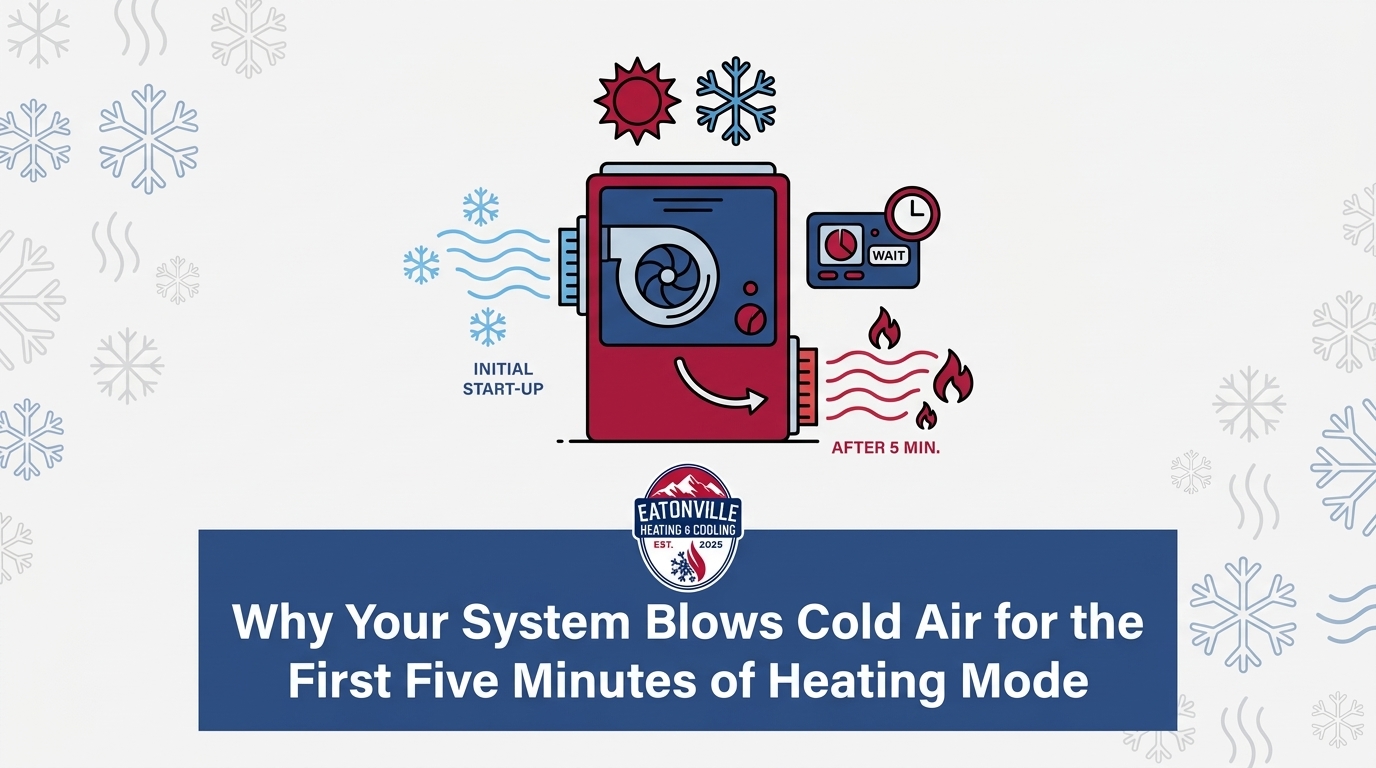
Why Your System Blows Cold Air for the First Five Minutes of Heating Mode
Turning on your furnace on a chilly fall morning only to feel a freezing breeze is stressful. Find out if that initial blast of cold air is normal or a sign of trouble.
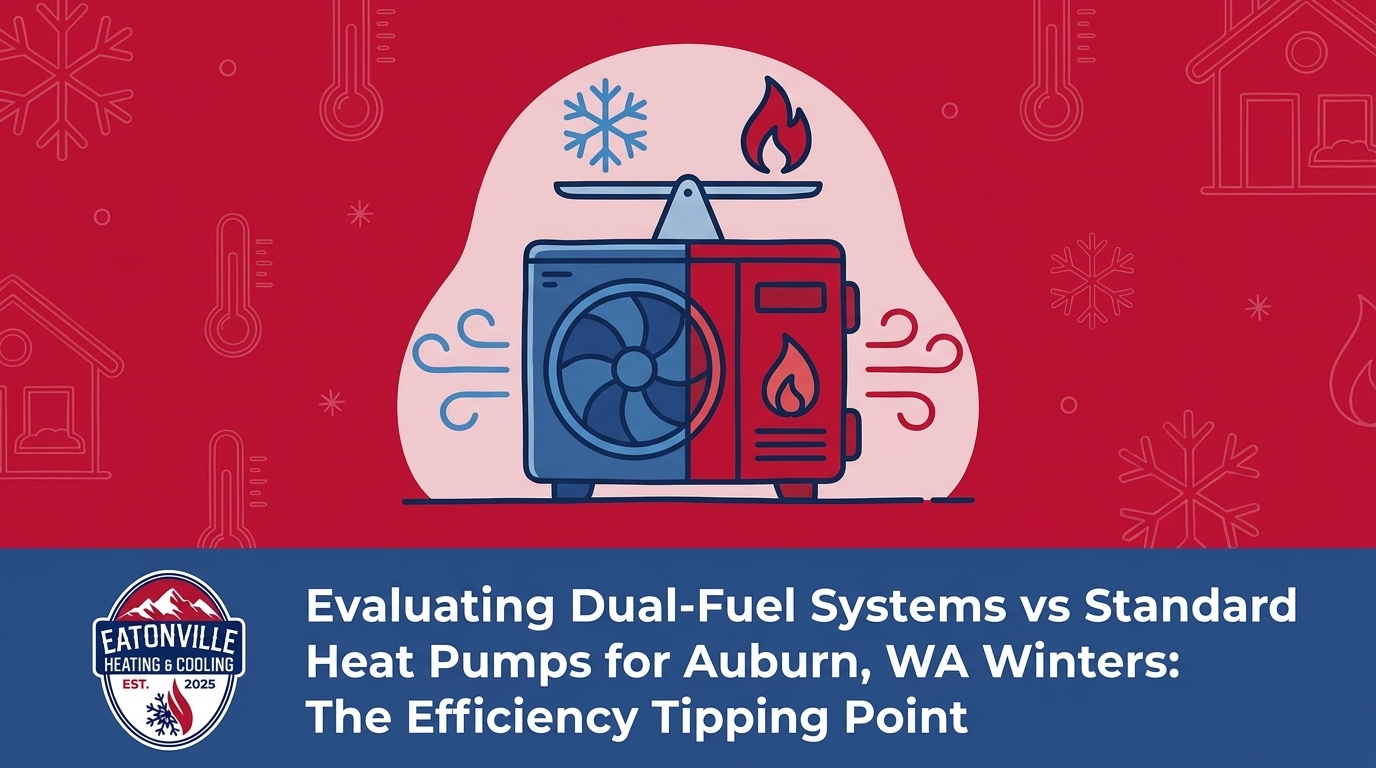
Evaluating Dual-Fuel Systems vs Standard Heat Pumps for Auburn Winters
Sub-freezing overnight temperatures force electric heat pumps to work harder. Explore the efficiency tipping point between standard electric and dual-fuel gas backups to choose the right system.
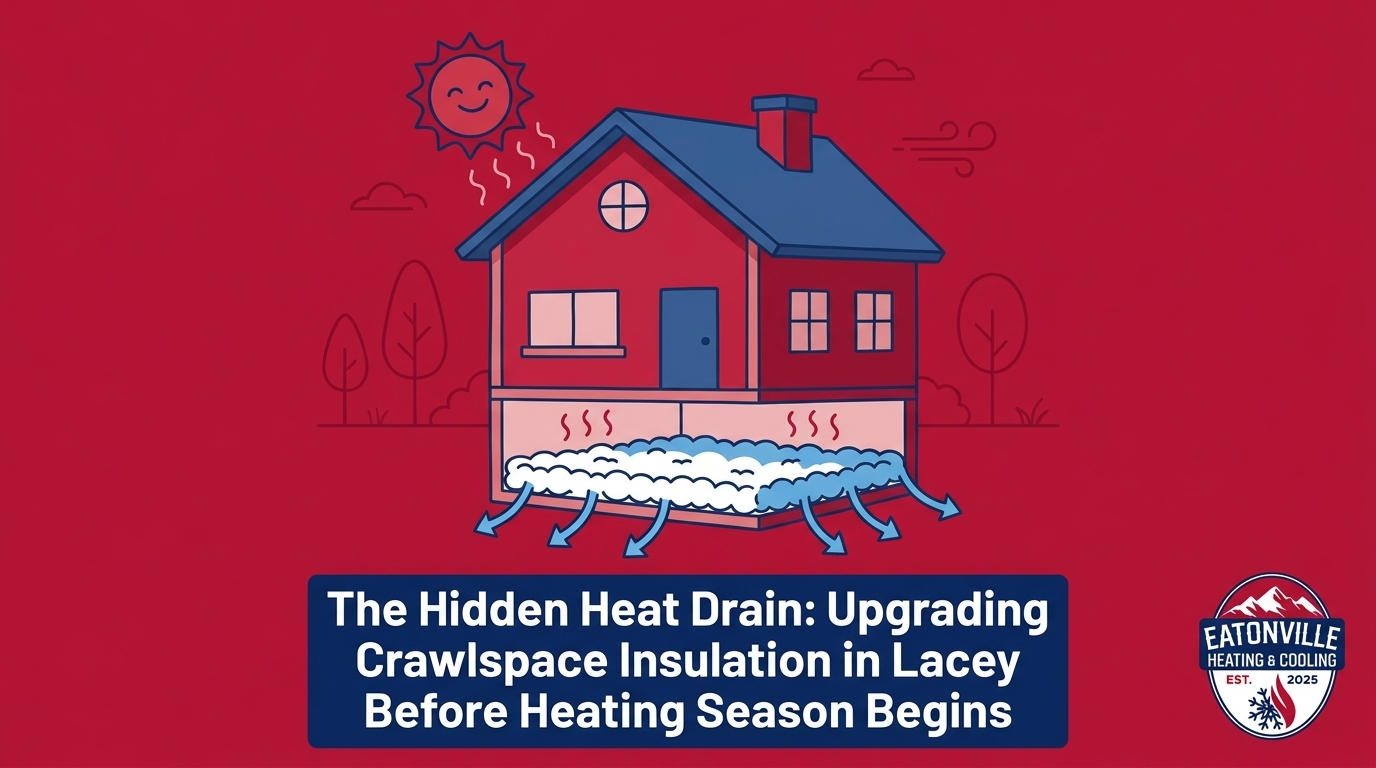
Upgrading Crawlspace Insulation in Lacey Before Heating Season Begins
Don't let your furnace work overtime just to heat the damp air beneath your floorboards. Upgrading your crawlspace insulation stops hidden heat loss and keeps your living room warm all winter long.
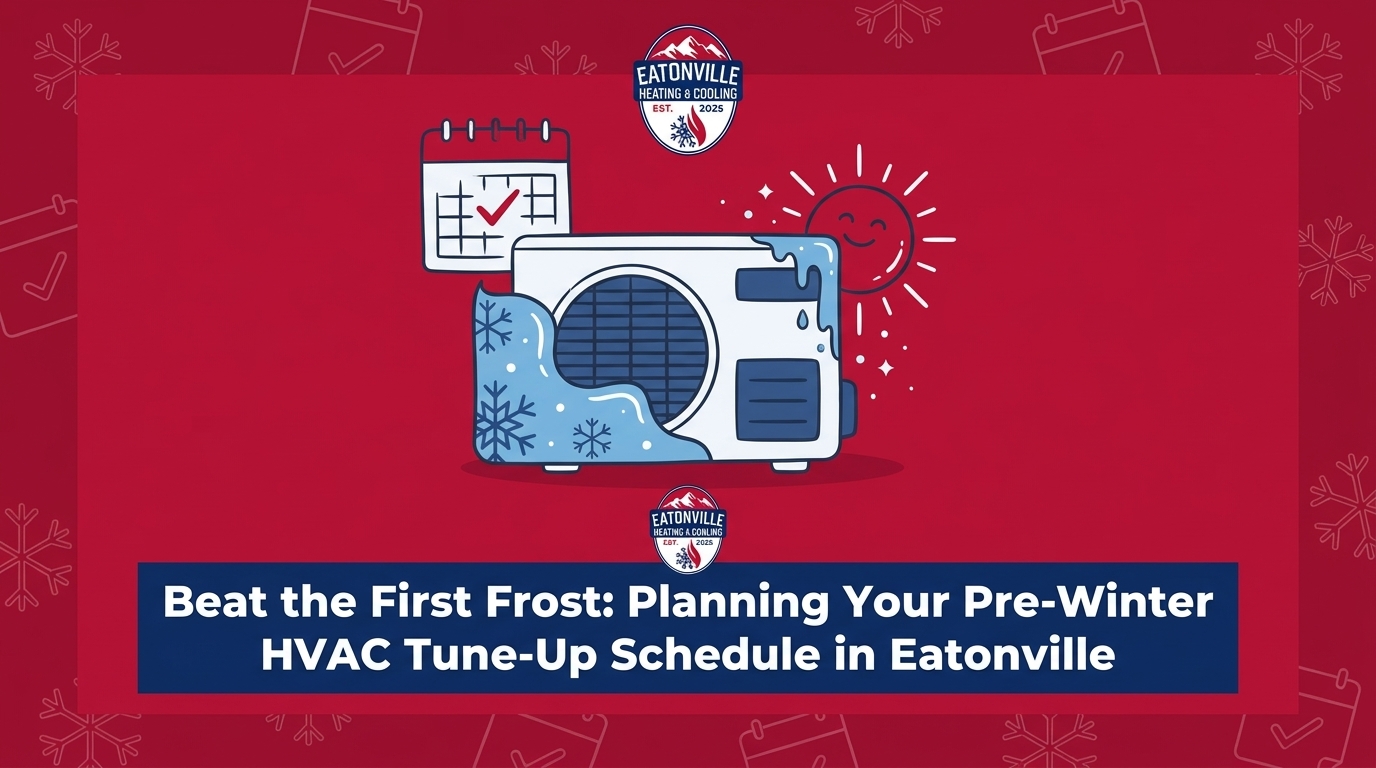
Planning Your Pre-Winter HVAC Tune-Up Schedule in Eatonville
The first fall freeze always triggers a scheduling panic for heating repairs. Booking your maintenance in September guarantees priority service when temperatures drop.
Planning Your Pre-Winter HVAC Tune-Up Schedule in Eatonville
The first fall freeze always triggers a scheduling panic for heating repairs. Booking your maintenance in September guarantees priority service when temperatures drop.
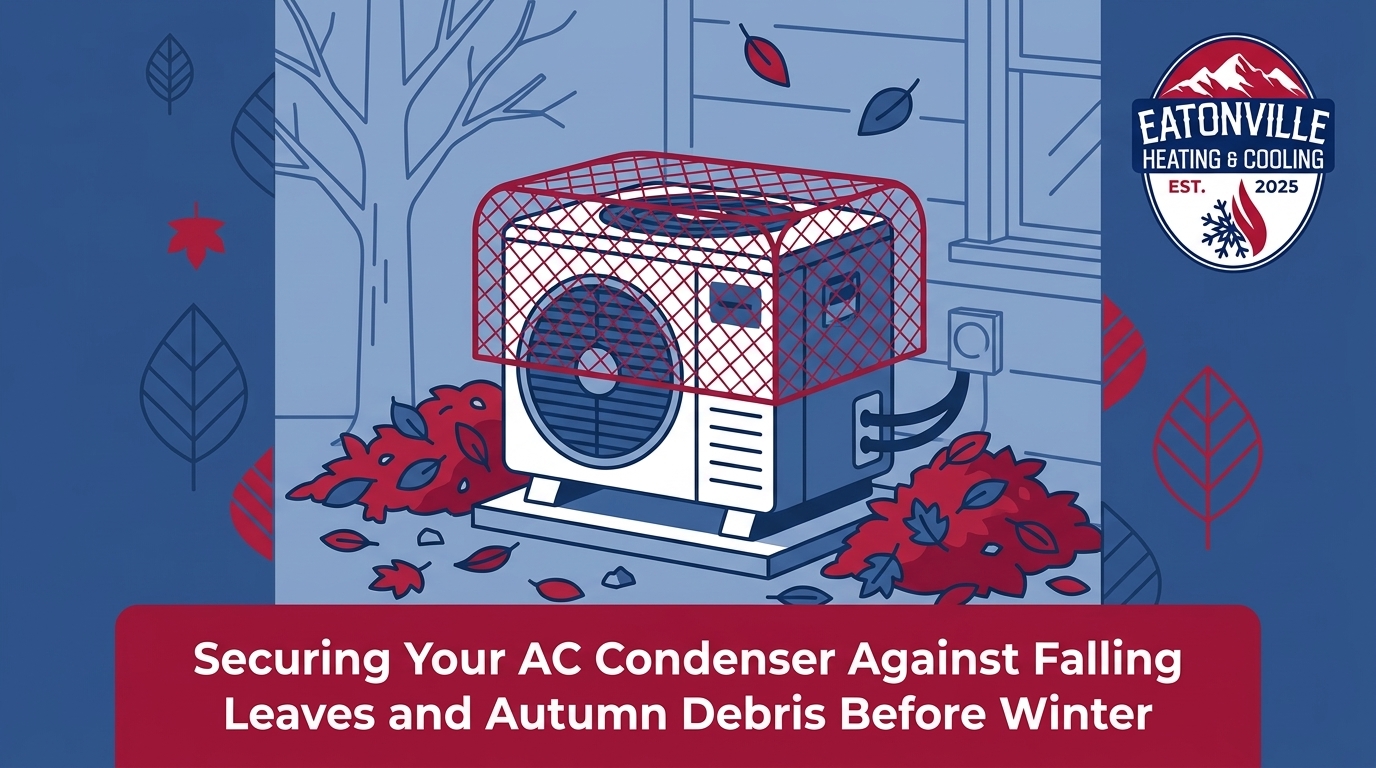
Securing Your AC Condenser Against Falling Leaves and Autumn Debris
Wet September leaves can trap moisture inside your outdoor base pan, causing rust and restricted airflow. See how clearing this debris protects your winter heating cycle.