

When Your Heat Goes Out in the Middle of the Night
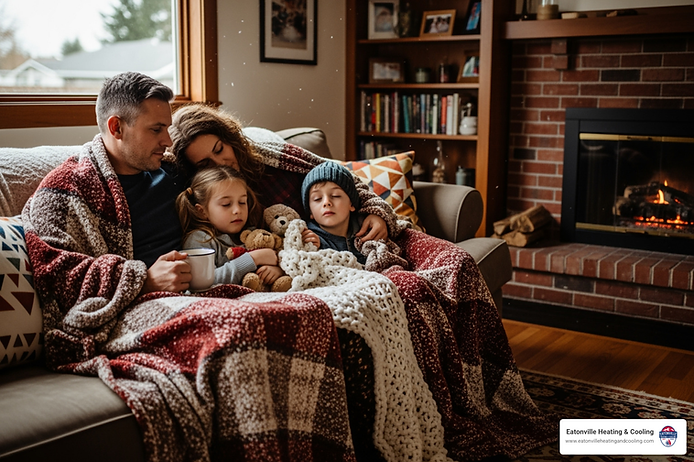
24 Hour Heating Service in Tacoma, WA becomes critical when your furnace fails during a freezing winter night. Enduring a cold house is not an option, especially when help is available around the clock. Whether it's a complete system shutdown, strange noises, burning smells, or a gas leak, knowing how to respond quickly can protect your family, your home, and your heating system from serious damage.
Quick Answer: When You Need Emergency Heating Help
- Complete loss of heat during cold weather
- Burning or electrical smells from your heating system
- Loud grinding, banging, or squealing noises
- Gas leak suspected (evacuate and call 911 first)
- Yellow or flickering furnace flame (carbon monoxide risk)
- Water pooling around your furnace or heat pump
- Frequent system cycling or won't stay on
For immediate assistance with heating emergencies, contact Eatonville Heating & Cooling. We also provide 24/7 HVAC services throughout the greater Tacoma area.
Tacoma winters can be unpredictable. One day you're enjoying mild Pacific Northwest weather, and the next you're dealing with freezing temperatures and a heating system that won't turn on.
When your furnace or heat pump fails, the clock starts ticking. Extended cold can lead to frozen pipes, health risks for vulnerable family members, and even structural damage to your home. That's why having access to reliable emergency heating services isn't just convenient—it's essential for your safety and peace of mind.
This guide will walk you through identifying a true heating emergency, what immediate steps to take, and how to find a trustworthy 24 Hour Heating Service in Tacoma, WA. You'll learn the warning signs that demand urgent attention, simple troubleshooting checks you can perform yourself, and what to expect when you call for emergency help. We'll also cover preventative measures that can help you avoid future crises.
I'm Matthew Percy, owner of Eatonville Heating & Cooling, and I've helped countless Tacoma-area families restore heat during urgent situations, providing honest 24 Hour Heating Service in Tacoma, WA that prioritizes your comfort and safety above all else.
Whether you're dealing with a complete system failure or just need guidance on whether your issue qualifies as an emergency, this article will give you the information you need to make the right decisions for your home.

Identifying a True Heating Emergency
Imagine waking up to a chilly house, only to find your heating system stubbornly refusing to cooperate. It's more than just an inconvenience; it can be a genuine emergency. Knowing the difference between a minor hiccup and a critical problem is key to protecting your home and family.
Here are the signs that your heating system needs immediate attention:
- Complete Loss of Heat: This is the most obvious sign. If your furnace or heat pump completely stops producing heat, especially during cold weather in Tacoma, it's an emergency. You and your family will never be left out in the cold (or heat) again.
- Loud, Unusual Noises: Heating systems should run relatively quietly. If you start hearing grinding, squealing, banging, clanking, or rattling sounds, it often signals a mechanical failure within the unit. These noises can indicate serious issues like a broken belt, a failing motor, or a damaged compressor. Ignoring them can lead to more extensive damage.
- Burning or Electrical Smells: Any burning odor emanating from your heating system is a red flag. It could indicate overheating electrical components, frayed wiring, or even a potential fire hazard. Similarly, a strong smell of rotten eggs could point to a gas leak. In such cases, safety comes first.
- Electrical Issues: Flickering lights when the heater kicks on, frequently tripped circuit breakers related to your heating system, or sparks near the unit are all signs of an electrical problem. These can pose a shock hazard or lead to a fire.
- Yellow or Flickering Pilot Light/Burner Flame: For gas furnaces, the pilot light or burner flame should be a steady blue. A yellow, orange, or flickering flame can indicate incomplete combustion, which produces dangerous carbon monoxide. This is a life-threatening situation.
- Water Leaks or Icing: If you notice water pooling around your furnace or heat pump, it could be due to a clogged condensate line, a cracked drain pan, or a refrigerant leak. Thick ice buildup on your heat pump's outdoor coils (when it's not freezing outside) or indoor coils also points to a problem, often a refrigerant leak or airflow issue.
- Frequent Cycling or Won't Stay On: If your heating system turns on and off constantly (short cycling) or struggles to maintain a consistent temperature, it's working harder than it should. This inefficiency can lead to premature wear and tear, higher energy bills, and could be a symptom of a larger underlying issue.
The Risks of Delaying Repairs
Delaying a necessary heating repair can turn a bad situation into a truly disastrous one. The risks are substantial and go beyond mere discomfort:
- Safety Hazards: Gas leaks and carbon monoxide poisoning are potentially deadly risks. Electrical issues can lead to shocks or fires. Malfunctioning HVAC systems can even decrease indoor air quality, contributing to increased illness and allergies for your family.
- Frozen Pipes and Water Damage: During a cold Tacoma winter, a non-functioning heating system can quickly lead to frozen pipes. When these pipes thaw, they can burst, causing extensive water damage to your home's structure, belongings, and foundation. This is a messy problem that is entirely preventable with prompt heating repair.
- Worsening System Damage: What might start as a minor issue can quickly escalate into a catastrophic system failure if ignored. A small component failure can put undue stress on other parts, turning a repairable problem into a forced replacement. Taking quick action is almost always the safest approach.
- Poor Indoor Air Quality: A struggling heating system can circulate dust, allergens, and pollutants, leading to decreased indoor air quality. This can exacerbate respiratory issues and allergies, making your home an uncomfortable and unhealthy environment.
Repair vs. Replacement Considerations
When faced with a heating emergency, one of the biggest questions homeowners ask us is, "Should I repair or replace my system?" It's a tough question, and the answer depends on several factors:
Factor | Repair Often Makes Sense | Replacement Often Makes Sense |
|---|---|---|
System Age | Relatively new (under 10 years old) | Old (over 10-15 years old for furnaces, 14 years for heat pumps) |
Frequency of Breakdowns | Rare, isolated incident | Frequent, recurring issues annually |
Energy Efficiency | System still runs efficiently | Noticeable decrease in performance and efficiency, outdated technology |
Availability of Parts | Parts are readily available | Parts are obsolete or difficult to find |
If your system is past its prime (over 10-15 years old) and frequently breaking down, continuing to invest in repairs may not be the best long-term solution. Newer heating systems, especially heat pumps, are significantly more energy-efficient than older models, meaning a replacement can improve your home's performance and comfort. We'll always give you an honest assessment to help you decide the best path forward for your Tacoma home.
Immediate Steps to Take During a Heating Failure
When your heating system fails, it's easy to panic. But a calm, systematic approach can make all the difference. Here's our emergency checklist to guide you:
What to Do If You Suspect a Gas or Carbon Monoxide Leak
This is the most critical step. If you smell rotten eggs (the common indicator of a natural gas leak) or if your carbon monoxide detector sounds, evacuate your home immediately. Do not try to find the source or troubleshoot anything.
- Evacuate Immediately: Get everyone, including pets, out of the house.
- Call 911: Once you are safely outside, call emergency services.
- Contact Your Utility Company: Notify your gas provider about the suspected leak.
- Do Not Re-Enter: Do not go back inside your home until emergency responders or the utility company has declared it safe.
Simple Checks Before You Call for Service
For other heating issues, before you reach out for 24 Hour Heating Service in Tacoma, WA, there are a few simple checks you can perform. Sometimes, the solution is easier than you think!
- Check Your Thermostat:
- Is it set to "Heat"?
- Is the temperature setting higher than the current room temperature?
- Are the batteries dead? (A common, easily overlooked culprit!)
- Is it set to "On" or "Auto"? Try "On" to see if the fan runs.
- Check Your Circuit Breaker:
- Go to your electrical panel.
- Locate the breaker labeled for your furnace or heat pump.
- If it's tripped (usually in the middle position), flip it firmly to "Off" and then back to "On." If it immediately trips again, do not reset it; this indicates a persistent electrical problem.
- Check Your Air Filters:
- A clogged air filter can severely restrict airflow, causing your system to overheat and shut down or run inefficiently.
- Check if it's dirty. If so, replace it. This simple act can often restore normal operation.
- Check for Blocked Vents:
- Ensure all supply and return vents in your home are open and not blocked by furniture, rugs, or curtains. Restricted airflow can strain your system.
- Turn Off the System: If you hear loud, unusual noises or smell burning, turn off your heating system at the thermostat and then flip its dedicated breaker at the electrical panel. This can prevent further damage or safety risks.
Steps to Prepare for a Technician's Visit
Once you've completed your initial checks and determined you need professional help, preparing for our arrival can help us diagnose and fix the problem more quickly:
- Clear the Path: Ensure the area around your furnace or heat pump is clear of clutter, storage, or anything that might obstruct our access.
- Secure Pets: For the safety and comfort of both your technician and your furry friends, please secure any pets in another room.
- Write Down Questions: Jot down any questions you have or observations you've made about the system's behavior (e.g., "It started making a clicking noise two days ago," or "The temperature keeps dropping at night").
- Be Available: Ensure someone is home to provide access and answer any questions we might have.
- Have System Info Ready: If possible, know your system's model number, approximate age, and a description of the problem. This can sometimes help our technicians prepare.
What to Expect from a 24 Hour Heating Service in Tacoma, WA
When your heat goes out, especially in the dead of winter, you need fast, reliable help. That's precisely what a dedicated 24 Hour Heating Service in Tacoma, WA provides. We understand that heating emergencies can happen at any time, which is why we are available around the clock to respond to your urgent needs.
Here's what you can typically expect when you call us for emergency heating service:
- Priority Dispatch: Your emergency call is our top priority. We aim to have experts visit your home quickly, often within a few hours of your call, aiming for same-day service. Our goal is to restore your comfort as swiftly as possible.
- Thorough System Diagnosis: Upon arrival, our technicians will conduct a comprehensive diagnostic assessment of your heating system. This involves inspecting all components, from the thermostat to the burner or compressor, to accurately pinpoint the cause of the breakdown.
- Clear Communication and Options: Once the problem is identified, we'll explain it to you in clear, understandable terms. We'll discuss your options for repair, including what parts might be needed and the estimated timeframe for completion.
- Efficient Repair Process: Our service vans are well-stocked with common parts to facilitate immediate repairs. Whether it's a furnace repair, a heat pump repair, or a specialized service like refrigerant leak detection and recharge, our technicians are equipped to handle a wide range of issues. If a specific part needs to be ordered, we'll communicate the timeline transparently.
- System Testing and Verification: After the repair is completed, we'll thoroughly test your heating system to ensure it's operating safely and efficiently. We won't leave until we're confident your home is warm and comfortable again.
Finding a Reliable 24 Hour Heating Service in Tacoma, WA
Choosing the right emergency heating service is crucial. You want a team that is not only available but also trustworthy and competent. Here's what to look for:
- 24/7 Availability: This is non-negotiable for emergency services. Ensure they truly offer round-the-clock support, including weekends and holidays.
- Licensed and Insured Technicians: Look for a company that is fully licensed and insured. This protects you and ensures the technicians are qualified professionals who adhere to safety and industry standards. Our team consists of skilled experts dedicated to providing quality service.
- Positive Local Reviews: Check online reviews and testimonials from other homeowners in Tacoma, Puyallup, Lakewood, or other nearby areas we serve. A company with a strong reputation for excellent customer service and effective repairs is a good indicator of reliability.
- Transparent Communication: A reliable service provider will communicate clearly and honestly, from the initial call to the completion of the repair. They should explain the problem, the solution, and any associated timelines without pressure.
The Benefits of a 24 Hour Heating Service in Tacoma, WA
The value of having a dependable 24 Hour Heating Service in Tacoma, WA cannot be overstated. It brings several critical benefits when you need them most:
- Restored Comfort: The most immediate benefit is the swift return to a warm, comfortable home. No more shivering under blankets or huddling around space heaters.
- Minimized Health Risks: Prompt repair prevents prolonged exposure to cold temperatures, which can be particularly dangerous for children, the elderly, and those with health conditions. It also addresses issues that could compromise indoor air quality.
- Peace of Mind: Knowing that expert help is just a phone call away, any time of day or night, offers invaluable peace of mind. You can rest easy, even when unexpected heating issues arise.
- Prevention of Property Damage: Quick intervention can prevent secondary damage like frozen pipes, water leaks, or electrical hazards from escalating.
Preventing Future Crises with Proactive Heating Care
We all love a good superhero story, but when it comes to your home's heating, prevention is always better than a last-minute rescue. Proactive care is the best way to safeguard your comfort and avoid the stress of a heating emergency.
Here's how you can take charge:
- Annual Tune-Ups: Just like your car, your heating system needs regular maintenance. Scheduling an annual tune-up for your furnace or heat pump before winter begins is perhaps the most effective preventative measure. Our technicians will inspect all components, clean the system, adjust controls, and perform safety checks, including looking for gas leaks and carbon monoxide production.
- Regular Filter Changes: This is a simple DIY task that makes a huge difference. A dirty air filter restricts airflow, forcing your system to work harder, decreasing efficiency, and potentially causing breakdowns. We recommend changing your HVAC filters every 1 to 3 months, especially during peak heating season or if you have pets.
- Keeping Vents Clear: Ensure all supply and return vents in your home are unobstructed. Blocked vents hinder proper airflow and can strain your system. Also, keep the area around your outdoor heat pump unit clear of debris, snow, and vegetation, maintaining at least two feet of clearance on all sides.
- Addressing Minor Issues Promptly: Don't ignore new noises, strange smells, or reduced airflow. What seems like a minor issue today could quickly escalate into a major emergency tomorrow. Addressing these "red flags" early can prevent more significant problems and extend the lifespan of your system.
The Importance of Regular Maintenance
Investing in regular maintenance is investing in your home's long-term comfort and safety. The benefits are clear:
- Improved Efficiency: A well-maintained system runs more efficiently, helping to optimize your home's energy use.
- Extended System Lifespan: Regular tune-ups help prevent premature wear and tear, extending the life of your furnace or heat pump.
- Improved Safety: Safety checks during maintenance can catch potential hazards like gas leaks or carbon monoxide issues before they become dangerous.
- Fewer Breakdowns: Proactive care significantly reduces the likelihood of unexpected and inconvenient breakdowns, especially when you need your heat the most.
For comprehensive maintenance plans and expert care, please Contact Us.
Frequently Asked Questions about Emergency Heating Services
We know you have questions, especially when faced with a heating emergency. Here are some of the most common inquiries we receive:
What Are the Most Common Causes of Heating Emergencies?
While every situation is unique, many heating emergencies stem from preventable issues. The most common culprits we see include:
- Lack of Maintenance: This is by far the biggest contributor. Skipping annual tune-ups allows small issues to grow into major failures.
- Electrical Failure: Loose wiring, burned-out fuses, or issues with capacitors or contactors can lead to system shutdowns or safety hazards.
- Dirty Filters: Severely clogged air filters restrict airflow, causing your system to overheat, short cycle, or even freeze up.
- Mechanical Failures: Worn-out components like blower motors, heat exchangers, or compressors can lead to loud noises and system failure.
- Thermostat Malfunctions: A faulty thermostat can send incorrect signals to your heating system, causing it to run erratically or not at all.
- Refrigerant Leaks: In heat pumps, low refrigerant due to leaks can severely impair heating (and cooling) capabilities.
Should I Turn My Heat Off If I Hear a Loud Noise?
Yes, absolutely. If you hear loud grinding, banging, or squealing noises coming from your heating system, it's a strong indicator of a serious mechanical failure. Continuing to run the system could cause further, more extensive damage to critical components.
Your immediate steps should be:
- Turn off the system at the thermostat.
- Go to your electrical panel and flip the circuit breaker dedicated to your heating system to the "Off" position.
- Then, call us for emergency service.
How Can I Stay Warm While Waiting for a Technician?
While we prioritize emergency calls, there might be a short waiting period. Here are some tips to stay warm safely:
- Gather in One Room: Choose a smaller, interior room and gather your family there.
- Use Blankets and Warm Clothing: Bundle up! Layer clothing and use plenty of blankets.
- Block Drafts: Place towels or blankets under doors and at windows to prevent cold air from entering.
- Avoid Unsafe Heating Methods: Never use your gas oven, outdoor grills, or unvented combustion appliances as indoor heat sources. These can produce dangerous carbon monoxide and pose fire risks. Portable electric heaters are generally safe if used according to manufacturer instructions and kept away from flammable materials.
Your Partner for Reliable Heating Services in Tacoma
When the unexpected happens and your heating system falters, especially during the chill of a Pacific Northwest night, you need a partner you can trust. At Eatonville Heating & Cooling, we are a family-owned HVAC company dedicated to providing dependable residential and commercial heating, cooling, and air quality services across Tacoma, Olympia, Auburn, Puyallup, Lakewood, Gig Harbor, and other communities in the region.
We understand the unique microclimates and challenges of heating homes in our area, and our focus is always on quality and customer satisfaction to ensure your comfort. From identifying a critical heating emergency to providing swift and effective 24 Hour Heating Service in Tacoma, WA, our expert technicians are ready to restore warmth and peace of mind to your home.
For dependable heating solutions and expert care, explore our comprehensive Services. We are here to ensure your home remains a haven of comfort, season after season.
Recent Posts
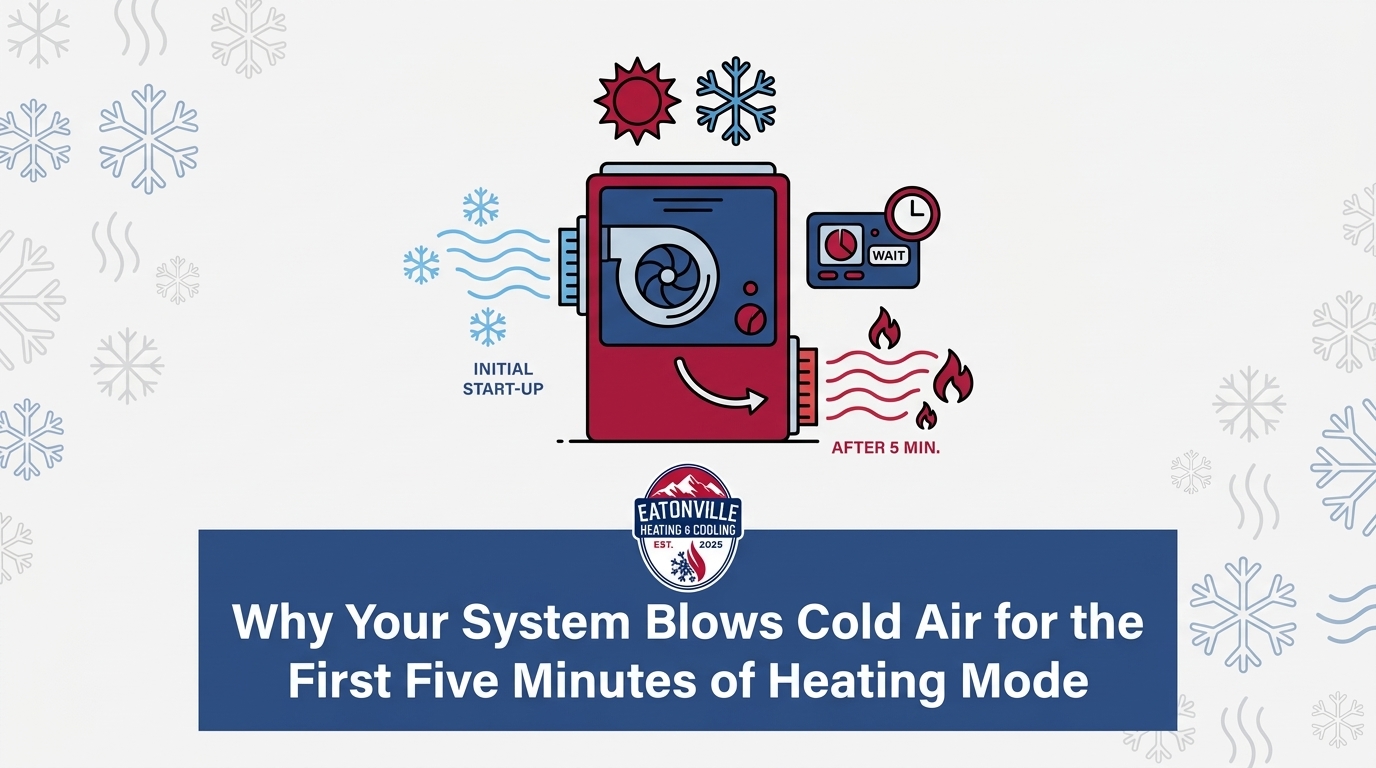
Why Your System Blows Cold Air for the First Five Minutes of Heating Mode
Turning on your furnace on a chilly fall morning only to feel a freezing breeze is stressful. Find out if that initial blast of cold air is normal or a sign of trouble.
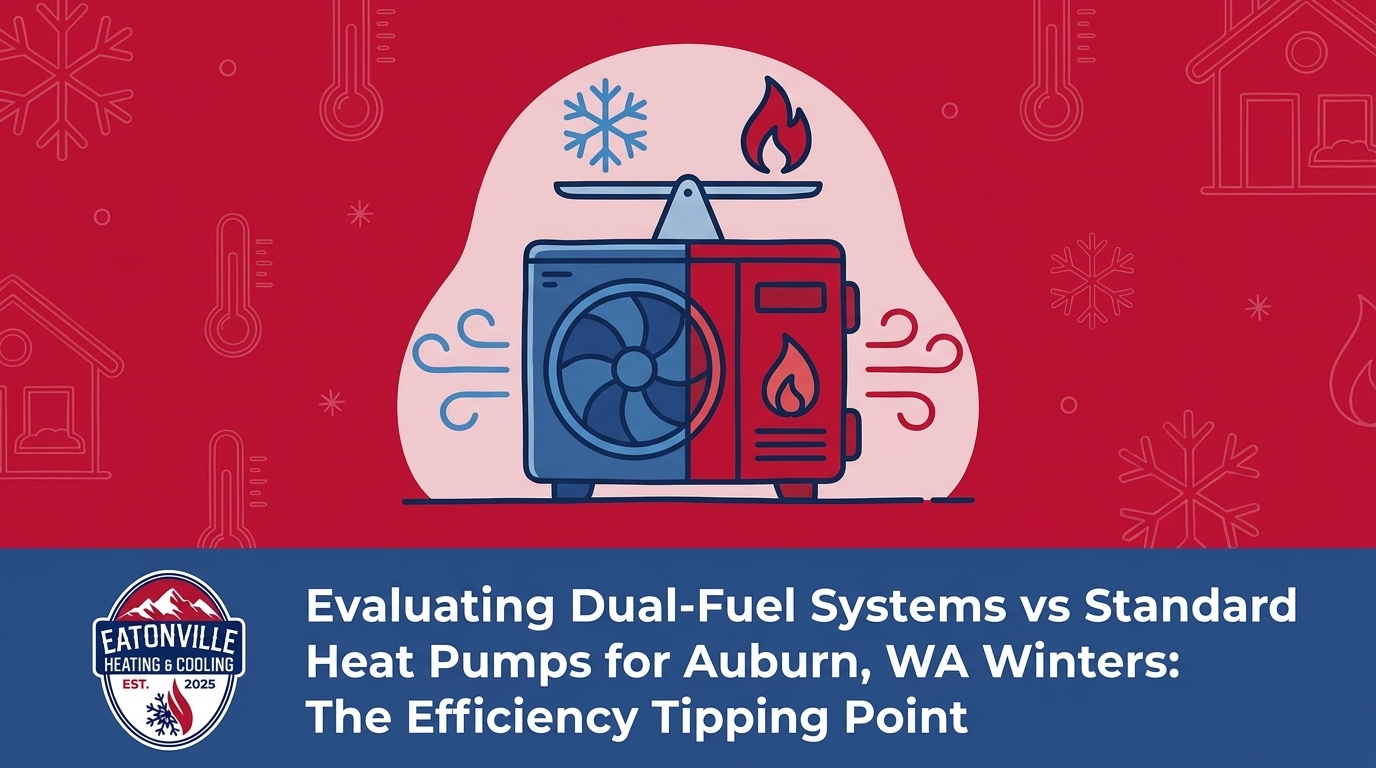
Evaluating Dual-Fuel Systems vs Standard Heat Pumps for Auburn Winters
Sub-freezing overnight temperatures force electric heat pumps to work harder. Explore the efficiency tipping point between standard electric and dual-fuel gas backups to choose the right system.
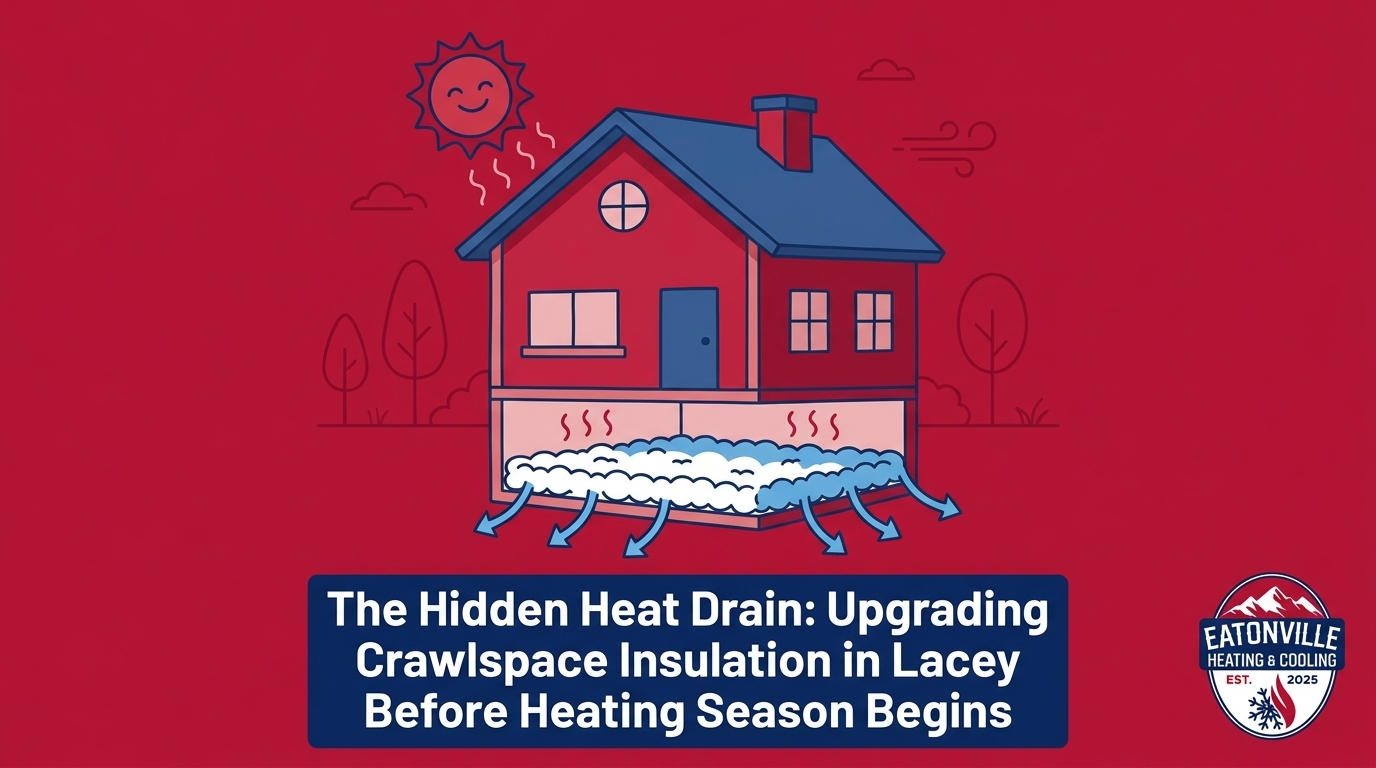
Upgrading Crawlspace Insulation in Lacey Before Heating Season Begins
Don't let your furnace work overtime just to heat the damp air beneath your floorboards. Upgrading your crawlspace insulation stops hidden heat loss and keeps your living room warm all winter long.
Planning Your Pre-Winter HVAC Tune-Up Schedule in Eatonville
The first fall freeze always triggers a scheduling panic for heating repairs. Booking your maintenance in September guarantees priority service when temperatures drop.
Planning Your Pre-Winter HVAC Tune-Up Schedule in Eatonville
The first fall freeze always triggers a scheduling panic for heating repairs. Booking your maintenance in September guarantees priority service when temperatures drop.
Securing Your AC Condenser Against Falling Leaves and Autumn Debris
Wet September leaves can trap moisture inside your outdoor base pan, causing rust and restricted airflow. See how clearing this debris protects your winter heating cycle.