

What Size Air Conditioner Do You Really Need for Your Home?
Choosing the right size air conditioner is one of the most important decisions you can make for your home. An improperly sized system can lead to higher energy costs, uneven cooling, and unnecessary wear on your equipmen
Choosing the right size air conditioner is one of the most important decisions you can make for your home. An improperly sized system can lead to higher energy costs, uneven cooling, and unnecessary wear on your equipment. At Eatonville Heating & Cooling, we help homeowners select systems that are properly matched to their space for reliable, efficient performance.
Many people assume that a larger system will cool their home better, but that’s not always the case. Air conditioning systems are designed to operate within specific capacity ranges, and oversizing or undersizing can both create problems.
Why AC Size Matters More Than You Think
An air conditioner that is too small will struggle to keep up with cooling demands. It will run continuously, trying to reach the desired temperature but never quite getting there. This not only reduces comfort but also increases energy consumption and shortens the lifespan of the system.
On the other hand, an oversized unit can cool your home too quickly without properly removing humidity. This leads to a space that feels cool but still uncomfortable. Short cycling is also common with oversized systems, where the unit turns on and off frequently, putting stress on key components.
Proper sizing ensures your system runs efficiently, maintains consistent temperatures, and controls humidity effectively. It also helps extend the life of your equipment and reduces the likelihood of costly repairs.
Factors That Determine the Right AC Size
There is no one-size-fits-all answer when it comes to AC sizing. Several factors must be evaluated to determine the correct capacity for your home.
The size of your home is the starting point. Square footage provides a general baseline, but it doesn’t tell the whole story. Other elements can significantly impact how much cooling your home requires.
These include:
• Ceiling height and overall layout
• Number and size of windows
• Insulation quality
• Sun exposure throughout the day
• Number of occupants in the home
• Heat-generating appliances and electronics
Each of these factors contributes to your home’s overall cooling load. A system that works well in one home may not be suitable for another, even if the square footage is similar.
Climate also plays a role. Homes in warmer regions or areas with higher humidity levels typically require systems with greater capacity to maintain comfort.
Understanding BTUs and Cooling Capacity
Air conditioners are measured in British Thermal Units (BTUs), which indicate how much heat a system can remove from your home per hour. The higher the BTU rating, the greater the cooling capacity.
While it may be tempting to choose a system with a higher BTU rating to ensure strong performance, more is not always better. Oversizing can lead to the issues mentioned earlier, including poor humidity control and increased wear on the system.
A properly sized system will run in longer, steady cycles, allowing it to cool your home evenly and efficiently. This balance is key to maintaining both comfort and energy efficiency.
The Importance of a Professional Load Calculation
To accurately determine the right size air conditioner, a professional load calculation is essential. This process evaluates all the factors that influence your home’s cooling needs, rather than relying on rough estimates.
A load calculation takes into account:
• Square footage and layout
• Insulation levels
• Window placement and efficiency
• Air leakage and ventilation
• Local climate conditions
This detailed analysis ensures that your system is neither too large nor too small. It also helps identify opportunities to improve efficiency, such as sealing air leaks or upgrading insulation.
Common Mistakes Homeowners Make
One of the most common mistakes is replacing an existing system with one of the same size without evaluating whether it was properly sized to begin with. If your current system has always struggled to maintain comfort, simply installing a similar unit will not solve the problem.
Another mistake is relying on rule-of-thumb calculations. While these can provide a rough estimate, they do not account for the unique characteristics of your home.
Homeowners may also overlook the impact of home improvements. Upgrades such as new windows, added insulation, or home additions can change your cooling requirements, making it important to reassess your system size.
How Proper Sizing Improves Long-Term Performance
When your air conditioner is correctly sized, it operates more efficiently and provides consistent comfort throughout your home. Balanced cooling cycles help maintain even temperatures and proper humidity levels, creating a more comfortable indoor environment.
Proper sizing also reduces strain on your system. This leads to fewer breakdowns, lower maintenance costs, and a longer lifespan for your equipment. Over time, these benefits can result in significant savings.
Working With the Right Team
Selecting the right AC system is not just about choosing a brand or model. It requires a thorough understanding of your home’s specific needs and careful evaluation of all contributing factors.
At Eatonville Heating & Cooling, we take a detailed approach to system sizing and installation. Our team ensures that every system we recommend is properly matched to your home, helping you avoid common issues and achieve reliable performance.
By investing in the correct system size from the start, you can enjoy better comfort, improved efficiency, and long-term peace of mind.
Recent Posts
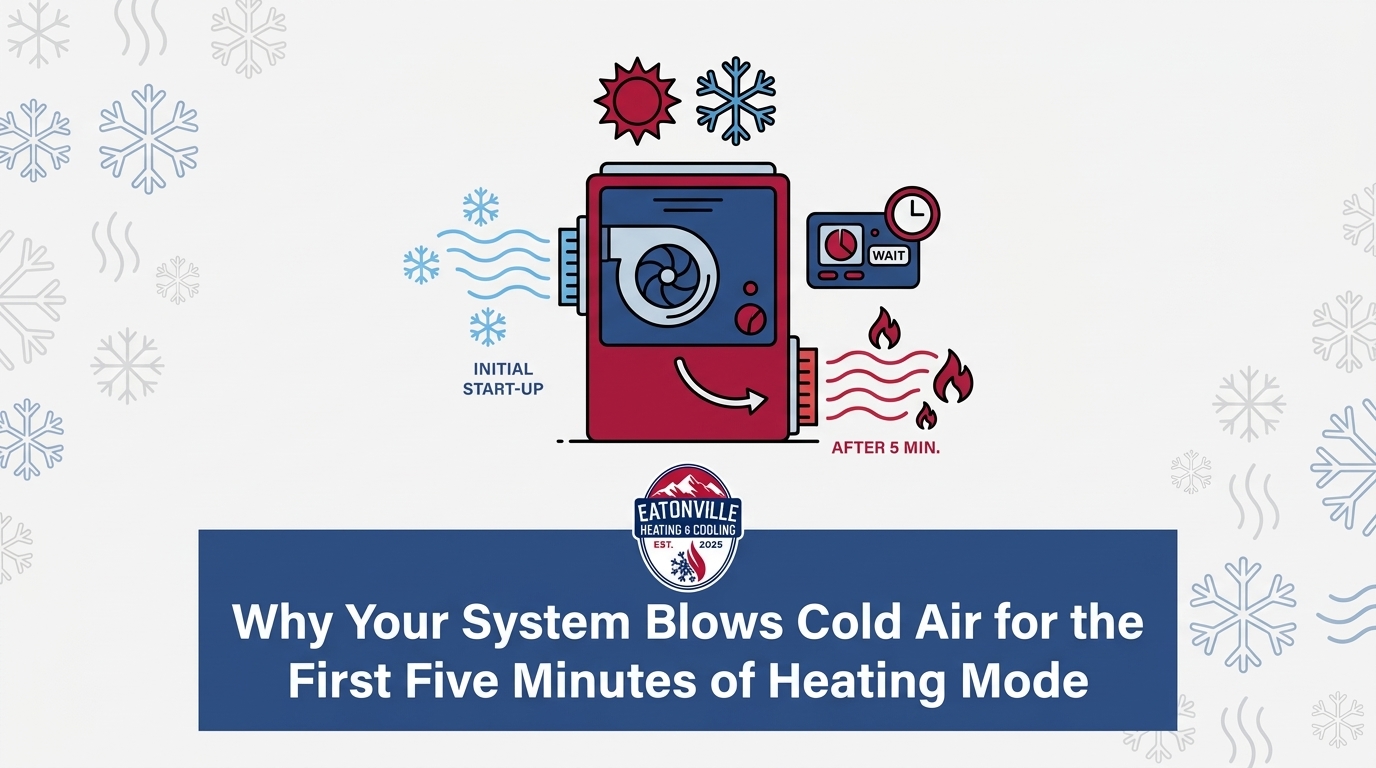
Why Your System Blows Cold Air for the First Five Minutes of Heating Mode
Turning on your furnace on a chilly fall morning only to feel a freezing breeze is stressful. Find out if that initial blast of cold air is normal or a sign of trouble.
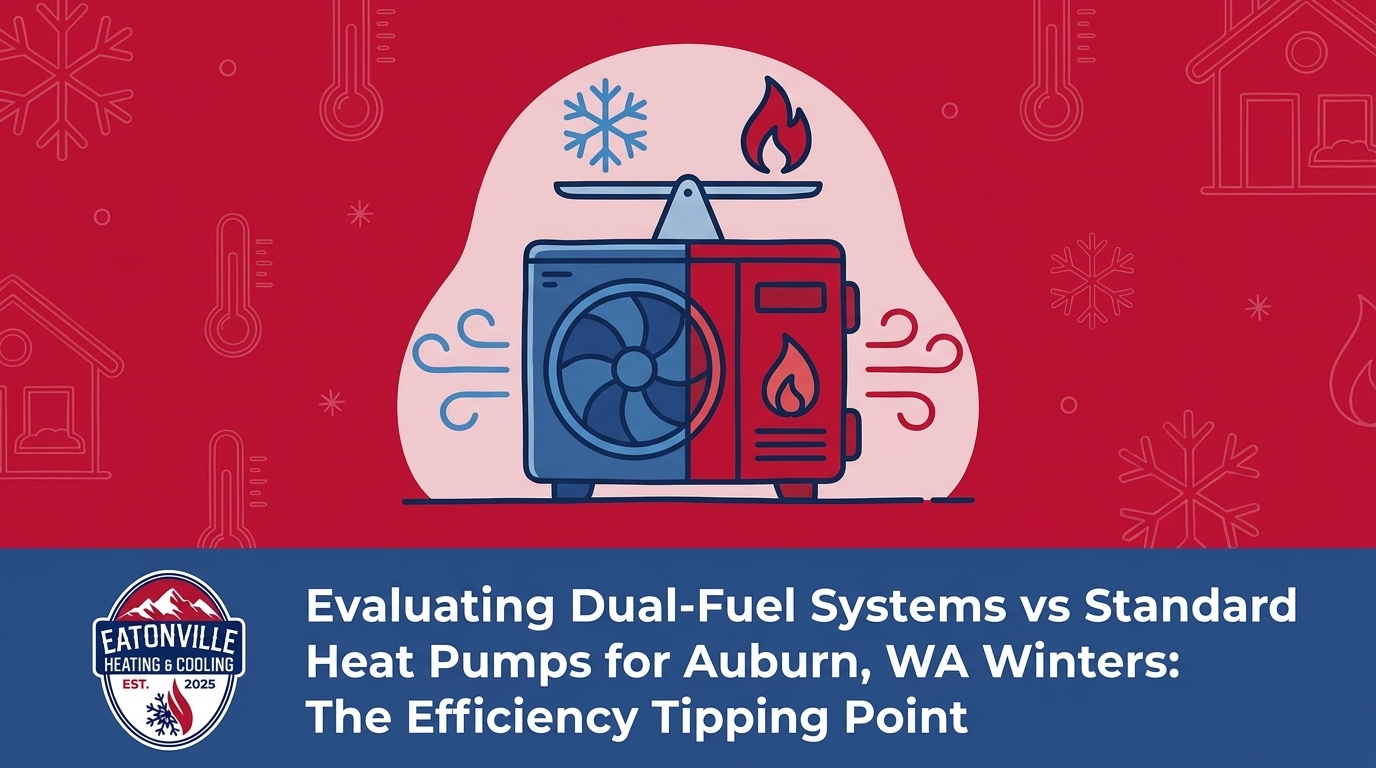
Evaluating Dual-Fuel Systems vs Standard Heat Pumps for Auburn Winters
Sub-freezing overnight temperatures force electric heat pumps to work harder. Explore the efficiency tipping point between standard electric and dual-fuel gas backups to choose the right system.
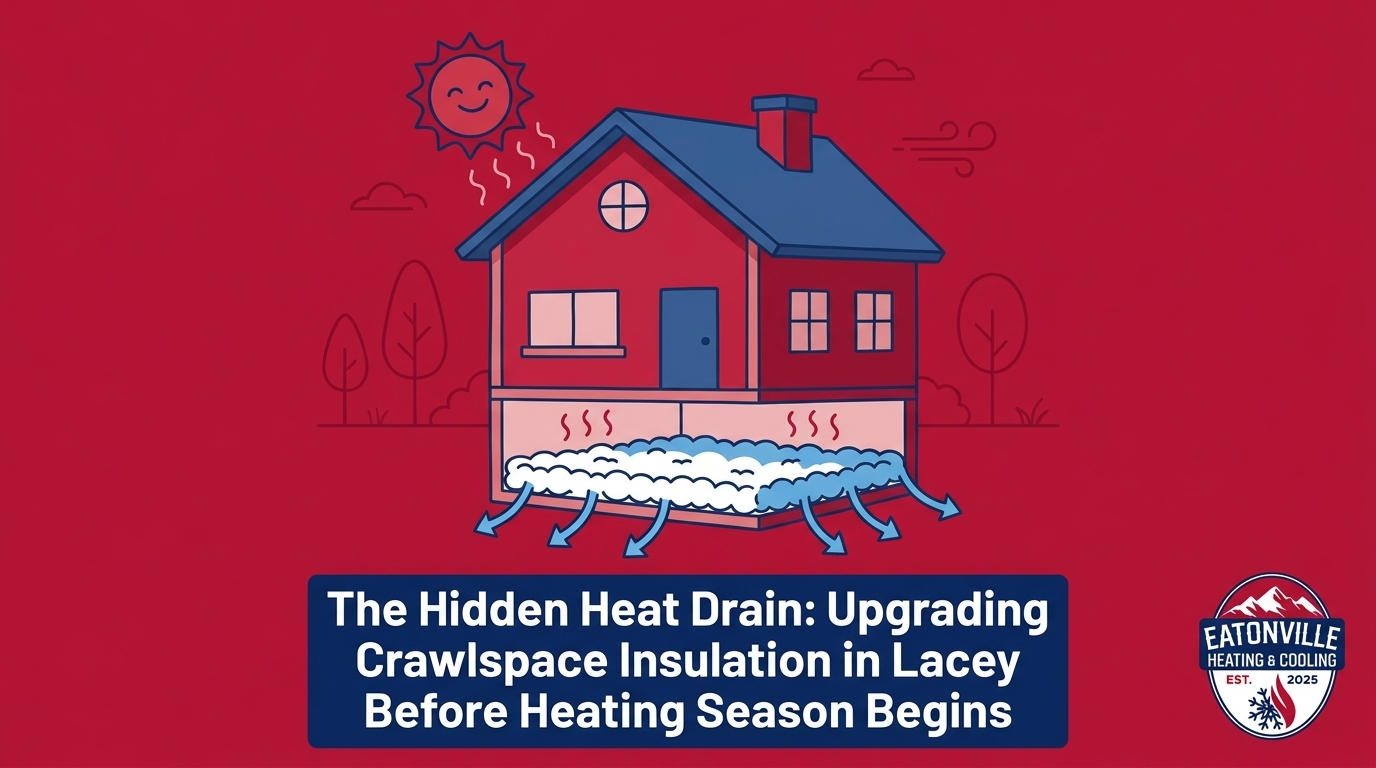
Upgrading Crawlspace Insulation in Lacey Before Heating Season Begins
Don't let your furnace work overtime just to heat the damp air beneath your floorboards. Upgrading your crawlspace insulation stops hidden heat loss and keeps your living room warm all winter long.
Planning Your Pre-Winter HVAC Tune-Up Schedule in Eatonville
The first fall freeze always triggers a scheduling panic for heating repairs. Booking your maintenance in September guarantees priority service when temperatures drop.
Planning Your Pre-Winter HVAC Tune-Up Schedule in Eatonville
The first fall freeze always triggers a scheduling panic for heating repairs. Booking your maintenance in September guarantees priority service when temperatures drop.
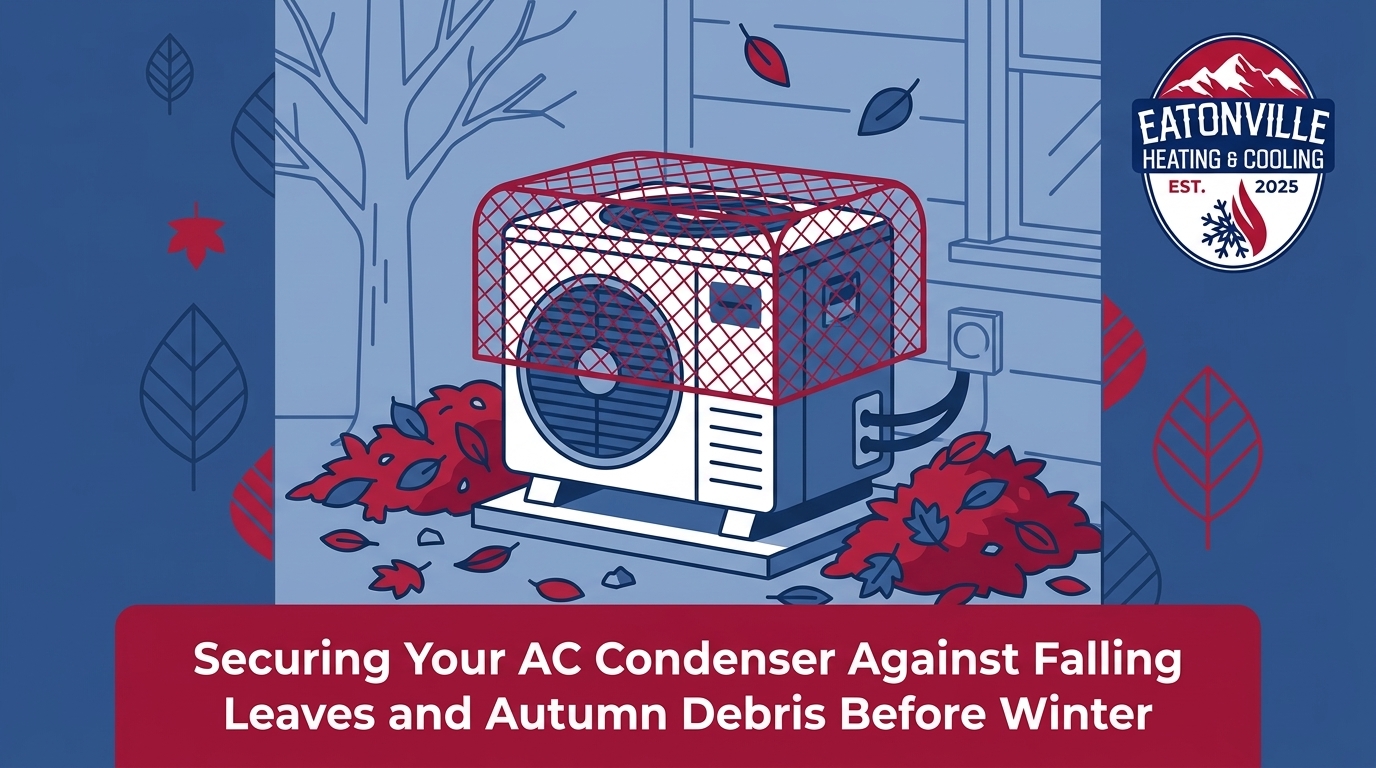
Securing Your AC Condenser Against Falling Leaves and Autumn Debris
Wet September leaves can trap moisture inside your outdoor base pan, causing rust and restricted airflow. See how clearing this debris protects your winter heating cycle.