


How to Troubleshoot Heat Pump Cooling Failure
What to Check First When Your Heat Pump Stops Cooling in Western Washington If your heat pump not cooling in summer is what to check first in Western Washington , here's a quick answer before we dive deeper: Start w
What to Check First When Your Heat Pump Stops Cooling in Western Washington
If your heat pump not cooling in summer is what to check first in Western Washington, here's a quick answer before we dive deeper:
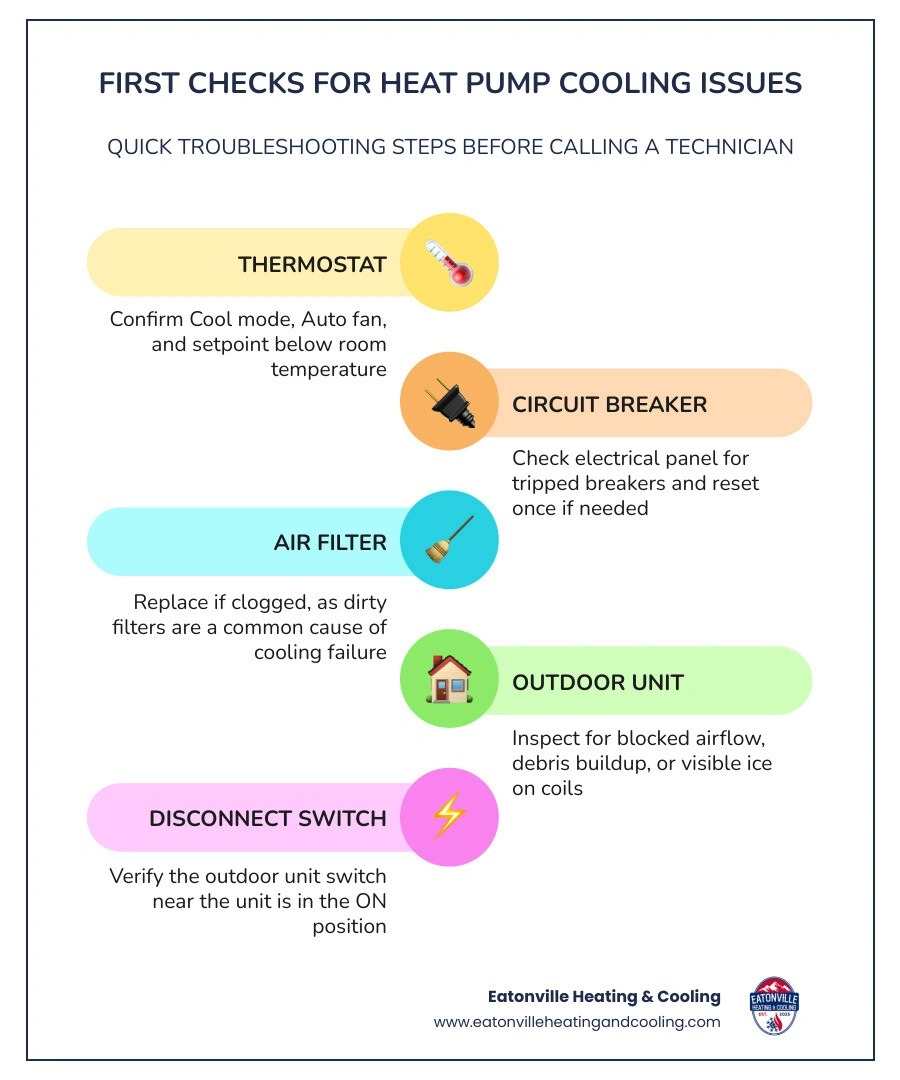
Start with these checks in order:
1. Thermostat - Confirm it's set to Cool mode, fan is on Auto, and the setpoint is below room temperature
2. Circuit breaker - Check the electrical panel for a tripped breaker and reset it once if needed
3. Air filter - A clogged filter is one of the most common causes of cooling failure
4. Outdoor unit - Look for blocked airflow, debris buildup, or visible ice on the coils
5. Disconnect switch - Verify the outdoor unit's disconnect switch near the unit is in the on position
6. Registers and vents - Make sure no furniture or objects are blocking return or supply vents
If none of those fix the problem, you're likely dealing with a mechanical issue — like a stuck reversing valve, low refrigerant, or a failing compressor — that needs a professional.
Your heat pump works hard year-round here in Western Washington. In winter it pulls warmth out of cool outdoor air to heat your home. In summer it flips that process to push heat outside and keep you comfortable indoors. When it stops cooling during one of our increasingly warm Pacific Northwest summers, it can go from uncomfortable to unbearable fast — especially during a heat event.
The good news? Many cooling problems have simple causes that homeowners can check themselves in under 10 minutes. Others point to mechanical failures that need a licensed technician. Knowing the difference saves you time, money, and a lot of frustration.
I'm Matthew Percy, owner of Eatonville Heating & Cooling, and I've spent years diagnosing exactly why a heat pump not cooling in summer is what to check first in Western Washington — from simple thermostat mix-ups to refrigerant leaks caused by our region's marine air and cottonwood debris. In the sections below, I'll walk you through every check, in the right order, so you know exactly what you're dealing with.
Heat pump not cooling in summer what to check first in western washington
When we arrive at a home in Puyallup or Tacoma for a service call, the first thing we look at isn't the complex machinery inside the unit — it’s the power supply. It sounds simple, but you would be surprised how often a cooling "failure" is actually just a lack of electricity.
In May 2026, as we see more frequent spring storms and early-season heat waves, power surges can occasionally trip the sensitive breakers that protect your HVAC system.
Power Supply and Circuit Breakers
Your heat pump system actually uses two different breakers: one for the indoor air handler (or furnace) and one for the outdoor condenser unit. If the indoor unit is running but the outdoor unit is silent, your home will feel like it’s being "cooled" by a lukewarm breeze.
Go to your electrical panel and look for switches labeled "AC," "Heat Pump," or "HVAC." If a breaker is tripped, it will be sitting in the middle position. Flip it all the way to "Off" and then back to "On." If it trips again immediately, do not try a third time — this indicates a short circuit or a grounded compressor that requires Heat Pump Repair Tacoma WA to ensure your safety.
The Outdoor Disconnect Switch
Near your outdoor unit, there is usually a small metal box mounted on the siding of your house. This is the "disconnect." Inside, there is either a large switch or a "pull-out" fuse block. Sometimes, during yard work or exterior house cleaning, this switch can be accidentally bumped into the "Off" position. Ensure it is firmly in the "On" or "Closed" position.
Indoor Power Switch
Don't forget the indoor unit! Most air handlers have a switch that looks exactly like a standard light switch located nearby. If a box was moved in the garage or someone was working in the attic, that switch might have been flipped. If this switch is off, the entire system — including the thermostat — may lose power.
ThermostatPowerAirflowRefrigerantMechanicalTroubleshooting your heat pump not cooling in summer what to check first in western washington
Once you’ve confirmed the power is on, the next stop is the "brain" of your system: the thermostat. We often see homeowners in Olympia and Lacey who are frustrated that their system isn't cooling, only to find the thermostat is in a conflicting mode.
1. Verify "Cool" ModeIt sounds obvious, but check that the thermostat is specifically set to "Cool." Sometimes, after a chilly Western Washington spring night, the system might still be set to "Heat" or "Auto." If it's on "Auto," the deadband (the temperature range between heating and cooling) might be too wide, preventing the cooling from kicking in until the house is already too warm.
2. Check the Temperature SetpointTo test the system, set the target temperature at least 3 to 5 degrees below the current room temperature. You should hear a "click" from the thermostat, followed by the indoor blower motor starting up.
3. Fan Settings: "Auto" vs. "On"If your fan is set to "On," it will blow air through your vents 24/7, even when the heat pump isn't actually cooling. This can lead to higher humidity levels and the feeling of "warm" air blowing when the compressor is between cycles. For the best cooling performance in our humid Puget Sound climate, keep the fan set to "Auto."
4. Battery HealthIf your thermostat uses batteries (and isn't powered by a "C-wire" from the system), low batteries can cause the unit to lose its connection to the heat pump. If the screen is dim or flashing a low-battery icon, replace them immediately. If the thermostat still won't communicate with your unit, you may need Heat Pump Service Olympia WA to diagnose a wiring or control board issue.
Inspecting Airflow and Filter Health
Airflow is the lifeblood of a heat pump. If air cannot move across the indoor evaporator coil or the outdoor condenser coil, the heat exchange process fails. In Western Washington, we have unique airflow challenges, including high pollen counts and the infamous "summer snow" — cottonwood seeds.
Dirty Air FiltersA clogged air filter is the #1 reason for "frozen" heat pumps. When the filter is thick with dust, pet hair, or dander, the indoor coil doesn't get enough air to keep the refrigerant from getting too cold. This causes the moisture in the air to freeze onto the coil, creating a block of ice that stops all cooling.
Check your filter! Hold it up to a light; if you can't see light through it, it's time for a change. We recommend changing standard 1-inch filters every 30 to 90 days, especially if you have pets in homes across Puyallup or Graham.
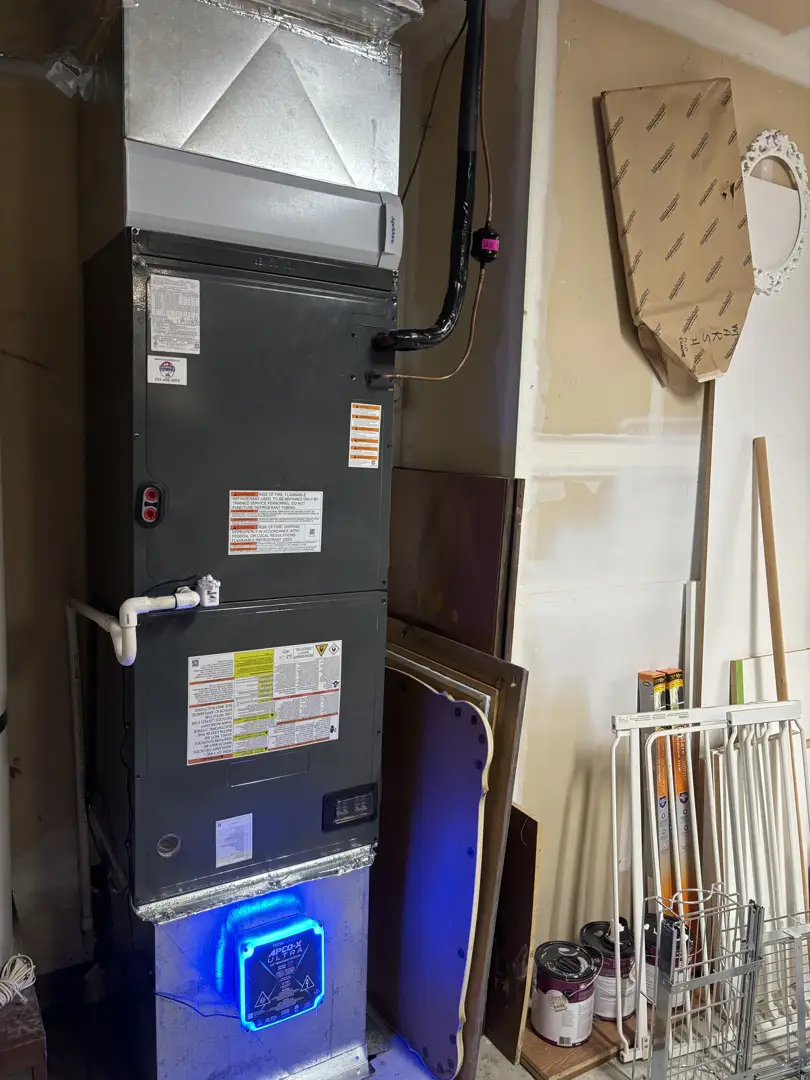
Vents and RegistersWalk through your home and ensure that at least 80% of your supply registers are open. Closing too many vents to "save energy" actually increases static pressure, which can damage your blower motor and reduce cooling efficiency. Also, check that large area rugs or pieces of furniture aren't covering the return air grilles. If your system is struggling with airflow despite a clean filter, it might be time for Heat Pump Repair Puyallup WA to check for ductwork leaks or obstructions.
Common Mechanical Failures in the Puget Sound Climate
If you’ve checked the power, the thermostat, and the filters, and you’re still asking why your heat pump not cooling in summer is what to check first in Western Washington, we need to look at the mechanical components. Our local environment — specifically the salt air near Gig Harbor and the heavy debris in wooded areas like Eatonville — can take a toll on these parts.
The Reversing Valve
The reversing valve is what makes a heat pump different from a standard air conditioner. It’s a four-way valve that changes the direction of the refrigerant. In the summer, it should slide into the "cooling" position. If the solenoid coil fails or the valve gets stuck, your heat pump might continue to blast hot air even when the thermostat is set to cool.
Diagnostic Tip: If you turn the thermostat to "Heat" and the system works perfectly, but it blows hot air in "Cool" mode, the reversing valve is almost certainly the culprit. This requires a professional to replace, as it involves cutting into the refrigerant lines.
Refrigerant Leaks
There is a common myth that heat pumps "use up" refrigerant like a car uses gas. This is false. A heat pump is a closed loop. If you are low on refrigerant, you have a leak.
In Western Washington, "formicary corrosion" can occur on indoor coils due to the high humidity and certain household cleaners, leading to microscopic pinhole leaks. Signs of a leak include:
• A hissing or bubbling sound near the unit.
• The large copper line (the suction line) is not cold to the touch.
• Ice buildup on the outdoor unit or the indoor coil.
• Rising energy bills as the system runs longer to compensate.
Marine Air and Cottonwood Debris
If you live near the water in Tacoma or Steilacoom, salt air can accelerate the corrosion of the aluminum fins on your outdoor unit. Furthermore, every June, cottonwood trees release fluffy seeds that act like a blanket, wrapping around your outdoor coils and suffocating the unit. If your outdoor coils look "fuzzy," gently spray them down with a garden hose (not a pressure washer!) to restore airflow. If the buildup is deep within the fins, you’ll need a professional Heat Pump Service Tacoma WA to perform a chemical coil cleaning.
Why your heat pump not cooling in summer what to check first in western washington includes frozen coils
It seems like a contradiction: how can a heat pump be frozen when it's 85 degrees outside in Enumclaw? This is a very common issue we see during the first hot week of the year.
The Thawing ProcessIf you see ice on the copper pipes leading to your outdoor unit or frost on the indoor cabinet, stop immediately. Turn the thermostat from "Cool" to "Off" and turn the Fan setting to "On." This will blow warm indoor air over the ice to melt it. Do not try to scrape the ice off, as you can easily puncture the delicate refrigerant lines.
Why did it freeze?
• Airflow Restriction: As mentioned, a dirty filter or a failing blower motor is the most common cause.
• Low Refrigerant: When refrigerant levels are low, the pressure drops, causing the temperature of the coil to fall below freezing.
• Dirty Coils: A layer of grime on the coils acts as insulation, preventing the refrigerant from absorbing heat properly.
If your system freezes up again after you’ve replaced the filter and let it thaw, you have a mechanical issue that requires Heat Pump Installation Eatonville WA expertise to diagnose, especially if the unit is older and prone to component failure.
When to Call a Professional HVAC Technician
While we encourage homeowners to handle basic maintenance, there are several situations where DIY troubleshooting becomes dangerous or illegal.
1. Refrigerant HandlingRefrigerant is a hazardous substance regulated by the EPA. It is illegal for anyone without an EPA Section 608 certification to purchase or handle refrigerant. If your system has a leak, it must be found, repaired, and the system must be evacuated before being recharged.
2. Electrical DiagnosticsHeat pumps use high-voltage electricity (240 volts) that can be fatal. If you have a failed start capacitor (a common summer failure that prevents the compressor from starting), testing it requires a multimeter and the knowledge of how to safely discharge the stored energy.
3. Strange Noises or Smells
• Grinding/Screeching: Indicates a failing bearing in the fan motor or compressor.
• Burning Smell: Points to electrical wiring issues or a motor winding burning out.
• Hissing: A clear sign of a high-pressure refrigerant leak.
If you encounter any of these, shut the system off at the breaker and call for Heat Pump Repair Olympia WA. Our technicians use specialized tools like manifold gauges and thermal cameras to find the root cause quickly without guessing.
Maximizing Reliability with Maintenance and Local Incentives
A properly maintained heat pump in Western Washington can last 15 to 18 years. However, neglect can cut that lifespan down to 10 years or less. Because our climate is damp, components like the defrost control board and the outdoor fan motor are under constant stress.
The Value of Seasonal Tune-UpsWe recommend a professional inspection twice a year: once in the spring before the cooling season and once in the fall before the heating season. During a cooling tune-up, we:
• Clear the condensate drain line (to prevent water damage).
• Check refrigerant pressures.
• Tighten electrical connections.
• Clean the outdoor condenser coils.
• Test the "Delta T" (the temperature difference between the air going in and coming out).
Rebates and IncentivesIf your system is nearing the end of its life, May 2026 is a great time to look at upgrades. Modern heat pumps are significantly quieter, operating at 50-60 decibels (about the volume of a quiet conversation).
Furthermore, local utilities like Seattle City Light offer rebates ranging from $300 to $600 for qualifying high-efficiency systems. When combined with federal tax credits for heat pump installations, upgrading to a high SEER2 (Seasonal Energy Efficiency Ratio) unit can be a very smart financial move. If you're in the market for an upgrade, our team can help you navigate these incentives while providing expert Heat Pump Repair Tacoma WA or replacement services.
Frequently Asked Questions about Heat Pump Cooling
Why is my heat pump blowing warm air when set to cool?
The most common reasons are a stuck reversing valve, a tripped breaker for the outdoor unit (so only the indoor fan is running), or a failed compressor capacitor. Check your breakers first; if the outdoor fan isn't spinning, it's likely an electrical or motor issue.
How often should I change my filters during a Washington summer?
In Western Washington, we recommend checking your filter once a month during the summer. If you live in a high-pollen area or have pets that shed, you may need to replace it every 30 days. At a minimum, never go longer than 90 days without a fresh filter.
What are the signs of a refrigerant leak in my heat pump?
The most obvious signs are poor cooling performance, ice buildup on the indoor or outdoor coils, and a distinctive hissing sound. You might also notice oily residue around the refrigerant line connections, as the oil that lubricates the compressor escapes along with the gas.
Conclusion
Dealing with a heat pump not cooling in summer is what to check first in Western Washington doesn't have to be a stressful experience. By following our systematic troubleshooting guide — starting with the thermostat, moving to power, and checking airflow — you can solve many common issues yourself.
However, when the problem involves the complex mechanical or electrical heart of your system, it’s best to trust the experts. At Eatonville Heating & Cooling, we are a family-owned business dedicated to keeping our neighbors across Pierce, Thurston, and King Counties comfortable. We pride ourselves on transparent service and technical expertise.
Whether you need a quick capacitor replacement in Spanaway or a full system installation in Yelm, we are here to help. Don't spend another day in a sweltering house. If your DIY checks didn't do the trick, contact us today for reliable Heat Pump Repair Eatonville WA and let us restore your home's comfort.
Recent Posts
Why Your System Blows Cold Air for the First Five Minutes of Heating Mode
Turning on your furnace on a chilly fall morning only to feel a freezing breeze is stressful. Find out if that initial blast of cold air is normal or a sign of trouble.
Evaluating Dual-Fuel Systems vs Standard Heat Pumps for Auburn Winters
Sub-freezing overnight temperatures force electric heat pumps to work harder. Explore the efficiency tipping point between standard electric and dual-fuel gas backups to choose the right system.
Upgrading Crawlspace Insulation in Lacey Before Heating Season Begins
Don't let your furnace work overtime just to heat the damp air beneath your floorboards. Upgrading your crawlspace insulation stops hidden heat loss and keeps your living room warm all winter long.
Planning Your Pre-Winter HVAC Tune-Up Schedule in Eatonville
The first fall freeze always triggers a scheduling panic for heating repairs. Booking your maintenance in September guarantees priority service when temperatures drop.
Planning Your Pre-Winter HVAC Tune-Up Schedule in Eatonville
The first fall freeze always triggers a scheduling panic for heating repairs. Booking your maintenance in September guarantees priority service when temperatures drop.
Securing Your AC Condenser Against Falling Leaves and Autumn Debris
Wet September leaves can trap moisture inside your outdoor base pan, causing rust and restricted airflow. See how clearing this debris protects your winter heating cycle.