



How to Clean Mini Split Filters Fast in 3 Steps
Why Knowing How Often to Clean Mini Split Filters in a Damp South Sound Environment Protects Your Home How often to clean mini split filters in a damp South Sound environment is something every local homeowner should kno
Why Knowing How Often to Clean Mini Split Filters in a Damp South Sound Environment Protects Your Home
How often to clean mini split filters in a damp South Sound environment is something every local homeowner should know — and the answer is more frequent than most people expect.
Quick Answer: Mini Split Filter Cleaning Frequency for South Sound Homes
The South Sound region is genuinely damp. Between the marine air rolling off Puget Sound, the long rainy seasons, and the persistent moisture that settles into homes across communities like Eatonville, mini split filters here face conditions that wear them down faster than in drier climates. Dirty filters in humid environments do not just reduce airflow — they become a breeding ground for mold and allergens. Research shows that neglected filters can cut system efficiency by up to 30% and quietly push your energy bills higher every month.
The good news? Staying ahead of it is simple when you know what to do.
I'm Matthew Percy, owner of Eatonville Heating & Cooling, and after years of servicing ductless systems throughout the Pacific Northwest, I've seen how how often to clean mini split filters in a damp South Sound environment directly impacts both system lifespan and indoor air quality for local families. Read on and I'll walk you through everything you need to keep your system running clean and efficient.
How often to clean mini split filters in a damp south sound environment
In a coastal or high-moisture area like the South Sound, the standard "check it once a season" advice simply doesn't cut it. For most residents in Tacoma, Puyallup, or Graham, we recommend cleaning your mini split filters every 2 to 4 weeks.
Why so often? Unlike central air systems that use thick, disposable pleated filters, mini splits use high-density permanent mesh filters. These are designed to catch particles right as the air enters the unit. Because the unit is located directly in the room it serves, it processes a high volume of local dust, pet dander, and, most importantly, moisture.
Regularly tending to these filters is the single most effective way to protect your Indoor Air Quality. When filters are clogged, the system has to work significantly harder to pull air through the mesh. This "strain" doesn't just increase your utility bill; it can lead to the evaporator coils freezing over or the system short-cycling, which eventually leads to expensive component failures.
Why humidity dictates how often to clean mini split filters in a damp south sound environment
Humidity is the "silent clogger" of HVAC systems in Western Washington. In a damp environment, the dust trapped on your filter doesn't stay dry and fluffy. Instead, it absorbs moisture from the air, becoming a heavy, sticky paste that bonds to the mesh.
This creates two major problems:
1. Spore Accumulation: High humidity provides the perfect environment for mold spores to take root in that damp dust. Once mold starts growing on the filter, your mini split begins "seeding" your room with spores every time it turns on.
2. Coil Sludge: If filters aren't cleaned, fine particles bypass the mesh and settle on the cold, damp evaporator coils. This creates a "bio-sludge" that can block the drainage pan and lead to water leaking down your walls.
For homeowners concerned about health, keeping up with Air Filtration Tacoma WA means recognizing that moisture turns simple dust into a biological hazard.
Seasonal impacts on how often to clean mini split filters in a damp south sound environment
As we move through May 2026, we are entering a prime "clogging season." In the South Sound, the transition from late spring to early summer brings a double whammy of high pollen counts and rising humidity.
• Spring/Summer: Pollen and outdoor allergens are at their peak. If you suffer from hay fever, you may need to clean your filters every week to keep your home a safe haven.
• Winter: While the air is colder, our "Rainier" winters mean indoor humidity often spikes as we dry clothes indoors or keep windows tightly shut. Mini splits running in heating mode still circulate this moist air, requiring a steady 3-4 week cleaning interval.
If you find that your home's air still feels "heavy" or dusty even after cleaning the filters, it might be time to look into a more robust solution like Air Purifier Installation Eatonville WA to supplement your ductless system.
Critical Signs Your Mini Split Filters Need Cleaning
Sometimes the calendar isn't the best guide — your system will tell you when it’s struggling. If you notice any of the following, drop what you're doing and check those filters:
• The "Dirty Sock" Smell: This is the most common complaint in damp climates. If a musty, mildew-like odor comes from the vents, mold is likely growing on the filter or the internal blower wheel.
• Weak Airflow: If you have to crank the fan to "High" just to feel a breeze, the filters are likely choked with debris.
• Rising Energy Bills: If your May 2026 bill is 20% higher than last year without a change in usage, your system is likely fighting a losing battle against a dirty filter.
• Unusual Noises: A high-pitched whistling or "wheezing" sound often indicates the fan is trying to suck air through a blocked intake.
• Ice on the Coils: If you open the front cover and see frost or ice, stop the unit immediately. This usually happens because restricted airflow has caused the internal temperature to drop too low.
3 Steps to Clean Your Mini Split Filters Fast
Cleaning your filters doesn't have to be a Saturday-long project. In fact, it should take less than 10 minutes. Here is the fast-track method we recommend to our customers in Lacey and Olympia:
Step 1: Power Down and AccessAlways turn off the unit using the remote first, then flip the dedicated breaker or safety switch if accessible. This prevents the unit from sucking in unfiltered dust while you have the guts exposed. Gently lift the front panel of the indoor air handler. It should click into a locked, open position.
Step 2: Remove and VacuumYou will see two (or more) mesh screens. Slide them out carefully. Before getting them wet, use a vacuum with a soft brush attachment to remove the "heavy" layer of dust. This prevents the dust from turning into mud when you rinse it.
Step 3: Wash, Dry, and ReplaceTake the filters to a sink or use a garden hose on a gentle setting. Use lukewarm water and a drop of mild dish soap. Do not use harsh chemicals or scrub with abrasive pads, as this can tear the delicate mesh.
• Crucial Step: In our damp climate, you must let the filters air dry completely before putting them back. Reinstalling a damp filter is a recipe for instant mold growth. Once dry, slide them back in, snap the cover shut, and restore power.
The Benefits of Regular Filter Maintenance in Washington
Living in the South Sound means we rely on our heat pumps for both heating and cooling. Regular maintenance is the "oil change" of your HVAC system.
By staying on top of your filters, you ensure HVAC Maintenance Tacoma WA is a breeze. Consistent cleaning leads to:
• Lower Utility Costs: A clean system can be up to 15% more efficient than a dirty one.
• System Longevity: Mini splits are designed to last 12-15 years, but only if the compressor isn't overworked by restricted airflow.
• Comfort Consistency: No more "hot spots" or "cold spots" because the air handler can actually throw the air across the room.
For those in the more rural areas like Yelm or Eatonville, where dust from gravel roads and pollen from Douglas firs are common, Heating Maintenance Eatonville WA is essential to prevent winter breakdowns when the snow starts to fall on the foothills.
When to Call a Professional for Ductless Service
While cleaning the mesh filters is a DIY task, it is only one part of the equation. In a damp environment, the "deep" parts of the system — the parts you can't reach — need professional attention at least once a year.
You should call us for a professional tune-up if:
1. The smell persists: If you’ve cleaned the filters but the musty odor remains, mold has likely moved into the blower wheel or the deep recesses of the coils. We use specialized "wet bags" and pressurized cleaners to deep-wash the unit without making a mess in your home.
2. The drain line is clogged: If you see water dripping from the indoor unit, the condensate line is likely backed up with algae or "slime." We can flush this out safely.
3. Outdoor unit issues: The outdoor condenser needs to be cleared of debris, and the coils should be inspected for salt-air corrosion (especially if you're near the water in Gig Harbor) or lawn clippings.
4. Efficiency drop: If the air coming out isn't as cold (or hot) as it used to be, we need to check refrigerant levels and electrical connections.
Scheduling an annual visit through our Maintenance Plan is the best way to ensure your system survives the damp Pacific Northwest climate for years to come.
Frequently Asked Questions
Can I run my mini split without the filters?
Absolutely not. Running the unit without filters, even for a few hours, allows dust, hair, and moisture to coat the evaporator coils and the blower wheel. Once these internal components are coated, they are much harder and more expensive to clean than a simple mesh filter.
Does the self-cleaning mode replace manual filter washing?
No. Many modern units have a "self-clean" or "dry" mode that runs the fan after the cooling cycle to dry out the internal coils. This is great for preventing mold, but it does nothing to remove the physical dust and debris trapped in your mesh filters. You still need to manually wash them every 2-4 weeks.
How long do permanent mini split filters last?
If handled gently, the permanent mesh filters can last the entire lifespan of the unit (10-15 years). However, they can become brittle over time or tear if scrubbed too hard. If you see holes or the frame is warped, it’s time to order a replacement to ensure no debris bypasses the filtration system.
Conclusion
Understanding how often to clean mini split filters in a damp South Sound environment is the key to a comfortable, healthy home. In our corner of Washington, the combination of marine moisture and seasonal allergens means your ductless system works hard to keep your air breathable. By spending just 10 minutes every few weeks on basic filter care, you protect your investment and your family's health.
At Eatonville Heating & Cooling, we’re proud to be a family-owned team serving our neighbors from Tacoma to Yelm. We believe in quality work and honest advice. If your mini split needs more than a quick filter rinse, or if you're ready to schedule your annual deep clean, we're here to help.
Keep your air clean, your bills low, and your home comfortable. If you have questions about your specific system or want to ensure your unit is ready for the upcoming season, reach out to us today!
Recent Posts

Adapting Yelm Wood-Framed Homes for Modern Central Air
Adding central air to an older wood-framed home takes careful planning. See how attic framing, ductwork and wiring shape a safe, effective upgrade.
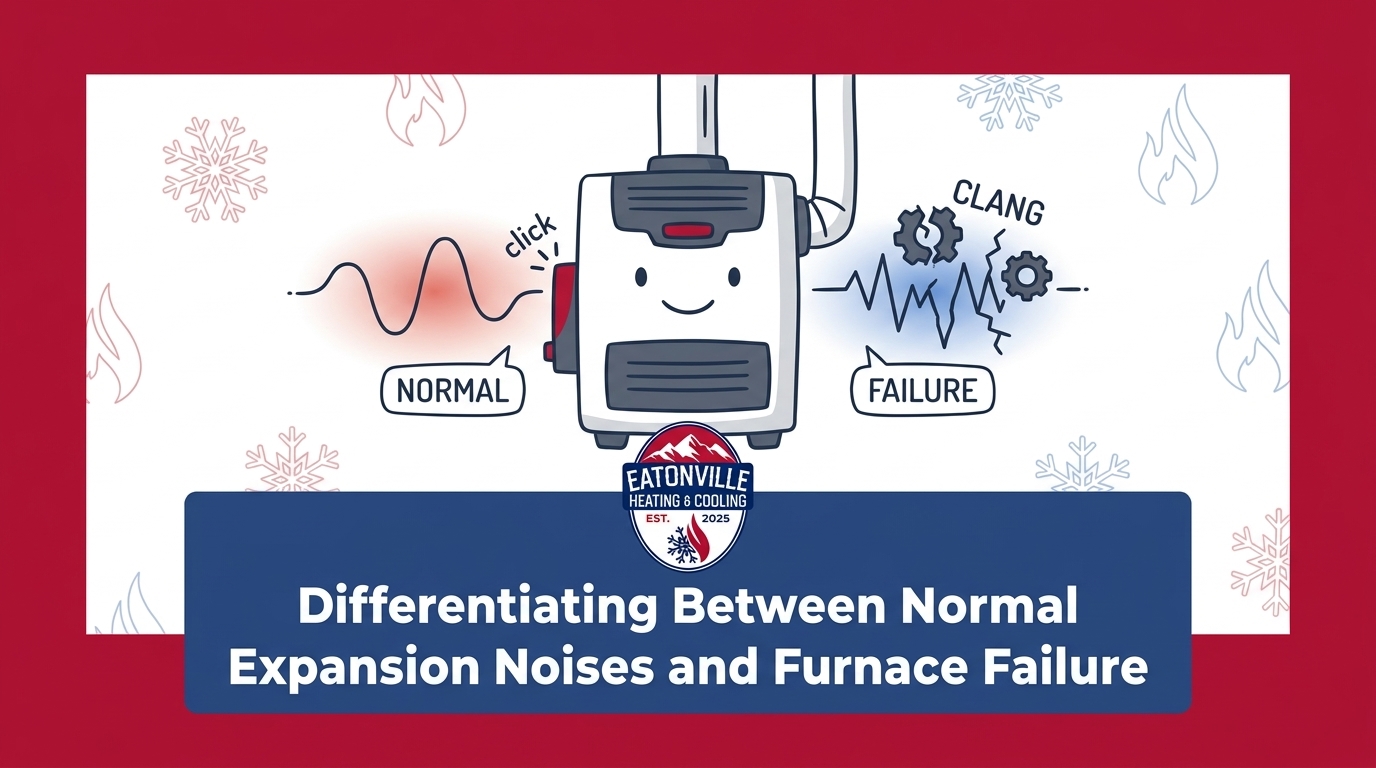
Differentiating Between Normal Expansion Noises and Furnace Failure
Hearing a loud bang on the first chilly fall morning can be terrifying. Decide with confidence whether to let the system run or shut it down for emergency service.
How Federal Way's Fall Humidity Affects Indoor Air Quality
The transition to damp autumn weather creates a tricky shoulder season for your HVAC system. Without the AC running, ambient moisture gets trapped inside. See how to manage ventilation.
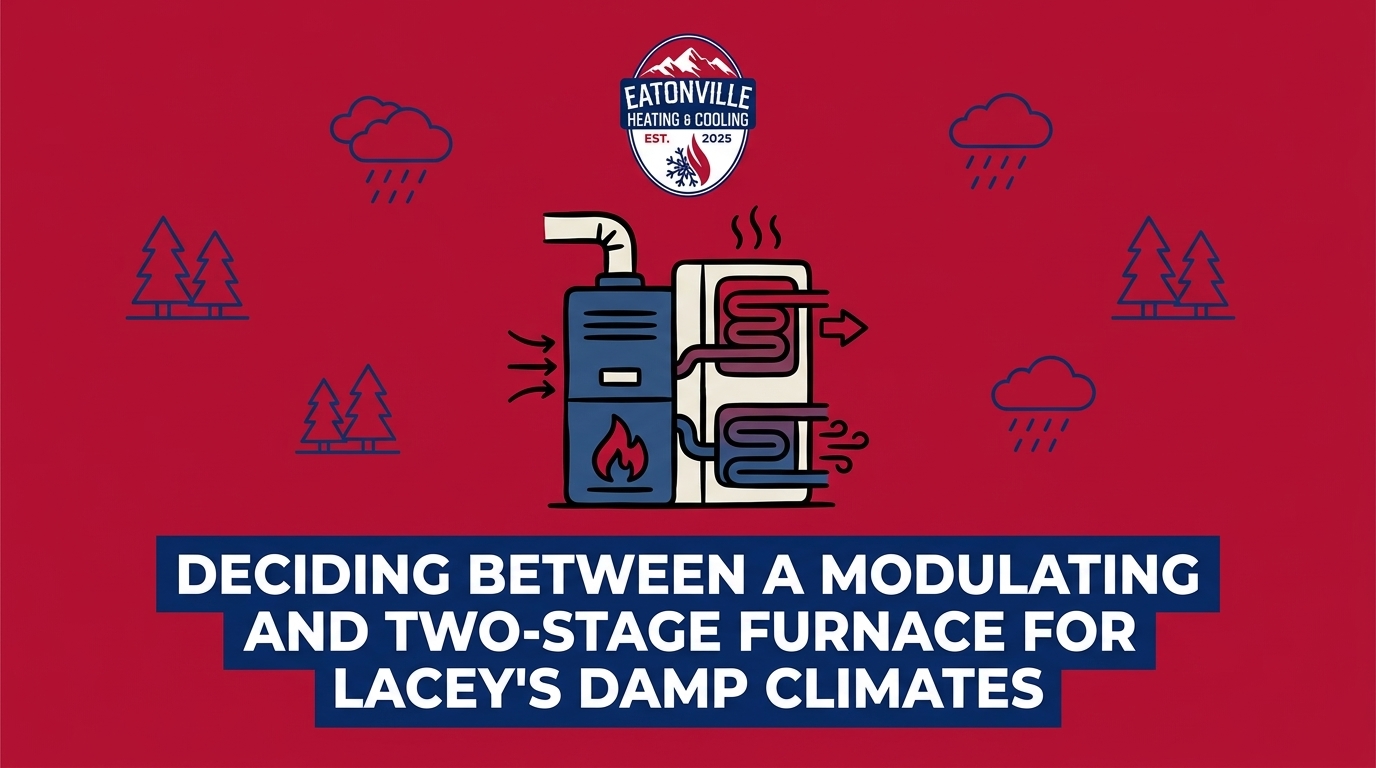
Deciding Between a Modulating and Two-Stage Furnace for Lacey Climates
Upgrading your heating system before the damp winter hits? Find out whether the precise comfort of a modulating unit or the reliability of a two-stage system fits your home.

What a Comprehensive Fall Furnace Inspection Actually Entails
A professional heating tune-up requires much more than a basic filter change. We pull back the curtain on the exact electrical and combustion tests that prevent winter breakdowns.
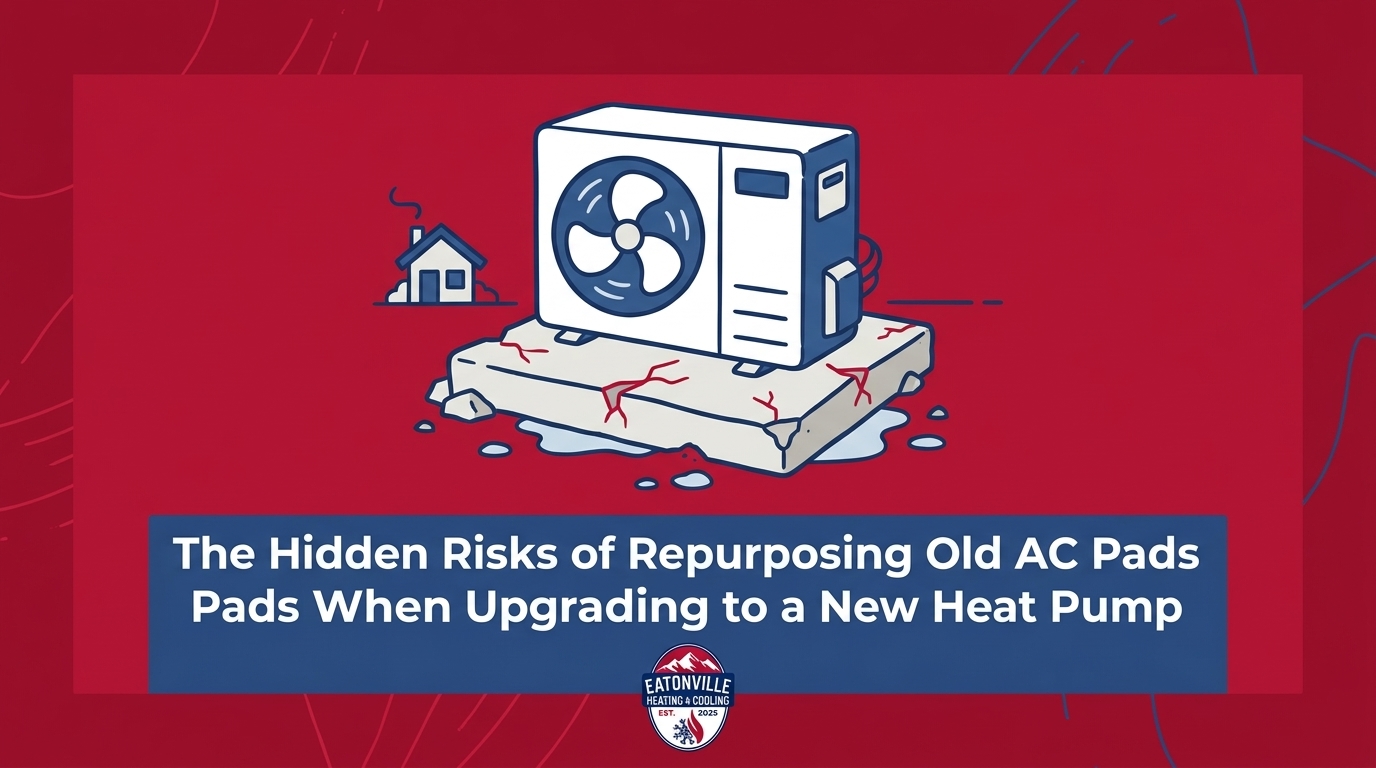
Repurposing Old AC Pads When Upgrading to a New Heat Pump
Preparing for a fall system upgrade? Reusing a sunken 1990s concrete base can cause poor drainage and oil starvation for modern equipment—see why leveling matters.