

In Depth Guide to How Spring Pollen Affects Indoor Air Quality in Western Washington
Why How Spring Pollen in Western Washington Affects Indoor Air Quality Is a Bigger Problem Than You Think How spring pollen in Western Washington affects indoor air quality is one of the most underestimated home comfort
Why How Spring Pollen in Western Washington Affects Indoor Air Quality Is a Bigger Problem Than You Think
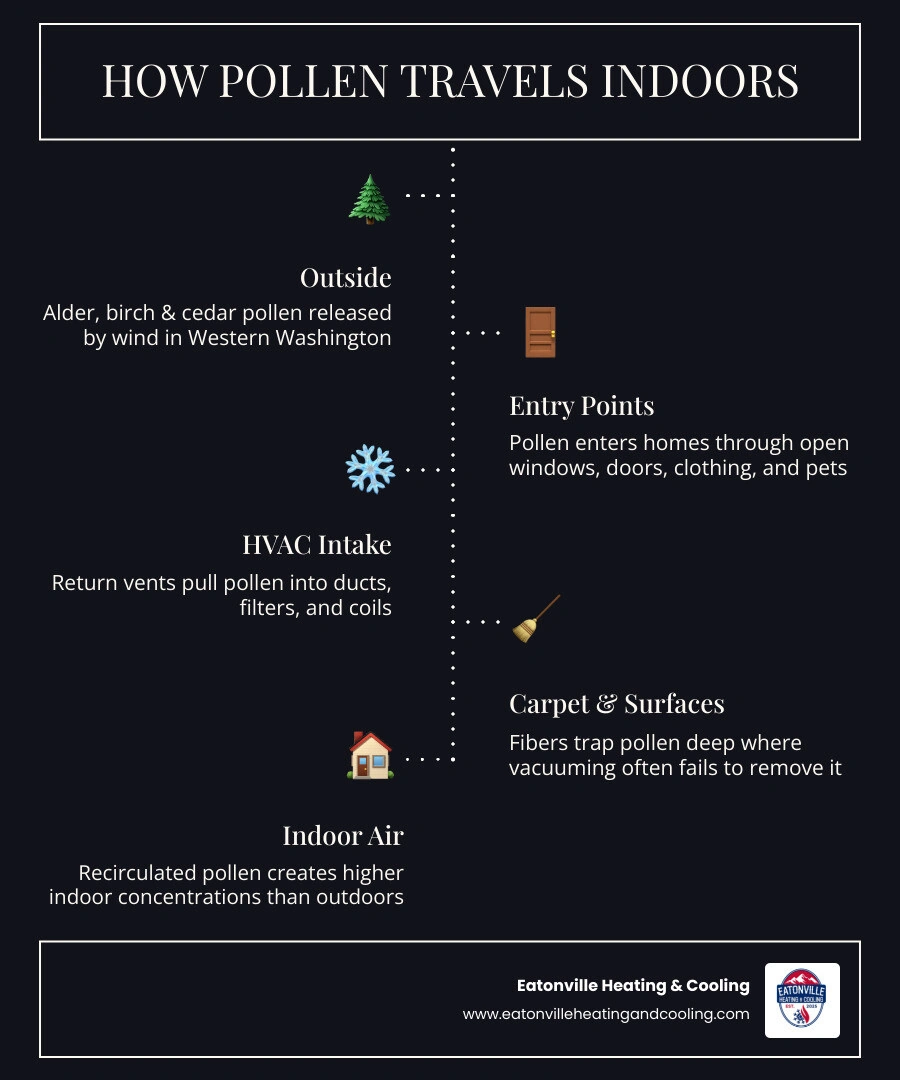
How spring pollen in Western Washington affects indoor air quality is one of the most underestimated home comfort issues in the region. Most people think of allergies as an outdoor problem — but once pollen enters your home, it settles into carpets, recirculates through your HVAC system, and lingers for months. Here's a quick overview of what's happening inside your home every spring:
• Pollen enters through open windows, doors, clothing, and pets — and accumulates fast
• HVAC systems pull pollen-laden air through return vents, trapping it on filters and coils
• Carpets and rugs act like filters, holding pollen deep in their fibers where vacuuming can't reach
• Indoor air can actually be more polluted than outdoor air when ventilation is limited and pollen builds up
• Symptoms like sneezing, sinus pressure, brain fog, and poor sleep can all be tied to indoor pollen exposure
• Western Washington's pollen season is getting longer — starting about 20 days earlier than it did 30 years ago
The result? Even homeowners who stay inside during high-pollen days are still breathing pollen-contaminated air.
I'm Matthew Percy, owner of Eatonville Heating & Cooling, and after years of helping Western Washington homeowners improve their indoor comfort, I've seen how understanding how spring pollen in Western Washington affects indoor air quality can make a real difference in how you feel at home — and how well your HVAC system performs all season long.
The Science Behind How Spring Pollen in Western Washington Affects Indoor Air Quality
To truly understand how seasonal transitions impact your home, we have to look at the unique biological and meteorological factors of the Pacific Northwest. In our region, tree pollen season kicks off the annual allergy surge, dominated by alder, birch, and cedar trees. Alder and birch trees make up the vast majority of tree pollens in Western Washington. (And despite those beautiful pink petals lining the streets of cities like Tacoma, Puyallup, and Olympia, cherry blossoms are not actually responsible for your seasonal allergies!)
Once tree pollen begins to taper off in late May, grass pollen takes over, keeping the cycle going well into July. In fact, while Seattle ranks 45th overall in the Asthma and Allergy Foundation of America’s Allergy Capitals rankings, it holds the third-highest grass pollen score of all the cities analyzed. This means our spring and early summer seasons are incredibly intense for anyone sensitive to airborne particles.
Pollen grains are designed for wind dispersal, which means they are light, microscopic, and travel incredible distances on a breezy spring day. But what happens when they land on your home?
Pollen is highly hygroscopic, meaning it acts like a microscopic sponge, absorbing moisture from our humid Puget Sound air. When pollen settles on your home's exterior surfaces, this moisture absorption creates a chemical bond. Instead of washing away with our frequent spring rains, the pollen layer actually bonds to surfaces. This bonded layer is easily disturbed by outdoor activity, wind, or foot traffic, turning a settled outdoor nuisance into an airborne indoor threat.
When we track this microscopic dust into our living spaces, it directly degrades our Indoor Air Quality, transforming our safe havens into concentrated allergy zones.
How Spring Pollen in Western Washington Affects Indoor Air Quality via HVAC Systems
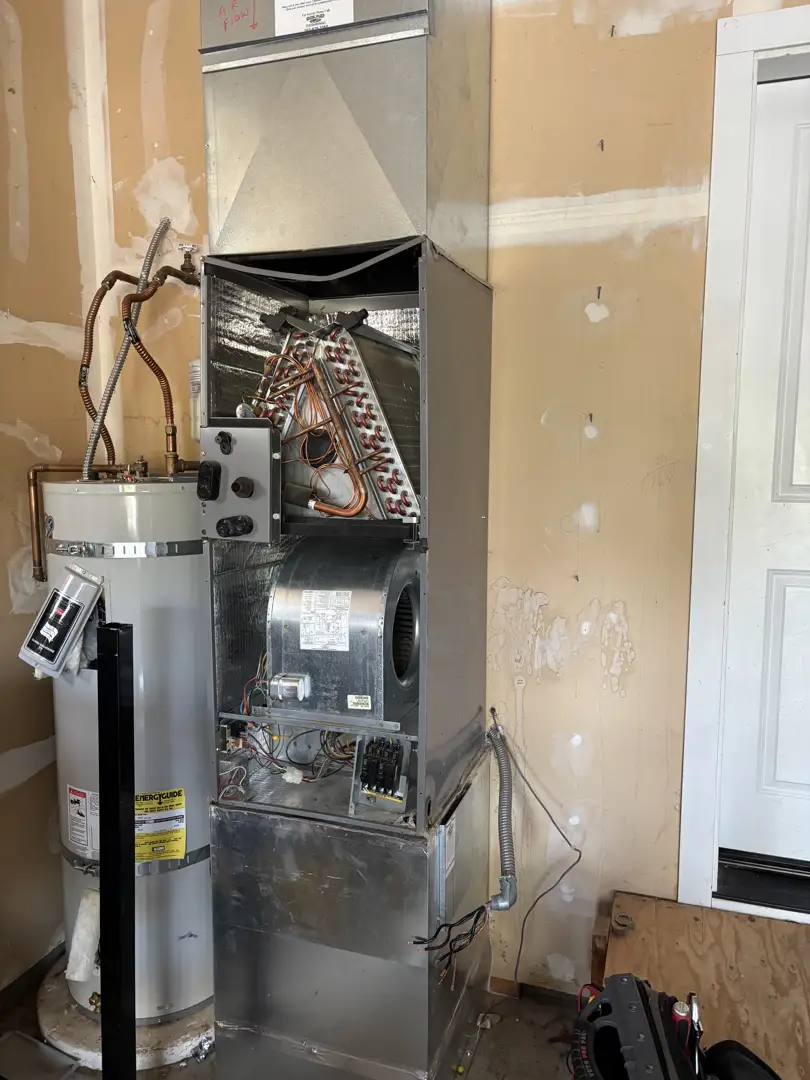
Your heating and air conditioning system is the lungs of your home. It works by pulling air from your living spaces through return vents, passing it through a filter, heating or cooling it, and circulating it back through your rooms. During peak spring pollen weeks, this continuous cycle can work against you if your system isn't properly maintained.
As the HVAC system draws air in, it pulls millions of microscopic pollen grains along with it. This leads to several immediate issues:
1. Rapid Filter Clogging: Standard air filters that are designed to last up to 90 days can easily clog in as little as 30 days during heavy pollen periods.
2. Reduced Airflow and System Strain: A clogged filter restricts airflow. This forces your blower motor to work significantly harder, which increases your monthly energy bills and accelerates wear and tear on your equipment.
3. Coil Contamination: If a filter becomes overloaded or doesn't fit perfectly, pollen bypasses it and settles directly onto your indoor evaporator coils. Pollen combines with the condensation on the coils, creating a sticky, dusty film. This film restricts heat transfer, forces your system to run longer cycles, and can eventually lead to system failure.
Regular upkeep is essential to prevent this. Scheduling professional AC Maintenance Tacoma WA before the peak of the season ensures your coils are clean, your airflow is balanced, and your system is prepared to filter out airborne allergens rather than recirculating them.
How Spring Pollen in Western Washington Affects Indoor Air Quality in Sealed Homes
When the sun finally breaks through the clouds in April and May, the natural instinct for many homeowners in Puyallup, Federal Way, or Gig Harbor is to crack open the windows to let in that "fresh" spring breeze. Unfortunately, that fresh breeze is loaded with millions of active pollen spores.
Once inside, pollen doesn't remain suspended in the air forever. Gravity eventually pulls it down onto your furniture, countertops, and especially your floors. Carpets and area rugs act like giant, static-charged filters. They trap and hold microscopic particles deep within their fibers.
Every time a family member walks across the room, or a pet settles down for a nap, those embedded pollen grains are kicked back up into your breathing zone. This creates a continuous cycle of exposure, even when your windows are firmly shut.
Furthermore, spring is prime shedding season for our pets. When sticky pollen bonds with airborne pet dander, it creates heavier, highly allergenic compounds that settle into your soft furnishings. Without targeted air filtration and deep cleaning, the air inside a sealed, energy-efficient modern home can actually hold a higher concentration of allergens than the air outside.
Health Impacts of Pollen-Heavy Indoor Air
According to the Centers for Disease Control (CDC), more than 25 percent of adults and nearly 20 percent of children suffer from seasonal allergies. When pollen sneaks indoors, it doesn't just cause temporary sniffles; it can significantly impact your family's daily comfort, health, and productivity.
Breathing in pollen-heavy indoor air triggers a range of physical symptoms. For many, it manifests as allergic rhinitis (commonly known as hay fever), leading to persistent sneezing, congestion, runny noses, and red, itchy, or watery eyes. For individuals living with respiratory conditions, the consequences are much more severe. Indoor pollen is a primary trigger for asthma attacks, causing airway inflammation, wheezing, and shortness of breath.
Beyond the immediate respiratory symptoms, poor indoor air quality takes a toll on your overall well-being. Continuous exposure to allergens keeps your immune system in a state of constant low-grade alarm. This often results in sinus pressure, persistent headaches, and "brain fog" that makes it difficult to focus on work or school.
It also severely disrupts sleep. Nasal congestion forces you to breathe through your mouth, leading to dry mouth, throat irritation, and frequent nighttime awakenings.
High Tree Pollen CountsActive Grass PollenHigh Humidity & Rain ReboundsPet Shedding CyclesClimate Change and the Worsening PNW Pollen Seasons
If you feel like your seasonal allergies are getting worse every year, you aren't imagining things. Climate change is actively reshaping the natural life cycles of plants in Western Washington, creating longer, more intense pollen seasons.
Data shows that compared to 30 years ago, the pollen season in Washington is starting 20 days earlier and lasting for almost a month longer. A recent analysis by Climate Central specifically highlighted that the allergy season in the Seattle-Tacoma area has lengthened by about 12 days since 1970.
This shift is driven by a few key environmental factors:
• More Freeze-Free Days: Compared to the early 1970s, the Pacific Northwest now sees an average of 31 more "freeze-free days" every year. Without a prolonged winter freeze, plants and trees can begin their growing cycles much earlier in the year.
• Increased Carbon Dioxide Levels: Rising CO2 levels act like a fertilizer for plants. It encourages faster growth and prompts trees to produce significantly more pollen than they did in the past. In fact, scientists predict there will be eight times as much birch pollen in our region by the end of the century.
• Weather Extremes: Intense spring rainstorms temporarily wash pollen out of the air, but they also saturate the soil. As soon as the sun comes back out, the plants respond to that moisture boost by releasing massive, highly concentrated bursts of pollen into the air.
For homeowners in communities like Auburn, Lacey, and Spanaway, this means the window of relief between winter dampness and summer pollen is shrinking rapidly. Managing your indoor air quality is no longer just a spring chore—it's a year-round priority.
Practical Steps to Mitigate Indoor Pollen and Improve Air Quality
While you can't control the pollen counts across Western Washington, you have complete control over the environment inside your home. By adopting a few targeted daily habits, you can dramatically reduce the volume of pollen that settles into your living spaces.
• Practice Smart Window Management: Keep your windows closed during peak pollen hours, which typically occur in the morning and on warm, windy days. Rely on your HVAC system to keep your home cool and ventilated instead.
• Set Up a Transition Zone: Establish a "no-shoes" policy at your entryway to prevent tracking pollen across your hard floors and carpets. Keep a clothes hamper near the door, and change out of your outdoor clothes when you return home after spending time outside.
• Wipe Down Your Pets: Dogs and outdoor cats are like mobile pollen magnets. Keep a damp towel near the door to wipe down their paws and fur every single time they come inside. Regular baths during peak spring weeks will also help keep dander and pollen levels low.
• Vacuum and Dust Strategically: Vacuum your carpets at least twice a week using a vacuum equipped with a certified HEPA filter. Dust hard surfaces with a damp microfiber cloth rather than a dry duster, which simply flings pollen back into the air.
• Utilize Exhaust Fans: Run your bathroom and kitchen exhaust fans to help pull airborne particles out of your home, especially after cooking or showering.
Professional HVAC and Air Purification Solutions
While daily cleaning habits are incredibly helpful, microscopic pollen grains are often too small to be captured by standard household cleaning tools. To truly cleanse your indoor air, you need professional-grade filtration and purification solutions.
Upgrading your home’s air filtration is one of the most effective steps you can take. Standard flat fiberglass filters are only designed to protect your HVAC equipment from large dust bunnies—they do almost nothing to clean the air you breathe.
By upgrading to a media filter with a higher MERV (Minimum Efficiency Reporting Value) rating, you can capture a massive percentage of airborne allergens. For maximum protection, a whole-house HEPA filtration system can capture up to 99.97% of particles as small as 0.3 microns, including pollen, mold spores, and bacteria.
A 2018 study from the National Library of Medicine confirmed that air purification systems can effectively reduce allergy symptoms when used consistently. At Eatonville Heating & Cooling, we specialize in tailoring these solutions to fit your home's unique layout and your family's health needs.
Whether you are looking for a high-efficiency Air Filtration Eatonville WA, a dedicated Air Purifier Installation Eatonville WA, or professional Air Purifier Installation Auburn WA, our team is here to help you breathe easier.
The Role of Ventilation and Regular Maintenance
Modern homes are built tight to conserve energy, but this tight construction also means that stale, pollen-heavy indoor air gets trapped inside. That is where mechanical ventilation comes in. Systems like Heat Recovery Ventilators (HRVs) or Energy Recovery Ventilators (ERVs) pull fresh air from the outside, filter it thoroughly to remove pollen and dust, and distribute it throughout your home while exhausting stale indoor air.
If you want to ensure your home has a healthy balance of fresh, clean air, our team can design and install a custom system through our Ventilation Service Tacoma WA.
Additionally, keeping up with routine maintenance is vital for both your comfort and your wallet. Over time, pollen, dust, and pet hair build up inside your ductwork and on your system’s internal components. This buildup restricts airflow, forcing your system to consume more energy to keep your home comfortable.
To learn more about how routine care keeps your system running at peak performance, check out our guide on How Regular AC Maintenance Protects Your System and Your Budget.
Frequently Asked Questions About Western Washington Pollen
How often should I change my HVAC filter during spring pollen season?
During the peak of the spring pollen season (typically April through June), we highly recommend checking your air filter every 30 days. While some high-capacity media filters can last up to six months under normal conditions, the heavy pollen loads in Western Washington can clog a standard filter in just 4 to 6 weeks.
Replacing your filter regularly prevents system strain, maintains healthy airflow, and keeps your indoor air clean.
Do houseplants help filter out spring pollen?
While houseplants are a wonderful addition to your home decor and can absorb trace amounts of certain gaseous pollutants, they are not a viable solution for filtering out heavy particulate matter like pollen.
Houseplants lack the active airflow and specialized filtration media required to pull microscopic allergens out of the air. They should be viewed as a visual complement to your home, not a replacement for high-quality HVAC filtration or a dedicated air purifier.
Why are my allergies worse inside my home than outside?
If your allergy symptoms spike when you are indoors, it is usually because your home has become a reservoir for trapped allergens. Outside, pollen is constantly dispersed by wind and diluted by the vast atmosphere. Inside, however, pollen settles deep into carpets, rugs, and upholstered furniture.
Without proper filtration, your HVAC system simply recirculates these settled particles through your rooms, creating a highly concentrated environment of continuous allergen exposure.
Conclusion
Understanding how spring pollen in Western Washington affects indoor air quality is the first step toward reclaiming your home's comfort and protecting your family's health. While our region's allergy seasons are growing longer and more intense, you don't have to suffer through the spring months. By combining smart daily habits with professional filtration and purification solutions, you can create a clean, healthy, and pollen-free sanctuary inside your home.
At Eatonville Heating & Cooling, we are proud to be a family-owned HVAC company dedicated to keeping our neighbors comfortable across Eatonville, Tacoma, Puyallup, Auburn, and the surrounding communities. We focus on quality, customer satisfaction, and reliable service to ensure your home remains a safe, comfortable haven all year long.
If you are ready to upgrade your home's comfort and conquer seasonal allergies, explore our professional Indoor Air Quality services today, or reach out to our friendly team to schedule your personalized home air evaluation!
Recent Posts

Adapting Yelm Wood-Framed Homes for Modern Central Air
Adding central air to an older wood-framed home takes careful planning. See how attic framing, ductwork and wiring shape a safe, effective upgrade.
Differentiating Between Normal Expansion Noises and Furnace Failure
Hearing a loud bang on the first chilly fall morning can be terrifying. Decide with confidence whether to let the system run or shut it down for emergency service.
How Federal Way's Fall Humidity Affects Indoor Air Quality
The transition to damp autumn weather creates a tricky shoulder season for your HVAC system. Without the AC running, ambient moisture gets trapped inside. See how to manage ventilation.
Deciding Between a Modulating and Two-Stage Furnace for Lacey Climates
Upgrading your heating system before the damp winter hits? Find out whether the precise comfort of a modulating unit or the reliability of a two-stage system fits your home.
What a Comprehensive Fall Furnace Inspection Actually Entails
A professional heating tune-up requires much more than a basic filter change. We pull back the curtain on the exact electrical and combustion tests that prevent winter breakdowns.
Repurposing Old AC Pads When Upgrading to a New Heat Pump
Preparing for a fall system upgrade? Reusing a sunken 1990s concrete base can cause poor drainage and oil starvation for modern equipment—see why leveling matters.