



The Danger Behind the "Too Good to Be True" Estimate
A common misconception is that the lowest bid on a home improvement project is always a win, but ignoring the red flags to watch for when reviewing an HVAC installation quote can cost you dearly in the long run. When your current cooling system fails during the August late-summer heat—right as you are trying to manage the busy back-to-school transition—desperation often sets in. At Eatonville Heating & Cooling, we see this panic every year. You want your home comfortable again as quickly as possible, making it incredibly tempting to sign the first affordable contract that lands in your inbox. However, evaluating a proposal for a new Air Conditioning system requires looking closely for what is missing just as much as what is included.
The danger behind a suspiciously low estimate usually lies in "invisible line items." These are crucial components, safety upgrades, and compliance steps that low-bid contractors intentionally omit to artificially deflate their initial price. By leaving these vital steps off the paperwork, they create the illusion of a bargain. In reality, they are simply shifting the legal, financial, and safety liabilities directly onto your shoulders.
To protect your home and your wallet, you need to know exactly what a comprehensive AC installation should entail. When a contractor skips mandatory permits, reuses degraded electrical wiring, or guesses at your equipment sizing, that low upfront price quickly transforms into expensive repairs, code violations, and premature system failure. Here is an insider's look from our team at the critical details you must verify before signing any contract.
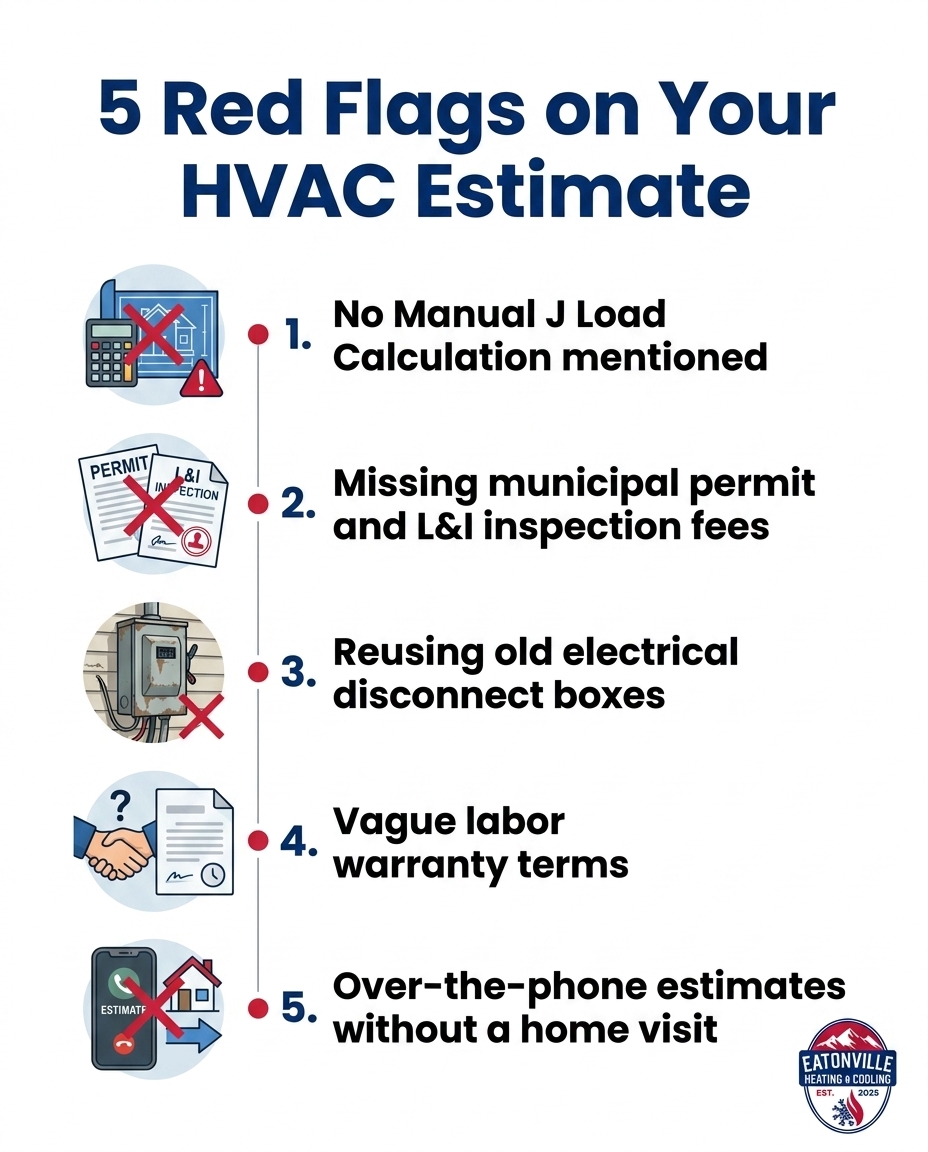
Missing Manual J Load Calculations
One of the most glaring warning signs on any estimate is the absence of a proper load calculation. The industry standard for determining exactly what size equipment your home needs is called a Manual J load calculation. This rigorous process evaluates your home's square footage, ceiling height, window quality, insulation levels, and even the direction your house faces. A professional estimate must explicitly include the time and labor required to perform this crucial measurement.
Rushed contractors often skip this step entirely, relying instead on a "rule of thumb" based purely on square footage. This guesswork is a massive gamble with your indoor comfort and the lifespan of your new equipment. In one real-world scenario our technicians recently encountered here in Eatonville, a local homeowner struggled because their previous system did not adequately cool the home during late-summer heat waves. After our team performed a proper evaluation rather than a guess, they received a correctly sized high-efficiency system, and now their home is comfortably conditioned year-round.
The Risks of Guesswork
When contractors guess at sizing, you end up with equipment that is either too large or too small for your actual needs. Both scenarios create significant problems for your daily comfort.
• Oversized systems: A unit that is too large will "short-cycle," meaning it turns on, blasts the house with cold air, and shuts off before it has a chance to properly dehumidify the indoor air. This leaves your home feeling clammy, cold, and uncomfortable.
• Undersized systems: A unit that is too small will run constantly without ever reaching your desired thermostat setting. This drives up your energy bills and causes the compressor to burn out years before its time.
Adapting to Extreme Weather
Historical climate data is no longer sufficient for sizing modern cooling systems. With increasingly severe late-summer heat domes in the region, our installation experts know that precise load calculations are absolutely non-negotiable. A system designed using outdated rules of thumb simply will not keep up when August temperatures spike into the upper nineties. Modern Manual J calculations account for these peak summer extremes, ensuring your equipment has the capacity to maintain indoor comfort during the most demanding weather conditions.
• Rule of Thumb — Contractor Effort: Guesses based on square footage only. — Result for Homeowner: High risk of short-cycling, poor humidity control, and premature failure.
• Manual J Calculation — Contractor Effort: Measures windows, insulation, layout, and solar heat gain. — Result for Homeowner: Perfectly sized equipment, optimized energy usage, and consistent comfort.
The Omission of Local Permits and Inspections
Reputable quotes always include specific line items for pulling the necessary municipal permits. If you do not see a permit fee listed on your estimate, you should immediately ask why. As an experienced contractor serving Eatonville WA and Pierce County, we know firsthand that specific electrical and mechanical permits are legally required for HVAC replacements. These permits trigger independent inspections by city or county officials to verify that the work meets all current safety codes.
When a contractor suggests skipping the permit to "save you money" or "speed up the timeline," they are actually protecting themselves from oversight. Unpermitted work shifts the liability entirely to you. If a fire or structural issue occurs due to improper installation, your homeowner's insurance may deny the claim. Furthermore, unpermitted mechanical work can severely complicate future real estate transactions, often forcing you to pay code enforcement fines and hire a new contractor to bring the system up to code before you can sell your home.
Washington State L&I Requirements
State-level regulations add another layer of necessary compliance. Washington State Department of Labor & Industries (L&I) requires strict electrical safety inspections for new circuits and disconnects. A missing permit line item is a major red flag we frequently warn our customers about. It indicates that the company is either unlicensed to perform the electrical portion of the work or is intentionally avoiding state safety inspectors. Always demand that L&I electrical permits and local mechanical permits are documented in writing before work begins.
Ignoring Electrical Disconnects and Safety Upgrades
Every outdoor condensing unit requires an electrical disconnect box mounted on the exterior wall nearby. This safety switch allows technicians to immediately cut high-voltage power to the unit during maintenance or emergency situations. Because these boxes are exposed to the elements year-round, the internal components degrade, rust, and lose their safety ratings over time.
A classic tactic used to lower an initial bid is planning to reuse the old, potentially degraded disconnect box and the existing high-voltage whip (the conduit carrying the wires). Our crews routinely replace these components because modern, high-efficiency equipment often requires updated electrical infrastructure to operate safely. Whether you are scheduling an end-of-season cooling upgrade or preparing for a heating installation, these safety upgrades must be documented in the initial estimate.
Check your quote for these critical electrical line items:
• New exterior disconnect box: Ensures the safety switch meets current codes and handles the specific amperage of your new unit.
• New electrical whip: Replaces brittle, sun-baked conduit and wiring between the disconnect and the unit.
• Proper breaker sizing: Confirms the contractor will update the breaker in your main electrical panel to match the manufacturer's exact specifications.
• Surge protection: Optional but highly recommended to protect the sensitive circuit boards in modern variable-speed equipment.
Overlooking Proper Drainage and Condensate Modifications
Your cooling system pulls a massive amount of moisture out of your indoor air. This water collects in a drain pan and flows outside through a condensate line. A thorough quote details the materials and labor required to install a completely new drainage setup, including secondary safety switches that shut the system down if the primary drain clogs.
Low-bid contractors frequently take the shortcut of reconnecting your brand-new equipment to the existing, decade-old drainage lines. Our technicians constantly see old lines partially clogged with algae, dust, and mineral buildup. If you ignore condensate modifications during the installation process, you run a severe risk of the line backing up and causing catastrophic water damage to your ceilings, floors, or furnace components.
Our team knows this is especially critical given the reality of wet PNW winters. Proper drainage is not just for late-summer AC condensation. If you are installing a heat pump, the outdoor unit will frequently go into a defrost cycle during freezing winter weather, melting ice off the coils. That water needs a clear, properly graded path to drain away from the unit's base so it does not refreeze and damage the fan blades. A meticulously detailed estimate will account for these climate-specific drainage requirements.
Vague or Missing Labor Warranties
Warranties are one of the most misunderstood aspects of buying new home comfort equipment. It is vital to differentiate between the manufacturer's parts warranty and the installing contractor's labor warranty. A manufacturer's warranty typically covers the cost of a defective part, but it explicitly excludes the cost of the labor required to diagnose the problem, remove the broken part, and install the new one.
A major red flag is a quote that boasts about a "10-year warranty" without specifying if labor is included. Many homeowners assume they are fully covered for a decade, only to receive a massive labor bill when a blower motor fails in year three. At Eatonville Heating & Cooling, we always advise looking for explicit, written labor warranty terms directly on the estimate.
When evaluating HVAC contractor warranties, insist on clarity. A reputable company stands behind their craftsmanship and will clearly state how many years of labor coverage are included with your purchase.
• Parts Warranty — What It Covers: The physical cost of defective components (compressor, coils, motors). — Who Provides It: The Equipment Manufacturer — Typical Duration: 5 to 10 Years (requires registration)
• Labor Warranty — What It Covers: The technician's time to diagnose, remove, and replace the broken part. — Who Provides It: The Installing Contractor — Typical Duration: 1 to 10 Years (varies by company)
High-Pressure Tactics vs. Transparent Estimating
The environment in which you receive the quote is just as telling as the paperwork itself. High-pressure sales tactics are a glaring red flag. If a representative insists on a "sign today" discount that disappears tomorrow, they are trying to prevent you from getting competing bids and doing your research. Similarly, over-the-phone estimates without a thorough home visit are entirely unreliable. In our years of serving the Eatonville community, we have learned that no professional can accurately price a replacement without inspecting your ductwork, electrical panel, and physical space constraints.
A professional contractor takes the time to inspect your entire home infrastructure before providing a quote. Transparent estimates break down every phase of the project, leaving absolutely no room for hidden post-installation fees. You should see clear designations for equipment models, labor, permits, taxes, and any necessary duct modifications, as well as generic notes on whether federal tax credits or utility incentives may apply to qualifying high-efficiency installations.
Furthermore, reputable companies offer clear HVAC financing options upfront rather than obscuring the total project costs. By prioritizing transparency and insider expertise, a trusted contractor protects homeowners. They include all permits, electrical upgrades, and labor upfront so there are no surprises on your final invoice.
Secure a Comprehensive and Transparent Installation Estimate
The lowest bid is often the most expensive option in the long run. When contractors slash prices, they do so by cutting corners on the invisible line items that keep your home safe and your equipment running efficiently. A stripped-down quote leaves you vulnerable to code violations, water damage, electrical hazards, and premature system failure.
Before you sign any contract, review your paperwork for the essential checklist: proper load calculations, local permits, new electrical disconnects, complete condensate modifications, and clearly defined labor warranties. You have every right to demand clarification on any vague estimate. Protect your investment by reaching out to the experts at Eatonville Heating & Cooling, where we prioritize safety, compliance, and your long-term comfort over a quick, incomplete sale.
Frequently Asked Questions
What should a proper HVAC installation quote include?
A proper quote should explicitly list the exact equipment models, labor costs, local permit fees, and necessary electrical safety upgrades. It must also detail any required duct modifications, new condensate drainage lines, and the specific terms of both the manufacturer's parts warranty and the contractor's labor warranty. Transparency in these line items ensures you won't face hidden fees later.
Why do HVAC quotes vary so much between contractors?
Quotes vary wildly because some contractors omit critical steps to present a lower initial price. A low bid often excludes municipal permits, load calculations, and new electrical disconnects, whereas a higher, comprehensive quote includes all mandatory safety and compliance measures. In our experience, you are usually paying for the difference between a rushed job and a fully compliant, code-approved installation.
What happens if my HVAC contractor does not pull a permit?
If your contractor skips the permit, the liability for any code violations or safety hazards falls entirely on you as the homeowner. Unpermitted work can void your manufacturer warranty, lead to denied homeowner's insurance claims in the event of an electrical fire, and result in steep code enforcement fines. It can also significantly delay or derail the future sale of your home.
What questions should I ask when getting an HVAC quote?
Always ask how the contractor determined the size of the equipment and verify that they performed a Manual J load calculation. You should also ask if the quote includes all local mechanical and electrical permits, and whether they plan to replace the outdoor electrical disconnect box. Finally, ask for a clear, written explanation of what their labor warranty covers and for how long.
Can an unpermitted HVAC installation affect the future sale of my home?
Yes, unpermitted mechanical and electrical work is a major red flag during real estate transactions. Home inspectors will note the lack of compliance, which often leads buyers to demand that you retroactively pull permits and hire a contractor to bring the system up to code. This process is highly stressful, expensive, and can easily cause a pending sale to fall through.
Does a manufacturer warranty cover the labor for HVAC repairs?
The short answer is no; manufacturer warranties typically only cover the physical cost of the defective part itself. The labor required for a technician to diagnose the issue, remove the broken component, and install the replacement is almost always excluded. To avoid surprise bills, you must ensure your installing contractor provides a robust, written labor warranty alongside the equipment coverage.
Recent Posts

Adapting Yelm Wood-Framed Homes for Modern Central Air
Adding central air to an older wood-framed home takes careful planning. See how attic framing, ductwork and wiring shape a safe, effective upgrade.
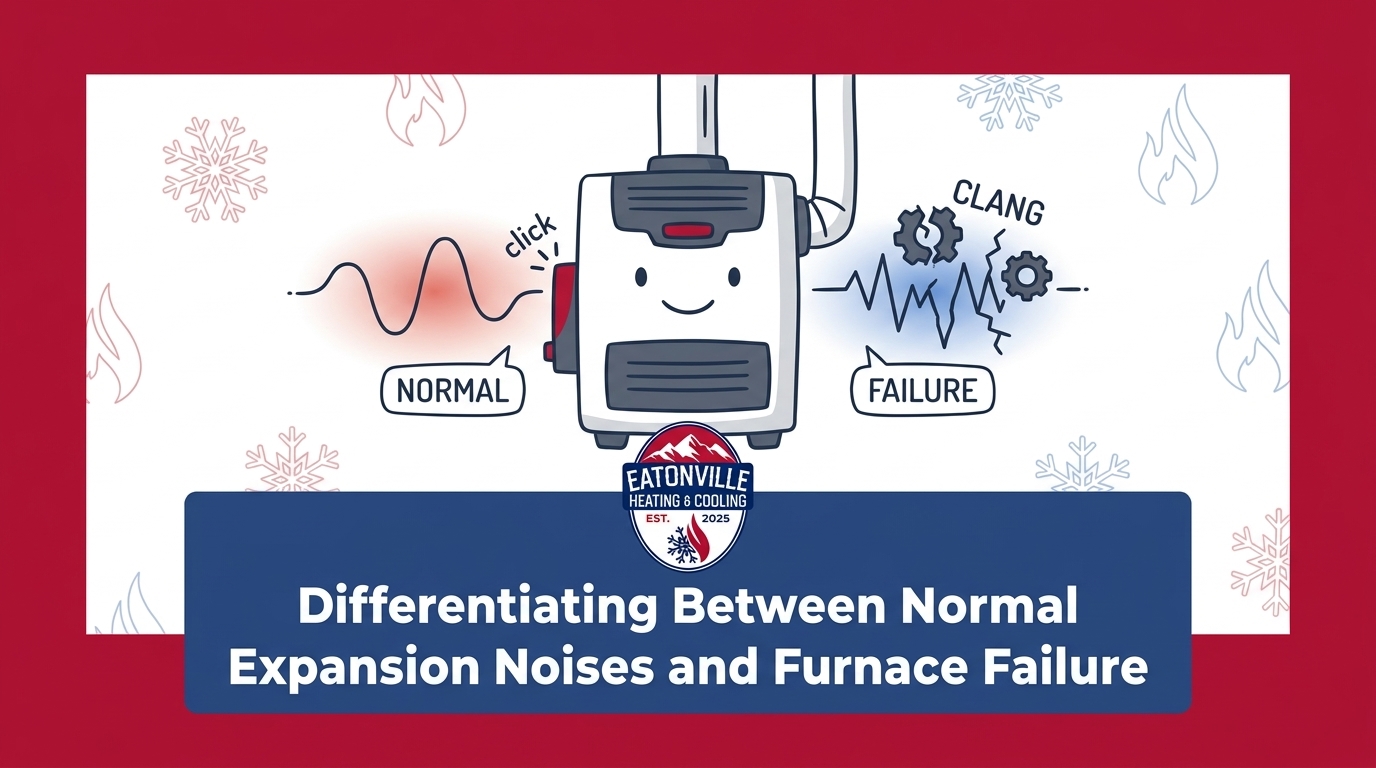
Differentiating Between Normal Expansion Noises and Furnace Failure
Hearing a loud bang on the first chilly fall morning can be terrifying. Decide with confidence whether to let the system run or shut it down for emergency service.
How Federal Way's Fall Humidity Affects Indoor Air Quality
The transition to damp autumn weather creates a tricky shoulder season for your HVAC system. Without the AC running, ambient moisture gets trapped inside. See how to manage ventilation.
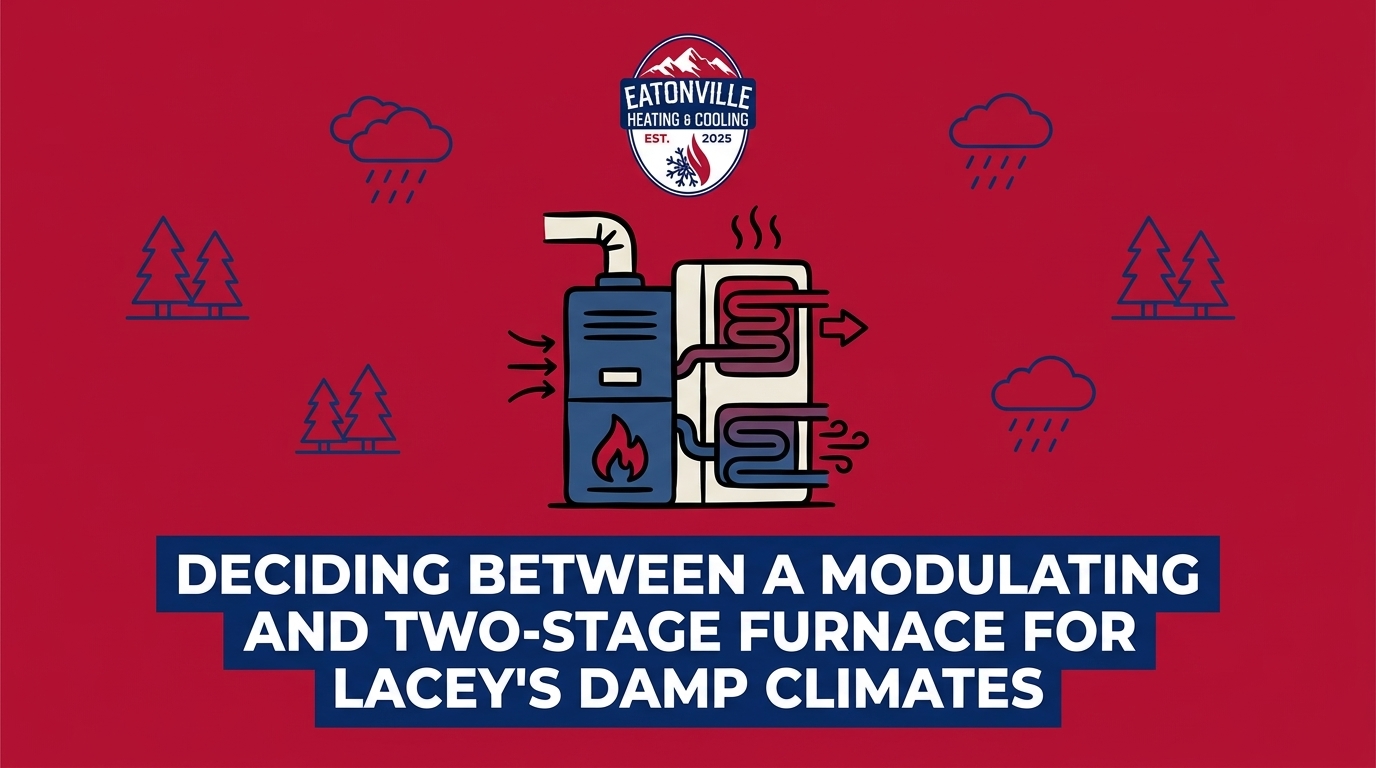
Deciding Between a Modulating and Two-Stage Furnace for Lacey Climates
Upgrading your heating system before the damp winter hits? Find out whether the precise comfort of a modulating unit or the reliability of a two-stage system fits your home.

What a Comprehensive Fall Furnace Inspection Actually Entails
A professional heating tune-up requires much more than a basic filter change. We pull back the curtain on the exact electrical and combustion tests that prevent winter breakdowns.
Repurposing Old AC Pads When Upgrading to a New Heat Pump
Preparing for a fall system upgrade? Reusing a sunken 1990s concrete base can cause poor drainage and oil starvation for modern equipment—see why leveling matters.