



When Your Heat Pump Stops Cooling and Starts Blinking
The late-summer heat is beating down here in Eatonville, your house is growing uncomfortably warm, and you find yourself reading the diagnostic blinking lights on your heat pump hoping for a quick answer. It is incredibly frustrating when a reliable system suddenly stops producing cold air right in the middle of an August late-summer cooling demand. You might walk outside to inspect the exterior unit, only to notice a strange rhythm of flashes emanating from a small window on the control panel. That sequence isn't just a random malfunction; it is the system's exact way of communicating what went wrong internally.
However, seeing these lights is not an invitation to grab your toolbox and start disassembling the unit. The true value of these diagnostic codes lies in safely observing them so you can provide your local dispatcher with accurate information before a technician even steps foot on your property. By acting as the eyes of the repair team, you can significantly speed up the troubleshooting process and get your home comfortable again.
If you are dealing with a sudden failure, our team at Eatonville Heating & Cooling specializes in comprehensive heat pump systems and provides fast, reliable professional heating repair to restore your comfort.
Locating the Sight Glass: The Only Safe Way to View Error Codes
Modern HVAC equipment is incredibly sophisticated, and manufacturers design these systems with both diagnostic efficiency and homeowner safety in mind. Because the internal control board manages high-voltage electricity, opening the cabinet to look at the lights is strictly prohibited for anyone without professional licensing. Instead, manufacturers provide a specific, safe viewing method.
The Purpose of the Diagnostic Window
Most contemporary heat pumps and air handlers are equipped with a small, clear, or tinted window known as a sight glass. This window is specifically designed to let you see the control board's LED lights without exposing you to live electrical components. The sight glass is your only safe access point for gathering diagnostic information.
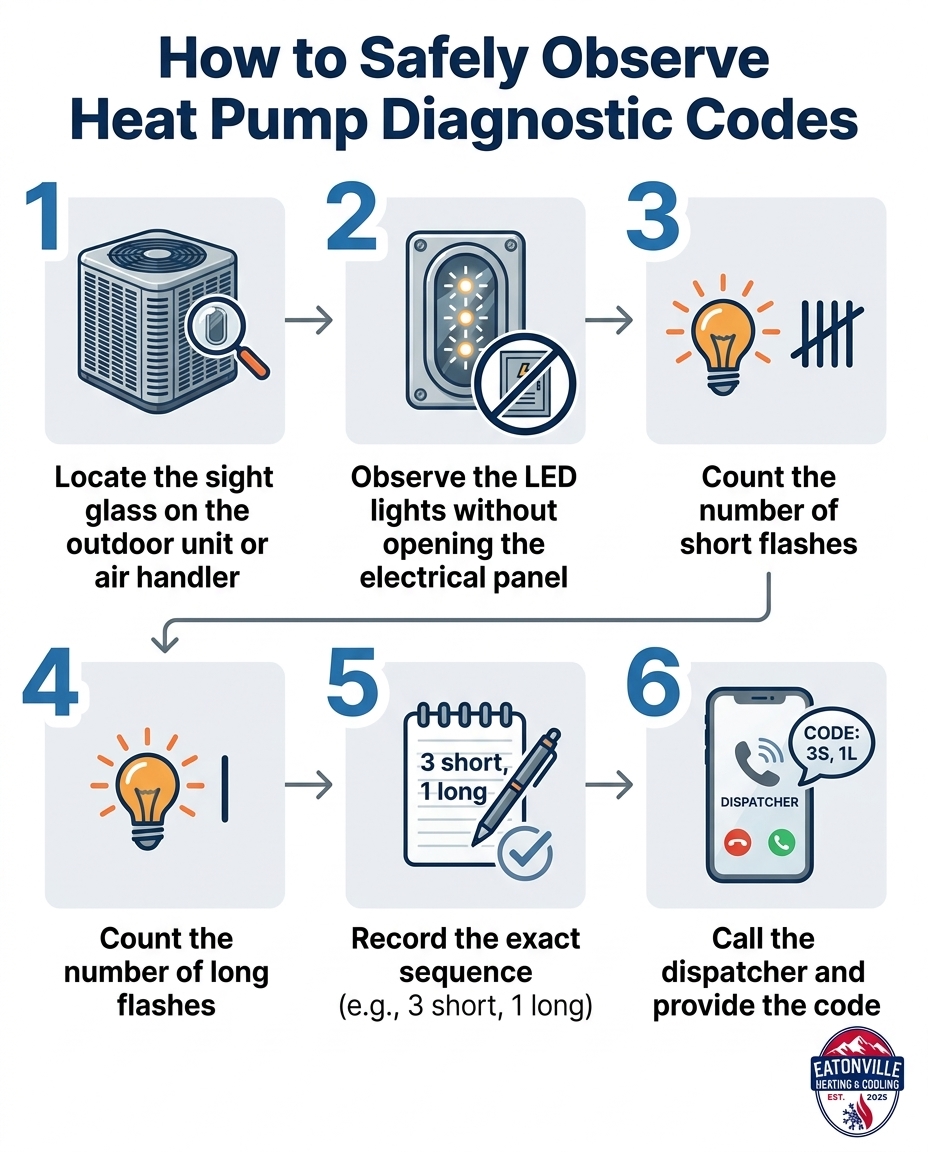
Follow these steps to safely locate and observe the diagnostic lights:
1. Identify the primary unit: Depending on your system's design and where the failure occurred, the active control board might be located on the outdoor compressor unit or the indoor air handler. Start by checking the outdoor unit if the system has stopped cooling entirely.
2. Locate the electrical access panel: Look for the main metal panel on the side of the unit where the electrical conduits enter the chassis. Do not touch any screws or fasteners on this panel.
3. Find the sight glass: Scan the access panel for a small, circular, or rectangular plastic window. It is typically positioned near the lower half of the panel, directly over the internal circuit board.
4. Observe the flashes: Cup your hands around the sight glass if the outdoor glare makes it difficult to see. Watch for the LED flash sequence (e.g., 3 short, 1 long) emitting from the board.
5. Record the exact pattern: Take out your phone or a notepad and write down exactly what you see. Watch the sequence cycle at least three times to ensure you have counted the flashes accurately.
The golden rule of observing these codes is simple: look, count, and record. Never attempt to bypass the sight glass or remove the panel for a better view.
Decoding the Rhythm: Short and Long LED Flash Sequences
Control boards use a highly specific visual language to communicate a wide variety of operational states and system faults. Understanding how this rhythm works helps demystify the cryptic codes and ensures you pass the right information to your repair team.
Understanding the Flash Timing
Not all blinking lights indicate a catastrophic failure. A continuous, rapid blink often indicates normal standby operation, a standard time-delay, or a general lockout condition waiting to reset. However, a structured flash sequence points to a specific component failure or safety trip. These structured sequences are usually divided into two parts: short flashes and long flashes.
A short flash typically lasts for about half a second, while a long flash lasts for one to two seconds. The board will display the short flashes, pause briefly, display the long flashes, and then pause for a longer duration before repeating the entire cycle. For example, if you see three quick blinks, a brief pause, and then one extended blink, the system is displaying a "3-1" code.
Accurate reporting directly translates to efficient, targeted service. For example, our technicians recently responded to a late-summer service call diagnosing a problem with a mini-split system just as families were prepping for back-to-school. Because the homeowner had correctly noted the specific LED flash sequence before calling, our technician arrived with a clear understanding of the fault, diagnosed the problem immediately, and completed the work efficiently. The diagnostic code acted as a roadmap.
If you are noticing these sequences while dealing with a heat pump blowing warm air in cooling mode, the rhythm of the lights holds the key to the root cause. Whether it is a refrigerant issue, a sensor failure, or a compressor lockout, the control board knows exactly what tripped the safety mechanism.
Common End-of-Season Diagnostic Faults
Diagnostic codes don't happen in a vacuum; they are often the direct result of environmental stress and continuous operation. In our experience servicing the Pacific Northwest climate, heat pumps face a unique operational reality. Because they run year-round, providing warmth through mild, damp winters and cooling through increasingly hot summers, these systems rarely get a break. By the time August late-summer cooling demands peak, our team typically sees equipment that has endured months of continuous use, making it highly susceptible to stress-induced fault codes.
The Toll of Cumulative Stress
As the summer drags on, the cumulative wear on electrical components, fan motors, and compressor relays begins to show. A specific code—such as 2 flashes indicating a compressor lockout—is frequently a symptom of this seasonal strain rather than a random component failure.
Addressing these cumulative wear issues is a core part of comprehensive heating service in Eatonville, ensuring your system transitions smoothly into the fall without lingering summer damage.
• High-Pressure Lockouts — Typical Underlying Cause: Dirty outdoor condenser coils restricting airflow after months of continuous summer operation. — Professional Resolution: Deep chemical cleaning of the coils and a thorough verification of refrigerant pressures.
• Thermal Sensor Faults — Typical Underlying Cause: Overheating internal components due to relentless operation during peak August heatwaves. — Professional Resolution: Testing electrical draw, replacing degraded sensors, and recalibrating the system.
• Defrost Board Errors — Typical Underlying Cause: Lingering moisture or electrical fatigue from the previous winter's heavy heating load. — Professional Resolution: Diagnosing board communication errors and replacing the control board if relays are fused.
• Contactor/Relay Failures — Typical Underlying Cause: Pitted or burned electrical contacts from cycling on and off thousands of times a season. — Professional Resolution: Safely discharging capacitors and installing fresh, high-quality contactors to restore power flow.
While the table above outlines common categories, remember that these codes are inherently complex. A single flash sequence might point to three different potential underlying causes. Professional interpretation is always required to trace the code back to the actual root cause and resolve it safely.
Translating the Flashes for Your Local HVAC Dispatcher
The moment you record that LED flash sequence, you possess a valuable piece of data. The next critical step is communicating that data effectively when you call to report the cooling failure. Highlighting this code right at the start of your phone call sets the entire service visit up for success.
The Pre-Diagnosis Advantage
When you call to schedule a repair, tell the dispatcher immediately: "My heat pump has stopped cooling, and I can see a sequence of 3 short flashes and 1 long flash through the sight glass." At Eatonville Heating & Cooling, our local dispatch and technician team leverages this information immediately. By providing these flash codes over the phone, you allow our experts to pre-diagnose the situation, ensuring they arrive fully prepared with the right components to resolve the specific issue faster.
This level of preparation is vital for comprehensive solutions. In a pattern we see often, a local customer reached out regarding an HVAC issue that ultimately required full system removal and installation. Because the initial symptoms and system behaviors were communicated clearly from the start, our team efficiently troubleshot the HVAC issue, removed the old system, and installed a new one, ensuring the issue was resolved thoroughly. The more information the team has upfront, the smoother the process becomes.
When you need reliable AC repair services in Eatonville WA, this collaborative communication makes all the difference. It eliminates the dreaded "parts run" where a technician has to leave your home to fetch a specific sensor or relay from the warehouse. Instead, they pull up to your driveway with the likely replacement parts already stocked on their truck, turning what could be a multi-day ordeal into a swift, single-visit resolution.
The Invisible Danger Behind the Access Panel
It is crucial to reiterate why reading the diagnostic lights through the sight glass is the absolute limit of homeowner intervention. The desire to fix a broken AC in the middle of a hot afternoon is strong, but DIY electrical diagnostics on heat pumps are extremely dangerous and potentially lethal.
Understanding the High-Voltage Risks
Modern heat pump electrical cabinets house components that manage immense amounts of power. While your home's standard outlets run on 120 volts, a heat pump operates on a 240-volt circuit. Furthermore, general OSHA and NFPA electrical safety guidelines strictly prohibit untrained individuals from accessing 240V+ systems due to the severe risk of arc flashes and electrocution.
The unique danger of electrical capacitors:
• Energy Storage: Capacitors act like massive, high-speed batteries. They store energy to give the compressor the massive jolt of power it needs to start.
• Lethal Voltage: A standard run or dual capacitor can store between 370 to 440 volts of electricity.
• Persistent Danger: Even if you turn off the main breaker to the heat pump at your electrical panel, a capacitor can hold a deadly electrical charge for hours or even days.
• Accidental Discharge: Brushing a screwdriver, a wrench, or your hand across the capacitor terminals will release all that stored energy instantly, resulting in severe injury or worse.
Because of these invisible, persistent dangers, firmly respect the boundaries of the equipment. Look through the window, record the flashes, and step away. Let licensed professionals handle everything behind the metal panel.
Frequently Asked Questions About Heat Pump Error Codes
What does a blinking red light on my heat pump mean?
A blinking red light usually indicates a system fault or lockout condition that has forced the unit to shut down for its own protection. The specific meaning depends heavily on the pattern of the flashes and the manufacturer of your equipment. It serves as a visual alert that the system has detected an operational anomaly, such as high pressure or a failed sensor, and requires professional diagnostics.
How do you read a heat pump diagnostic code?
To read the code, locate the small, transparent sight glass on the exterior of your unit's electrical panel. Look through the window and carefully observe the rhythm of the LED light without touching the panel itself. Count the number of short flashes, followed by the number of long flashes, and record the exact sequence to share with your HVAC technician.
Is a flashing light on a heat pump bad?
Not always; a slow, steady blink can sometimes indicate normal standby operation, active communication with the thermostat, or a standard defrost cycle during colder months. However, irregular sequences, rapid flashing, or specific repetitive patterns typically signal a malfunction that requires professional attention. If the flashing light is accompanied by a sudden loss of cooling or heating, it is a definitive sign of a problem.
Why is my heat pump blinking green?
Green lights often signify that power is present and the system's internal control board is communicating normally with the rest of the HVAC setup. If the green light flashes in a very specific, irregular sequence, it may be indicating a minor communication error between the thermostat and the main board. Always check your manufacturer's manual or consult a professional if the system is not operating correctly despite the green light.
How can I safely check my heat pump error code?
The only safe way to check an error code is to observe the lights through the built-in sight glass on the exterior panel. Never remove the electrical access panel to get a better look, as the high-voltage components inside—especially the capacitors—pose a severe and potentially lethal shock risk. Record what you see from the outside and leave the physical inspection to a licensed technician.
Equipping Your Technician for a Faster Resolution
Understanding how to read the diagnostic blinking lights on your heat pump safely is the single best way a homeowner can assist in the repair process. By respecting the dangers of high-voltage components and utilizing the sight glass, you gather crucial intelligence without putting yourself at risk.
Remember that providing this specific flash sequence to the dispatcher expedites the entire service call, allowing the team to arrive with the right tools and parts. If your heat pump has left you sweating out the late-summer heat, note the rhythm of the lights, write down the code, and reach out to your local experts to get your home comfortable again quickly and safely.
Recent Posts

Adapting Yelm Wood-Framed Homes for Modern Central Air
Adding central air to an older wood-framed home takes careful planning. See how attic framing, ductwork and wiring shape a safe, effective upgrade.
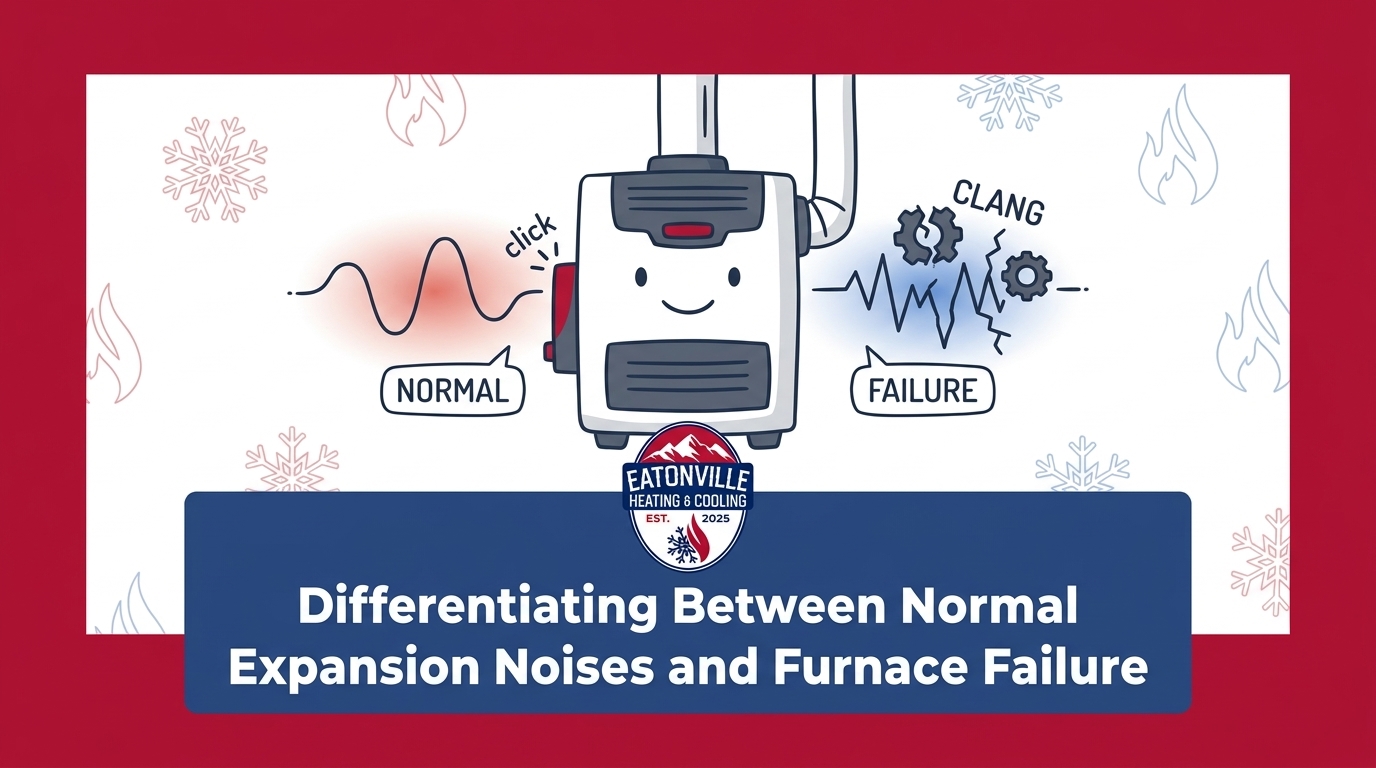
Differentiating Between Normal Expansion Noises and Furnace Failure
Hearing a loud bang on the first chilly fall morning can be terrifying. Decide with confidence whether to let the system run or shut it down for emergency service.
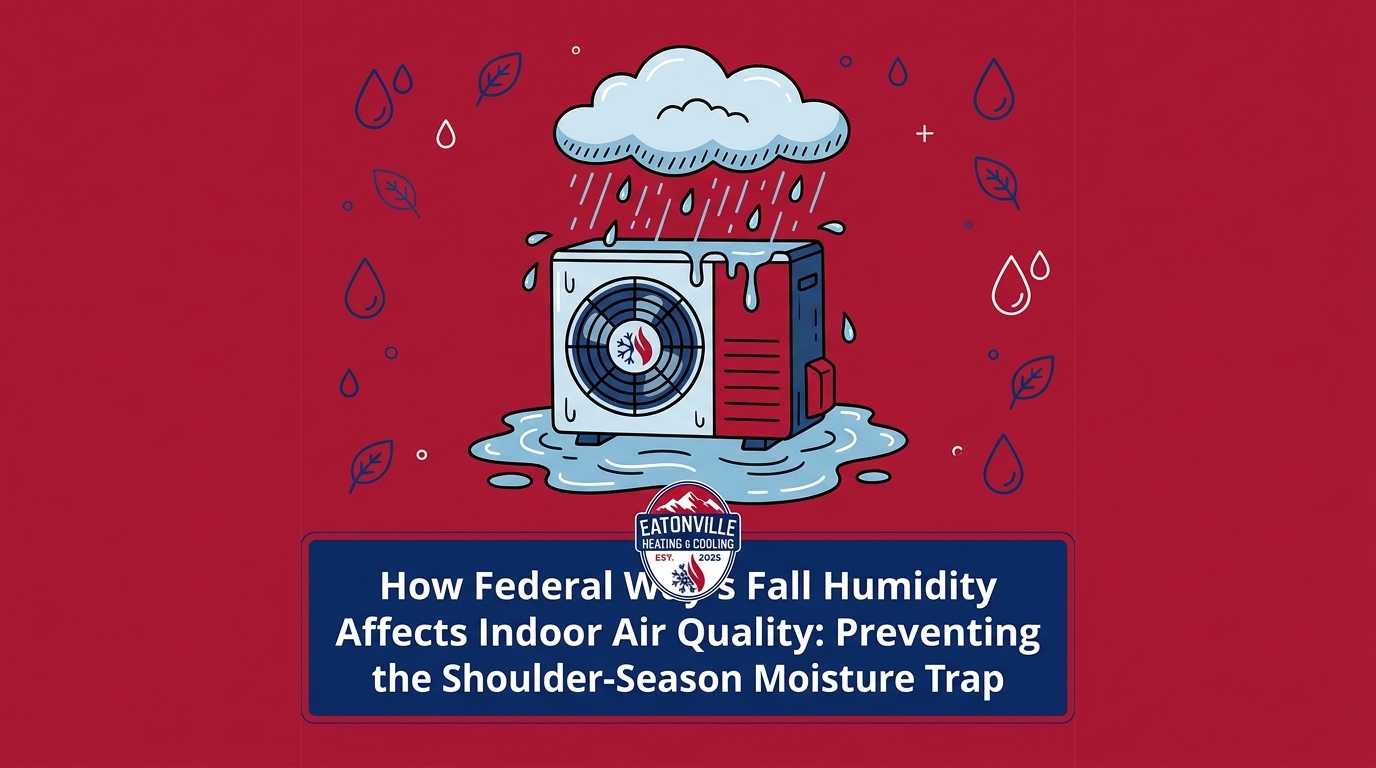
How Federal Way's Fall Humidity Affects Indoor Air Quality
The transition to damp autumn weather creates a tricky shoulder season for your HVAC system. Without the AC running, ambient moisture gets trapped inside. See how to manage ventilation.
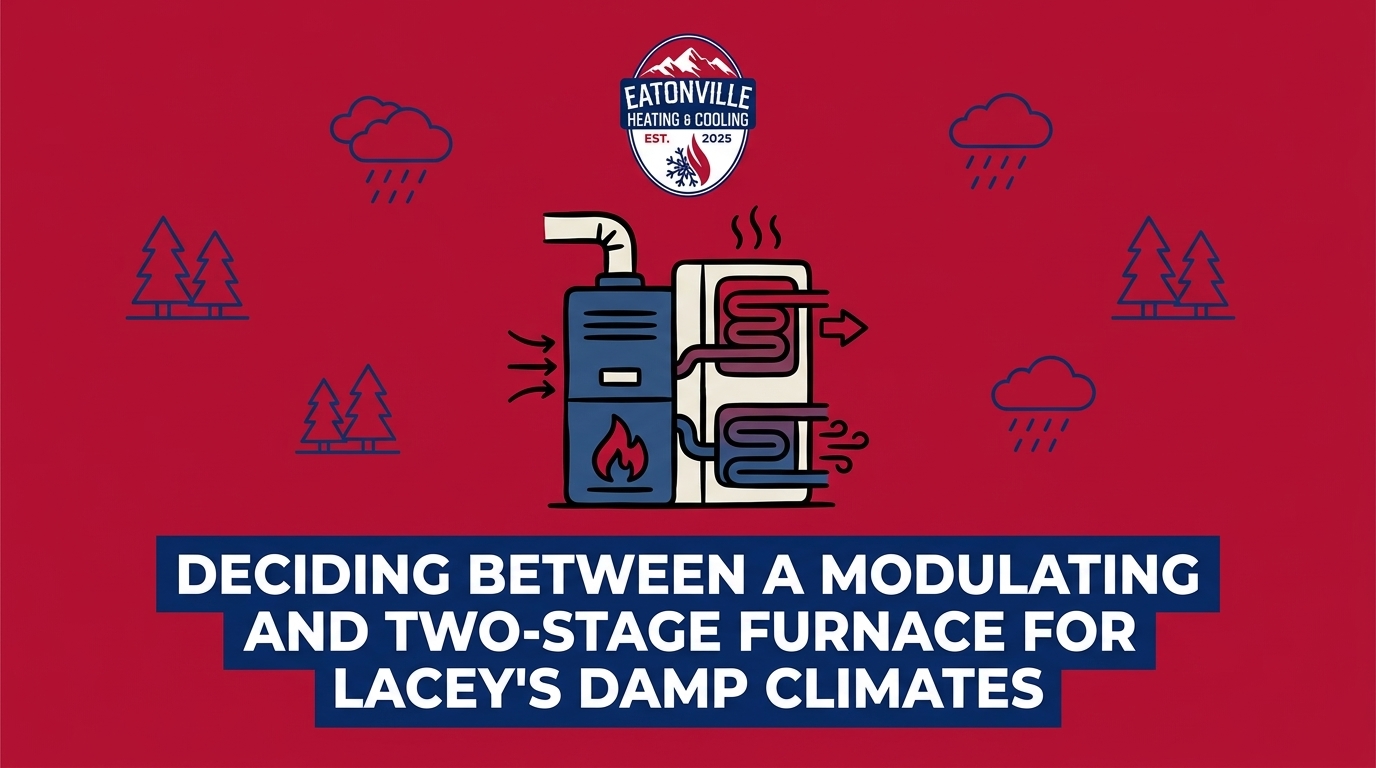
Deciding Between a Modulating and Two-Stage Furnace for Lacey Climates
Upgrading your heating system before the damp winter hits? Find out whether the precise comfort of a modulating unit or the reliability of a two-stage system fits your home.
What a Comprehensive Fall Furnace Inspection Actually Entails
A professional heating tune-up requires much more than a basic filter change. We pull back the curtain on the exact electrical and combustion tests that prevent winter breakdowns.
Repurposing Old AC Pads When Upgrading to a New Heat Pump
Preparing for a fall system upgrade? Reusing a sunken 1990s concrete base can cause poor drainage and oil starvation for modern equipment—see why leveling matters.