

How to Tell If Your Air Conditioner Is Costing You More Than It Should
When your air conditioner is running, it should keep your home comfortable without driving up your energy bills. If you’ve noticed rising costs without a clear reason, your system may not be operating as efficiently as i
When your air conditioner is running, it should keep your home comfortable without driving up your energy bills. If you’ve noticed rising costs without a clear reason, your system may not be operating as efficiently as it should. At Eatonville Heating & Cooling, we help homeowners identify when their AC system is underperforming and what steps can be taken to correct it.
Many issues that lead to higher operating costs develop gradually, which makes them easy to overlook. Understanding the warning signs can help you take action before small inefficiencies turn into expensive problems.
Signs Your AC Is Using More Energy Than Necessary
One of the first indicators of an inefficient system is a steady increase in your monthly utility bills. If your usage habits haven’t changed but your costs continue to climb, your AC system may be working harder than necessary to maintain the same level of comfort.
Inconsistent cooling throughout your home is another common sign. If certain rooms feel warmer than others, your system may be struggling with airflow issues, duct leaks, or reduced capacity. These problems force your AC to run longer cycles, increasing energy consumption.
You may also notice your system turning on and off more frequently than usual. Short cycling not only reduces efficiency but also places additional strain on components, which can lead to premature wear and higher repair costs over time.
Common Causes of Poor AC Efficiency
Several factors can contribute to reduced efficiency, and many of them are preventable with regular maintenance. Dirty air filters are one of the most common causes. When airflow is restricted, your system has to work harder to circulate air, which increases energy use and reduces overall performance.
Low refrigerant levels can also impact efficiency. Refrigerant is essential for the cooling process, and when levels are too low due to leaks or improper charging, your system cannot effectively remove heat from your home.
Other contributing factors include:
• Aging equipment that no longer operates at peak performance
• Leaky or poorly insulated ductwork
• Faulty thermostats or improper settings
• Dirty condenser or evaporator coils
Each of these issues can reduce your system’s ability to cool efficiently, leading to higher energy consumption and reduced comfort.
When It’s Time to Consider Repairs or Replacement
If your AC system is more than 10 to 15 years old, declining efficiency is often a sign that replacement may be the more cost-effective option. Older systems were built with lower efficiency standards, and even with repairs, they may not perform as well as newer models.
Frequent repairs are another sign that your system may be costing you more than it should. If you find yourself calling for service multiple times each season, those costs can quickly add up. In many cases, investing in a new system can reduce both repair expenses and monthly energy bills.
A professional evaluation can help determine whether repairs will restore efficiency or if replacement is the better long-term solution.
How Regular Maintenance Helps Control Costs
Routine maintenance is one of the most effective ways to keep your AC system running efficiently. During a professional tune-up, technicians inspect and clean critical components, ensuring everything is operating as intended.
Maintenance services typically include:
• Cleaning or replacing air filters
• Checking refrigerant levels
• Inspecting electrical connections
• Cleaning coils and condensers
• Testing system performance
By addressing minor issues early, maintenance helps prevent larger problems and keeps your system operating at peak efficiency.
Practical Steps Homeowners Can Take
In addition to professional maintenance, there are simple steps you can take to reduce energy usage and improve performance. Keeping air filters clean is one of the easiest and most effective ways to maintain proper airflow.
Adjusting your thermostat settings can also make a difference. Even small changes can reduce the workload on your system and lower your energy bills. Using a programmable or smart thermostat allows for more precise control, helping your system run only when needed.
You can also improve efficiency by:
• Sealing air leaks around doors and windows
• Ensuring vents are not blocked by furniture
• Keeping the outdoor unit free of debris
• Scheduling annual inspections with a qualified technician
Why Professional Evaluation Matters
While some efficiency issues are easy to spot, others require a trained eye to diagnose accurately. A professional inspection can identify hidden problems that may not be obvious, such as duct leaks or internal component wear.
At Eatonville Heating & Cooling, we provide thorough system evaluations designed to pinpoint inefficiencies and recommend practical solutions. Whether your system needs a minor adjustment or a more comprehensive repair, addressing the issue promptly can help you avoid unnecessary expenses.
If your air conditioner seems to be costing more than it should, taking action now can help restore efficiency, improve comfort, and extend the life of your system.
Recent Posts
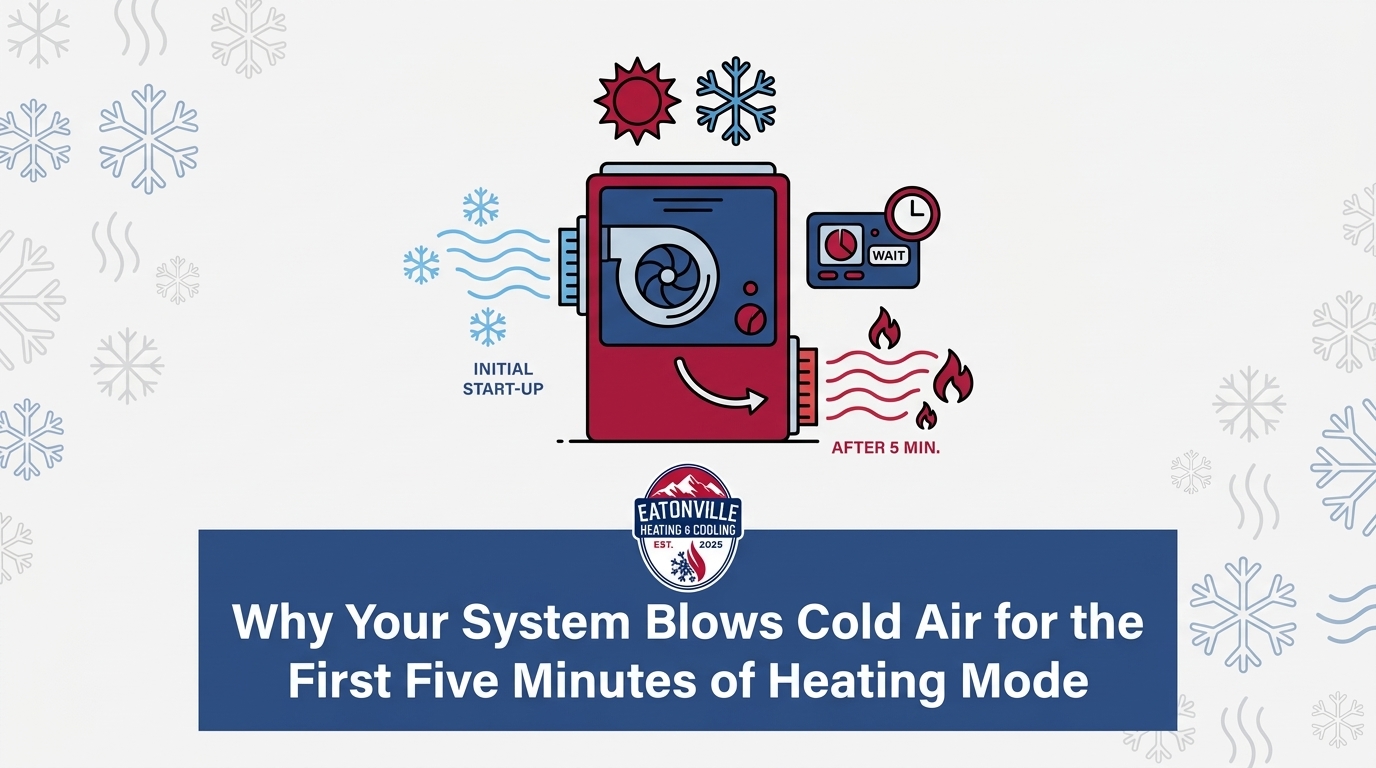
Why Your System Blows Cold Air for the First Five Minutes of Heating Mode
Turning on your furnace on a chilly fall morning only to feel a freezing breeze is stressful. Find out if that initial blast of cold air is normal or a sign of trouble.
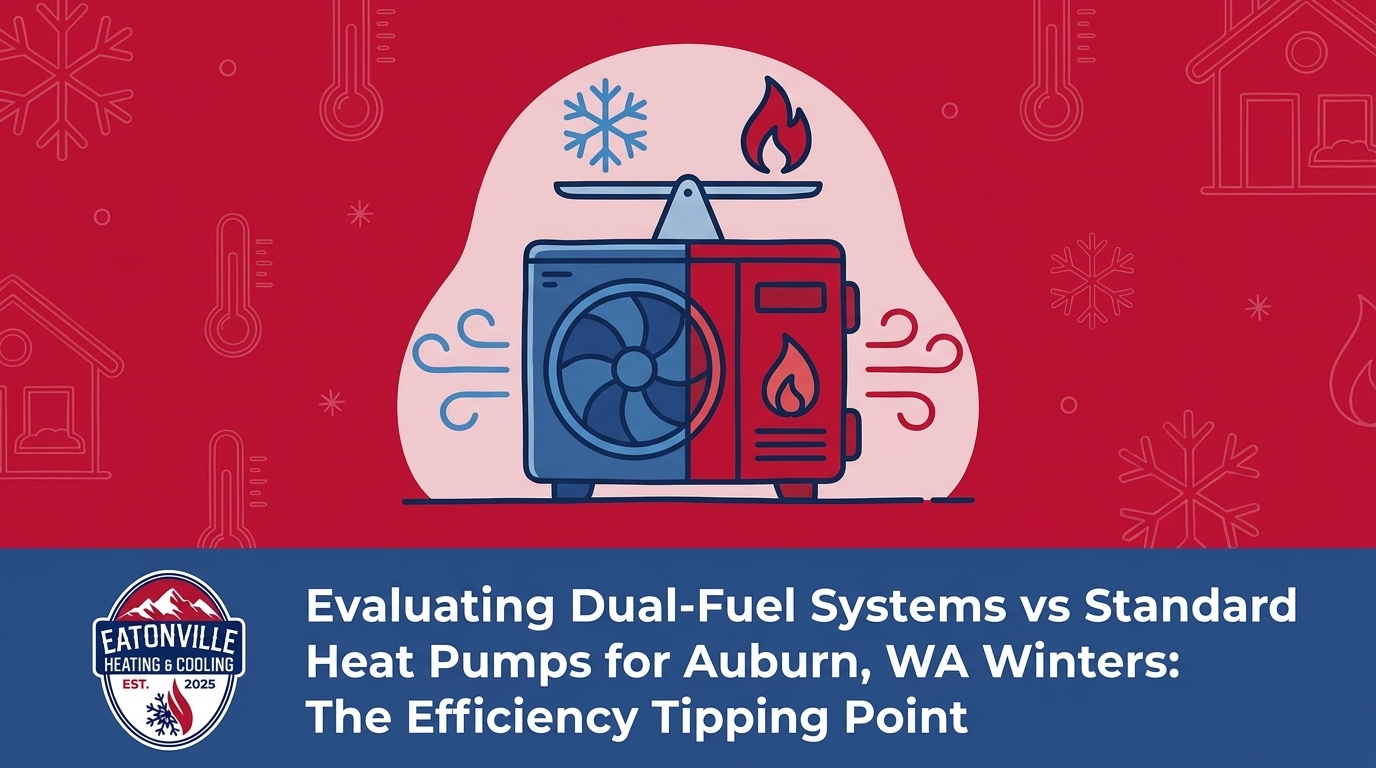
Evaluating Dual-Fuel Systems vs Standard Heat Pumps for Auburn Winters
Sub-freezing overnight temperatures force electric heat pumps to work harder. Explore the efficiency tipping point between standard electric and dual-fuel gas backups to choose the right system.
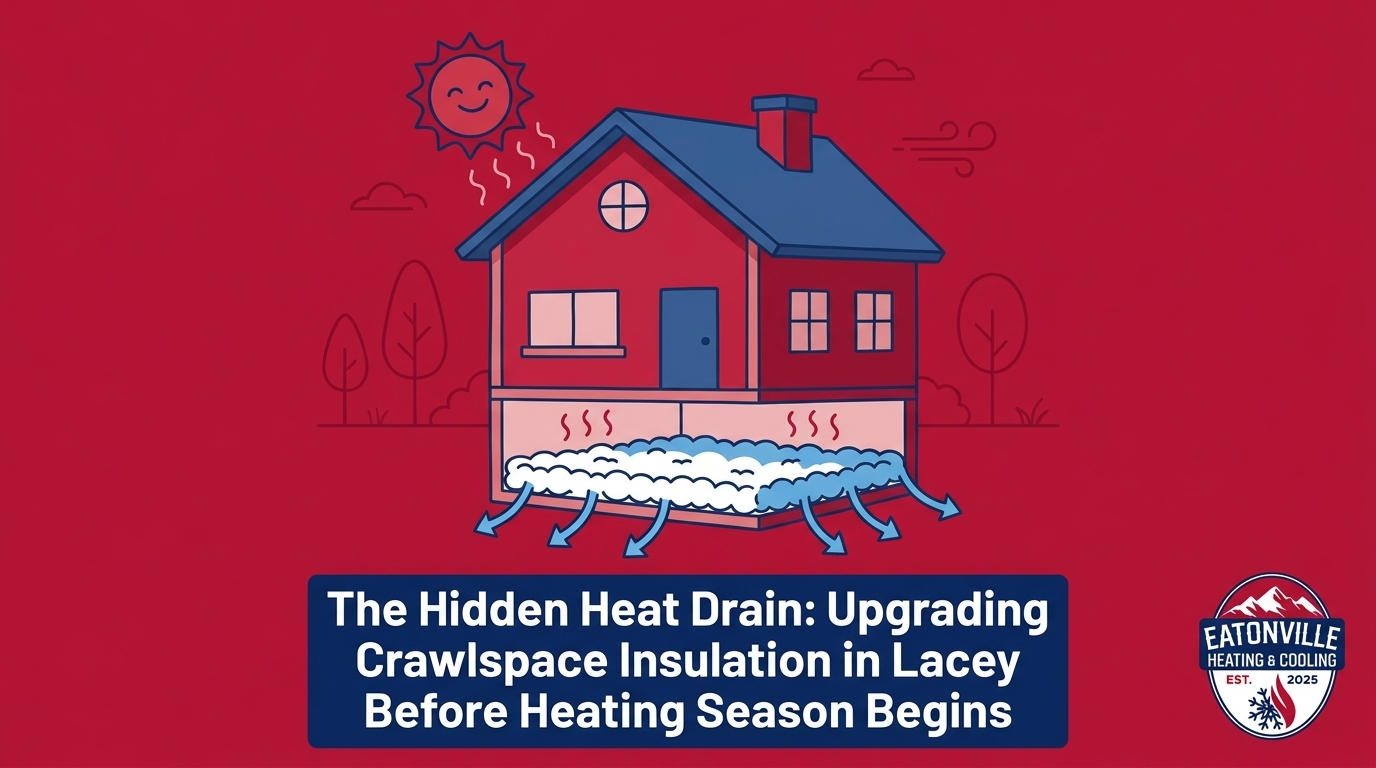
Upgrading Crawlspace Insulation in Lacey Before Heating Season Begins
Don't let your furnace work overtime just to heat the damp air beneath your floorboards. Upgrading your crawlspace insulation stops hidden heat loss and keeps your living room warm all winter long.
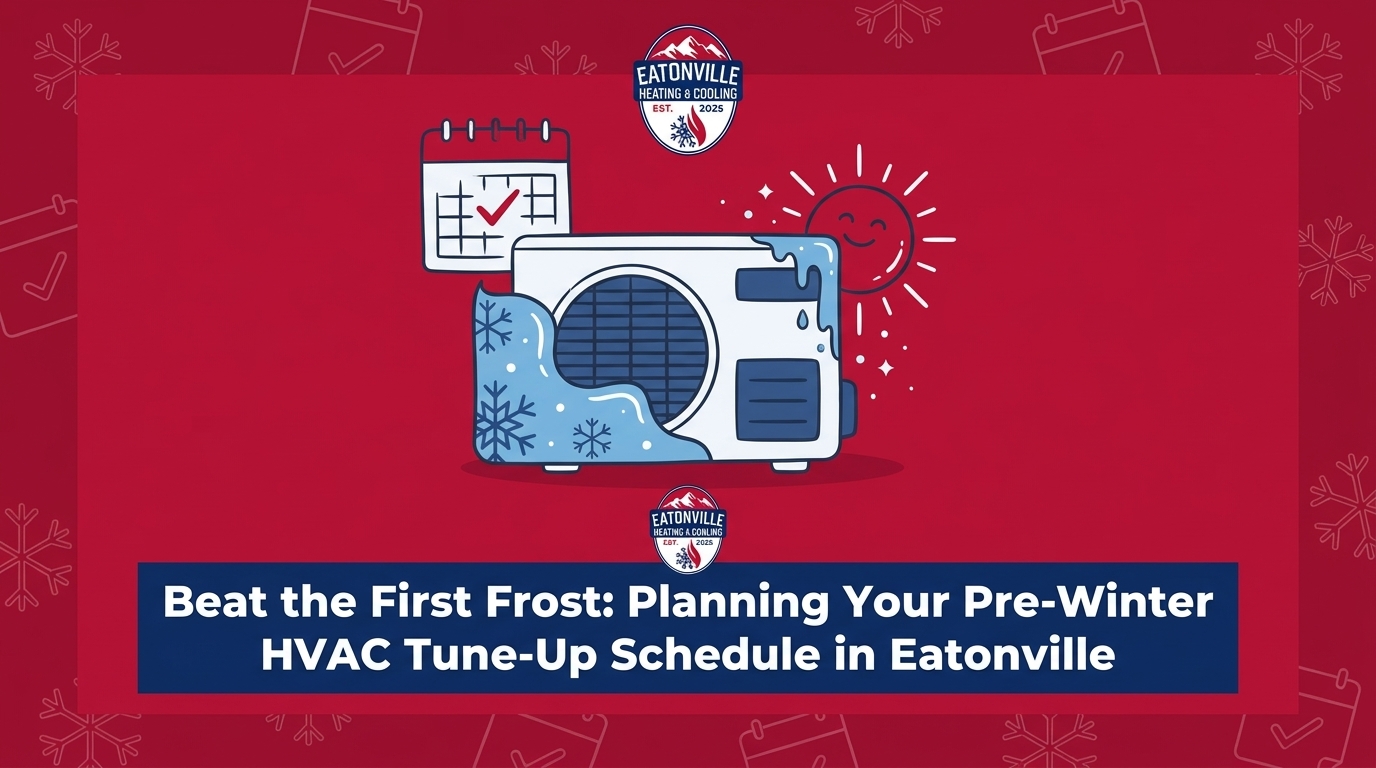
Planning Your Pre-Winter HVAC Tune-Up Schedule in Eatonville
The first fall freeze always triggers a scheduling panic for heating repairs. Booking your maintenance in September guarantees priority service when temperatures drop.
Planning Your Pre-Winter HVAC Tune-Up Schedule in Eatonville
The first fall freeze always triggers a scheduling panic for heating repairs. Booking your maintenance in September guarantees priority service when temperatures drop.
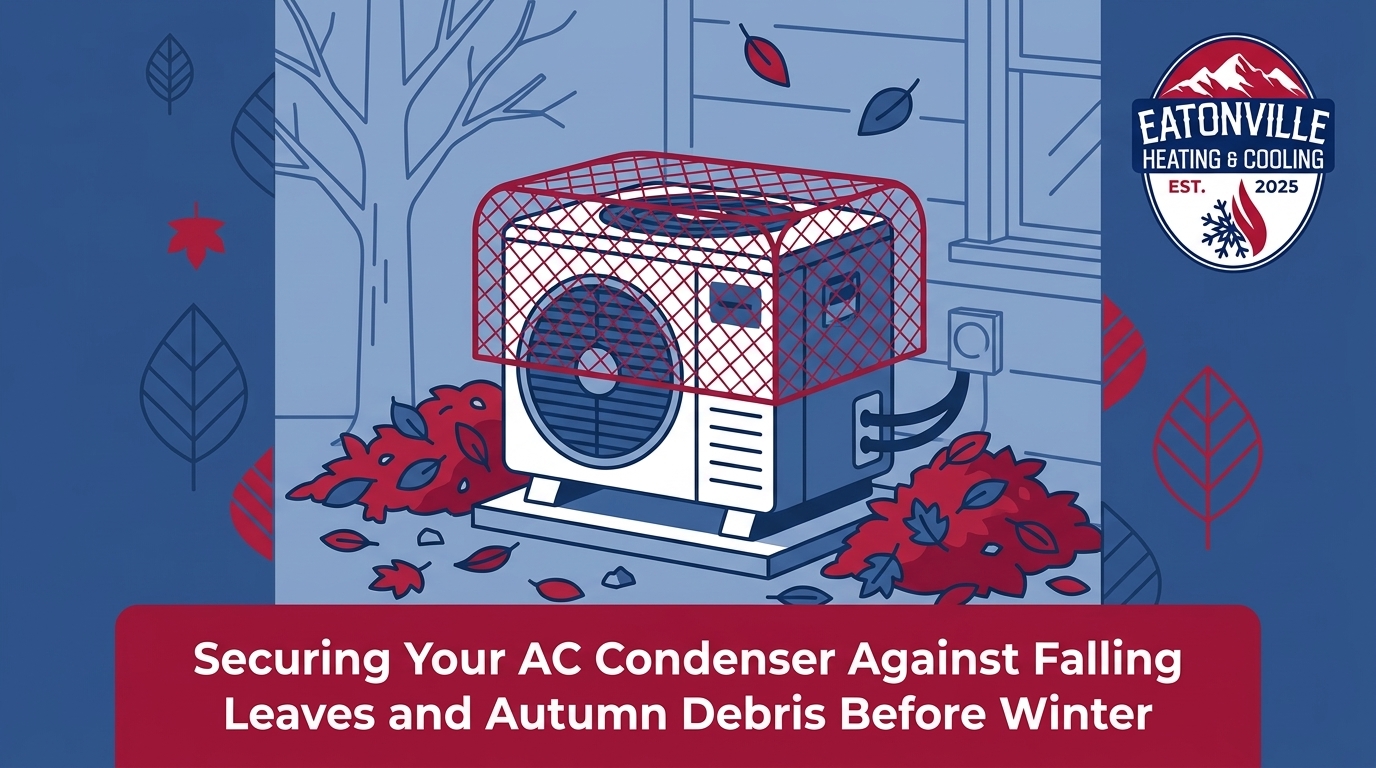
Securing Your AC Condenser Against Falling Leaves and Autumn Debris
Wet September leaves can trap moisture inside your outdoor base pan, causing rust and restricted airflow. See how clearing this debris protects your winter heating cycle.