



How Federal Way's Fall Humidity Affects Indoor Air Quality
The transition to damp autumn weather creates a tricky shoulder season for your HVAC system. Without the AC running, ambient moisture gets trapped inside. See how to manage ventilation.
The September Transition: Why Federal Way Homes Trap Moisture
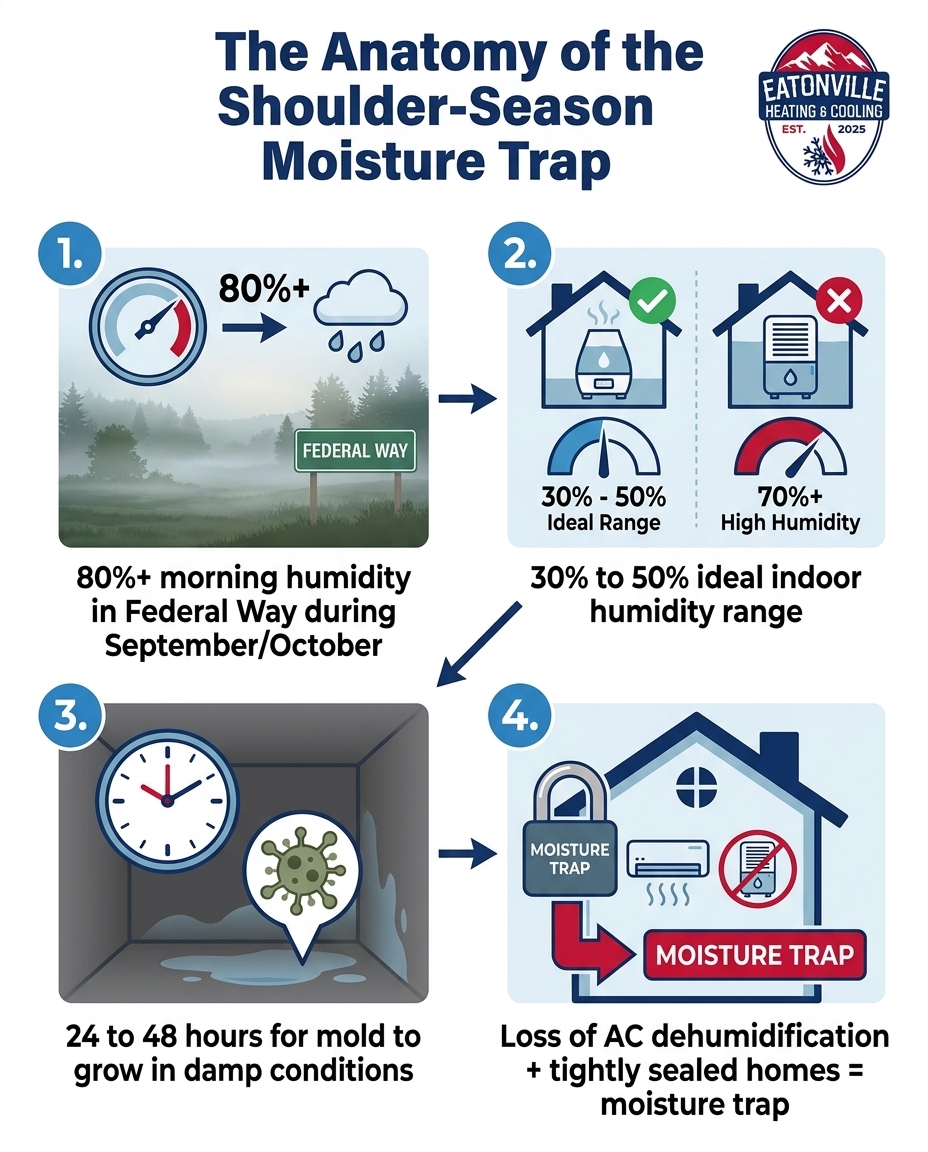
With morning moisture levels frequently exceeding 80% during early autumn, understanding exactly how Federal Way's fall humidity affects indoor air quality is an urgent priority for local homeowners. Every September, our technicians at Eatonville Heating & Cooling field calls from residents who are suddenly caught in the "shoulder season" HVAC gap: it is no longer hot enough outside to run your air conditioner consistently, but it is not quite cold enough to rely heavily on your furnace. Because modern homes are tightly sealed to conserve energy, a pattern we see often is that they end up trapping this ambient moisture inside.
In the Pacific Northwest, early autumn brings heavy morning dew and sudden temperature drops. This creates a high-moisture baseline right outside your front door. Without active moisture management, this trapped dampness directly impacts the air you breathe and the structural health of your living space. Stagnant, humid air creates the perfect breeding ground for airborne pollutants and biological growth. If you want to protect your home and your family's health, exploring professional indoor air quality solutions and scheduling proactive heating service in Federal Way are the best first steps you can take.
Understanding the Shoulder-Season Moisture Trap in the Pacific Northwest
To fix high indoor humidity, you first have to understand the mechanical reality of how your home breathes. During the summer, your air conditioning system does much more than just cool the air. It acts as a massive, whole-home dehumidifier. As warm indoor air passes over the freezing cold evaporator coils, the moisture in that air condenses into liquid water and drains outside. This process naturally keeps your home dry and comfortable.
When you turn off the AC in early fall, you abruptly remove your home's primary dehumidification method just as outdoor atmospheric moisture begins to spike. At Eatonville Heating & Cooling, our deep local expertise in South Puget Sound microclimates shows us exactly how this localized dampness impacts indoor air circulation. We've seen firsthand how Federal Way homes are uniquely susceptible to these drastic humidity swings based on our proximity to the water and heavy tree canopies.
The Loss of Natural Dehumidification
Without those AC coils actively condensing moisture, ambient humidity remains airborne. Even if you run your system occasionally during mild fall days, it often short-cycles. This means the unit turns on, quickly reaches the target temperature, and shuts off before it runs long enough to actually pull significant moisture from the air. Managing humidity spikes when the system cycles off requires a different approach than standard summer cooling.
The Sealed Home Effect
Modern building codes require homes to be incredibly energy-efficient. Builders use advanced weatherstripping, spray foam insulation, and double-pane glass to prevent drafts. While this is fantastic for lowering your winter heating bills, it also prevents natural ventilation. Everyday indoor activities like cooking pasta, taking hot showers, running the dishwasher, and even just breathing continue to generate gallons of water vapor every single day. In a sealed home during the shoulder season, we consistently find that trapped stale air leads to a noticeable musty smell and heavy, uncomfortable air.
The Science Behind Window Condensation in Early Fall
In our years of servicing homes along the Puget Sound, one of the most visible symptoms of a shoulder-season indoor air quality imbalance our team spots is morning condensation on windows. This is not just a cosmetic annoyance; it is a critical early warning sign that your home is holding too much moisture. To understand why this happens, you have to look at the concept of "dew point." The dew point is the temperature at which air becomes 100% saturated with water vapor and can no longer hold it in a gaseous state, forcing it to condense into liquid.
During a typical Pacific Northwest autumn, we experience a sharp drop in overnight outdoor temperatures. However, your home retains residual indoor warmth from the day, along with all the moisture generated by your family's evening activities. When that warm, moist indoor air collides with the freezing cold glass of your autumn windows, the air immediately cools to its dew point. The moisture drops out of the air and forms water droplets on the glass.
Temperature Differentials Explained
The severity of window condensation is entirely dictated by the gap between your indoor and outdoor temperatures, combined with your indoor relative humidity.
• Single-pane windows: These offer very little insulation, meaning the inside of the glass gets extremely cold. They will show heavy condensation even at lower indoor humidity levels.
• Double-pane windows: These insulate better, keeping the interior glass warmer. If you see heavy condensation on modern double-pane windows, your indoor humidity is dangerously high.
If left unchecked, this daily morning condensation pools on your window sills. Over time, it seeps into the drywall, damages wood frames, and creates a hidden haven for structural rot right beneath your window treatments.
How Unchecked Humidity Leads to Mold and Mildew Growth
Ignoring high indoor humidity during the fall does more than just make your home feel sticky; it actively threatens your health and your property. According to EPA Indoor Air Quality guidelines, ideal indoor humidity should always be maintained between 30% and 50%. When we inspect ductwork and living spaces during fall tune-ups, we often find that once levels consistently creep above 60% in Federal Way homes, you cross a dangerous threshold.
FEMA and CDC guidelines note that mold and mildew can begin growing in as little as 24 to 48 hours under ideal high-moisture conditions. Mold spores are naturally present in the air everywhere, both indoors and outdoors. They remain dormant until they find the right combination of moisture, warmth, and an organic food source (like the paper backing of your drywall, wood framing, or household dust).
The 24 to 48-Hour Mold Window
Once relative humidity exceeds that critical 60% mark, the timeline for spore colonization is incredibly rapid. Airborne mold spores degrade indoor air quality and frequently trigger respiratory irritation, coughing, sneezing, and asthma flare-ups. Because this happens so quickly, proactive humidity control is required rather than reactive cleaning.
Hidden areas for mold growth we frequently encounter include:
• Behind heavy furniture: Couches or dressers pushed tightly against cold exterior walls restrict airflow, creating localized damp pockets.
• Inside HVAC ductwork: Dark, dusty, and occasionally damp, unmaintained ducts can distribute spores throughout the entire house.
• Inside closets: Tightly packed closets on exterior walls often lack the ventilation needed to keep fabrics dry.
Active Mechanical Ventilation Strategies for Sealed Homes
Since you cannot rely on your air conditioner to dry the air, and your furnace is not yet running constantly enough to circulate it, you need actionable solutions. In our experience, opening windows (passive ventilation) is often counterproductive during the September transition, as it simply lets the damp, 80% humid outdoor air inside. Instead, we recommend relying on active mechanical ventilation strategies.
Mechanical ventilation forces stale, moist air out of your home and brings fresh air in under controlled conditions. This is the most effective way to break the shoulder-season moisture trap before the deep winter freeze sets in.
Utilizing Exhaust Fans Effectively
Your home is likely already equipped with localized mechanical ventilation. The key is using it correctly.
1. Run bathroom fans longer: Turn on your bathroom exhaust fan before you turn on the shower water. Leave it running for at least 30 minutes after you finish showering to fully extract the residual steam.
2. Use the kitchen range hood: Boiling water and simmering soups release massive amounts of vapor. Always run your kitchen exhaust fan while cooking, ensuring it actually vents to the exterior of the house and doesn't just recirculate air into the kitchen.
3. Switch your HVAC fan to 'ON': Instead of leaving your thermostat fan setting on 'AUTO' (which only runs the fan when heating or cooling), switch it to 'ON'. This keeps the air circulating continuously through your system's filters, preventing stale, damp pockets from forming in isolated rooms.
4. Consider an ERV or HRV: We often recommend Energy Recovery Ventilators (ERVs) and Heat Recovery Ventilators (HRVs) for tightly sealed homes. These advanced mechanical systems attach to your ductwork, pulling fresh air in from outside and pushing stale, humid air out, all while transferring heat so you don't lose energy.
Preparing Your HVAC System for Federal Way's Damp Autumn
Your heating and cooling system is the respiratory system of your home. Connecting your routine HVAC maintenance directly to your indoor air quality strategy is vital for moisture control. During our routine fall service visits across Federal Way, we consistently see how the physical condition of a system dictates how well it handles damp autumn air.
When air filters become clogged with summer dust, pet dander, and pollen, they severely restrict airflow. A system struggling to pull air through a dirty filter cannot effectively circulate or condition the damp air in your home. This leads to longer run times, higher utility bills, and stagnant indoor air.
Filter Replacement for Fall
Before the heavy autumn rains begin, swap out your basic filters. Upgrading to a filter with a higher MERV rating can help capture autumn allergens and the mold spores that thrive in damp weather. During this high-use transition period, you should be checking these filters monthly. A clean filter ensures the blower motor can move enough air to keep humidity from settling in the far corners of your home.
Transitioning from Cooling to Heating
Scheduling professional fall heating maintenance is about much more than just ensuring the furnace turns on. When our technicians perform a thorough pre-season inspection, we verify that the system is ready to safely dry and heat the home. (Keep in mind that if you are considering equipment upgrades to better handle seasonal shifts, federal tax credits may apply to qualifying high-efficiency heat pump installations, making fall an excellent time to evaluate your system.)
• Inspecting the condensate drain line: Over the summer, algae and sludge can build up in the drain line. If this line is clogged when you switch modes, trapped water can back up into the unit, introducing massive amounts of moisture right into your ductwork.
• Clearing summer debris: Leaves, twigs, and dirt must be cleared away from outdoor units to ensure proper airflow.
• Verifying thermostat calibration: Your thermostat must accurately read both temperature and humidity to engage your equipment at the right times. A miscalibrated thermostat can easily leave you sitting in a cold, damp house.
Whole-Home Dehumidification vs. Standard HVAC Cycling
For homes that struggle with severe shoulder-season humidity year after year, our team at Eatonville Heating & Cooling often recommends a permanent, dedicated solution. Many homeowners tell us they initially try to solve the problem with small, portable dehumidifiers, but these have significant limitations compared to whole-home systems.
A whole-home dehumidifier integrates directly into your existing HVAC ductwork. The massive advantage here is that it operates independently of your heating or cooling cycle. If the house is 70 degrees but 65% humid, a whole-home system will turn on just to pull moisture out of the air, without freezing you out or overheating the space. We recommend this as the ultimate solution for the September transition.
• Coverage Area — Portable Dehumidifiers: Single room or small zone — Whole-Home Dehumidifiers: Entire house via ductwork — Standard HVAC Cycling: Entire house
• Maintenance — Portable Dehumidifiers: Requires manual emptying daily — Whole-Home Dehumidifiers: Drains automatically outside — Standard HVAC Cycling: Requires seasonal Federal Way AC maintenance
• Shoulder Season Effectiveness — Portable Dehumidifiers: Moderate (but noisy and intrusive) — Whole-Home Dehumidifiers: Excellent (runs independently of temps) — Standard HVAC Cycling: Poor (short-cycles in mild weather)
• Long-Term Protection — Portable Dehumidifiers: Limited to immediate vicinity — Whole-Home Dehumidifiers: Protects hardwood floors and cabinetry everywhere — Standard HVAC Cycling: Only effective during peak summer/winter
Investing in whole-home dehumidification offers long-term protection to your hardwood floors, custom cabinetry, and overall indoor air quality by keeping the entire structure at a consistent, safe moisture level.
Frequently Asked Questions About Fall Indoor Air Quality
Here are the most common questions our team answers during fall service calls across Federal Way:
Why is my house so humid in the fall?
Your house becomes humid in the fall because you turn off your air conditioner, which acts as your primary dehumidifier during the summer. At the same time, outdoor atmospheric moisture rises, and tightly sealed modern homes trap the humidity generated by daily indoor activities like cooking and showering. Without active ventilation, this moisture has nowhere to escape.
How do I reduce humidity in my house during autumn?
You can reduce humidity by utilizing active mechanical ventilation strategies. Run your bathroom and kitchen exhaust fans for at least 30 minutes after generating moisture, switch your HVAC thermostat fan setting from 'AUTO' to 'ON' to keep air circulating, and consider installing a whole-home dehumidifier for persistent issues.
What is the ideal indoor humidity in the Pacific Northwest?
The ideal indoor humidity in the Pacific Northwest, as well as the rest of the country, is between 30% and 50%. Maintaining this specific range ensures maximum human comfort while completely preventing the growth of mold, mildew, and dust mites in your home.
Does turning on the heat reduce indoor humidity?
Yes, turning on the furnace will eventually lower your relative indoor humidity. Warm air can hold more moisture than cold air, so as the furnace heats the space, the relative humidity percentage drops, making the air feel drier. However, during the mild shoulder season, the furnace simply doesn't run long enough to achieve this effect.
Why does my house feel damp in the fall even when it's not raining?
Your house feels damp because of high ambient dew points and trapped indoor moisture. Even on dry autumn days, the overnight temperature drop creates heavy morning dew and high outdoor humidity, which slowly infiltrates your home and gets trapped by energy-efficient insulation and weatherstripping.
How do I prevent mold on windows during the Pacific Northwest shoulder season?
Preventing window mold requires stopping the condensation that feeds it. You must lower your overall indoor humidity by using exhaust fans, upgrading your HVAC filters, ensuring your ductwork is circulating air properly, and wiping down any morning moisture on the glass before it can pool on the window sills.
Protect Your Home's Air Quality This Autumn
The transition into the damp autumn months requires active moisture management. You cannot simply turn off your air conditioner and hope for the best while the outdoor humidity spikes. Recognizing that the shoulder season in the Pacific Northwest demands a proactive approach is the key to protecting your property from hidden mold and structural damage.
Professional guidance can easily identify the right mechanical ventilation or dehumidification strategy tailored specifically to your home's footprint. We encourage you to schedule a thorough evaluation with Eatonville Heating & Cooling to ensure your system is fully prepared for the damp months ahead. By understanding exactly how Federal Way's fall humidity affects indoor air quality, you can take the necessary steps to keep your family breathing clean, comfortable, and healthy air all season long.
Recent Posts
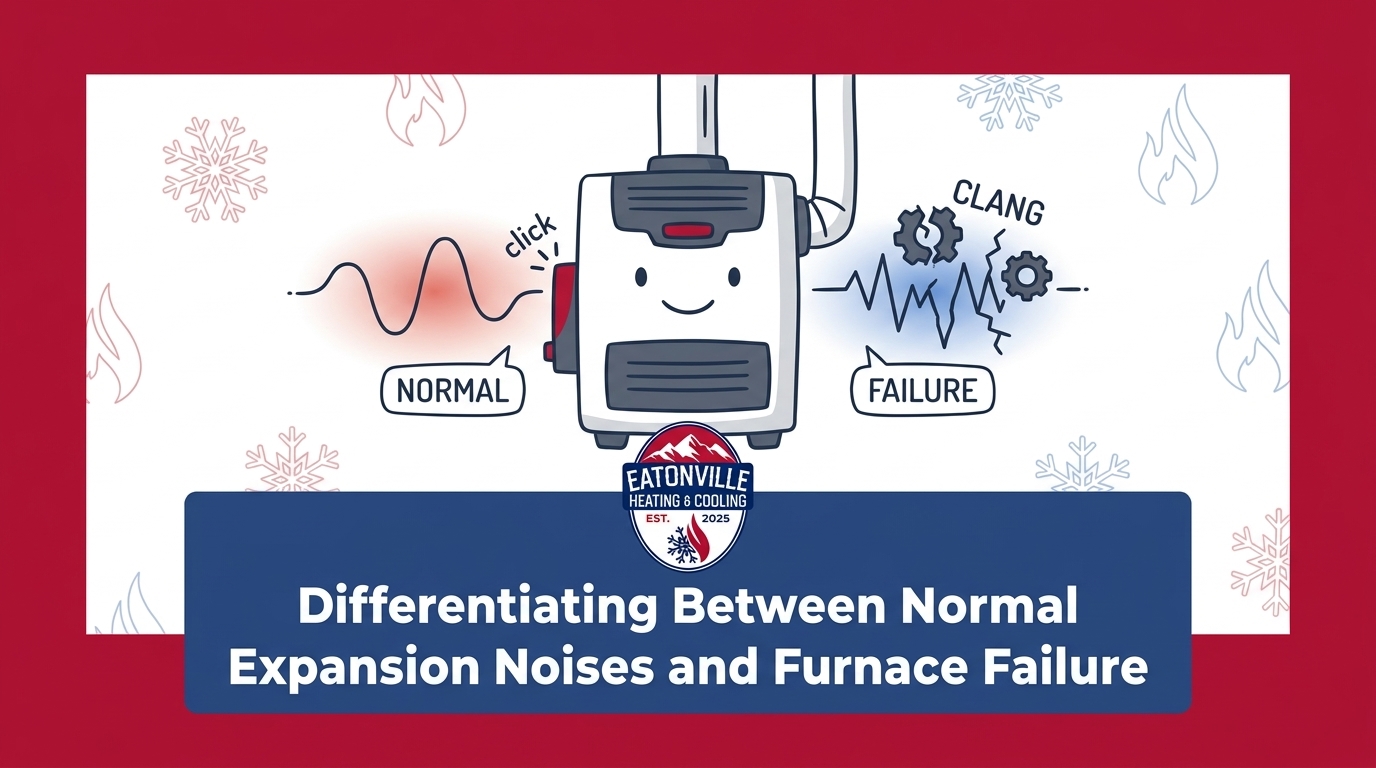
Differentiating Between Normal Expansion Noises and Furnace Failure
Hearing a loud bang on the first chilly fall morning can be terrifying. Decide with confidence whether to let the system run or shut it down for emergency service.
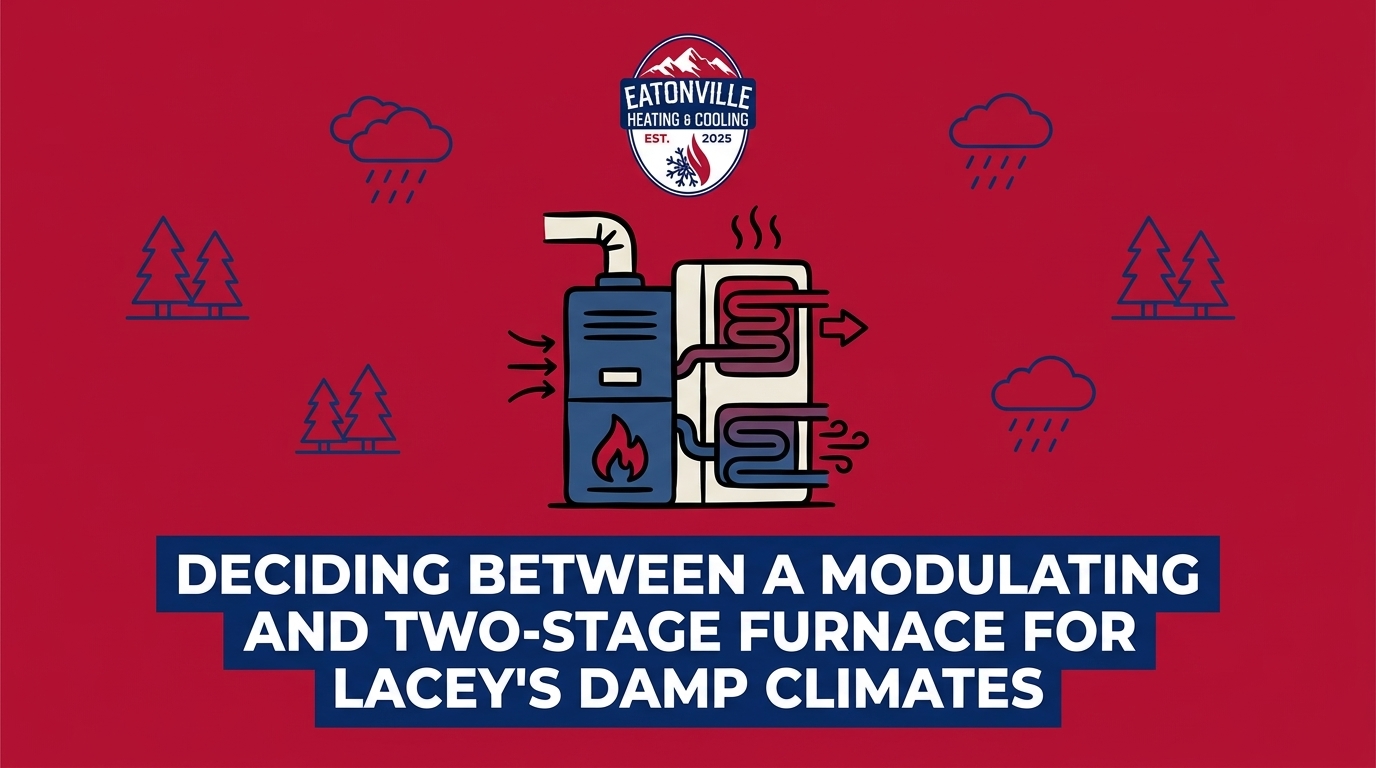
Deciding Between a Modulating and Two-Stage Furnace for Lacey Climates
Upgrading your heating system before the damp winter hits? Find out whether the precise comfort of a modulating unit or the reliability of a two-stage system fits your home.

What a Comprehensive Fall Furnace Inspection Actually Entails
A professional heating tune-up requires much more than a basic filter change. We pull back the curtain on the exact electrical and combustion tests that prevent winter breakdowns.
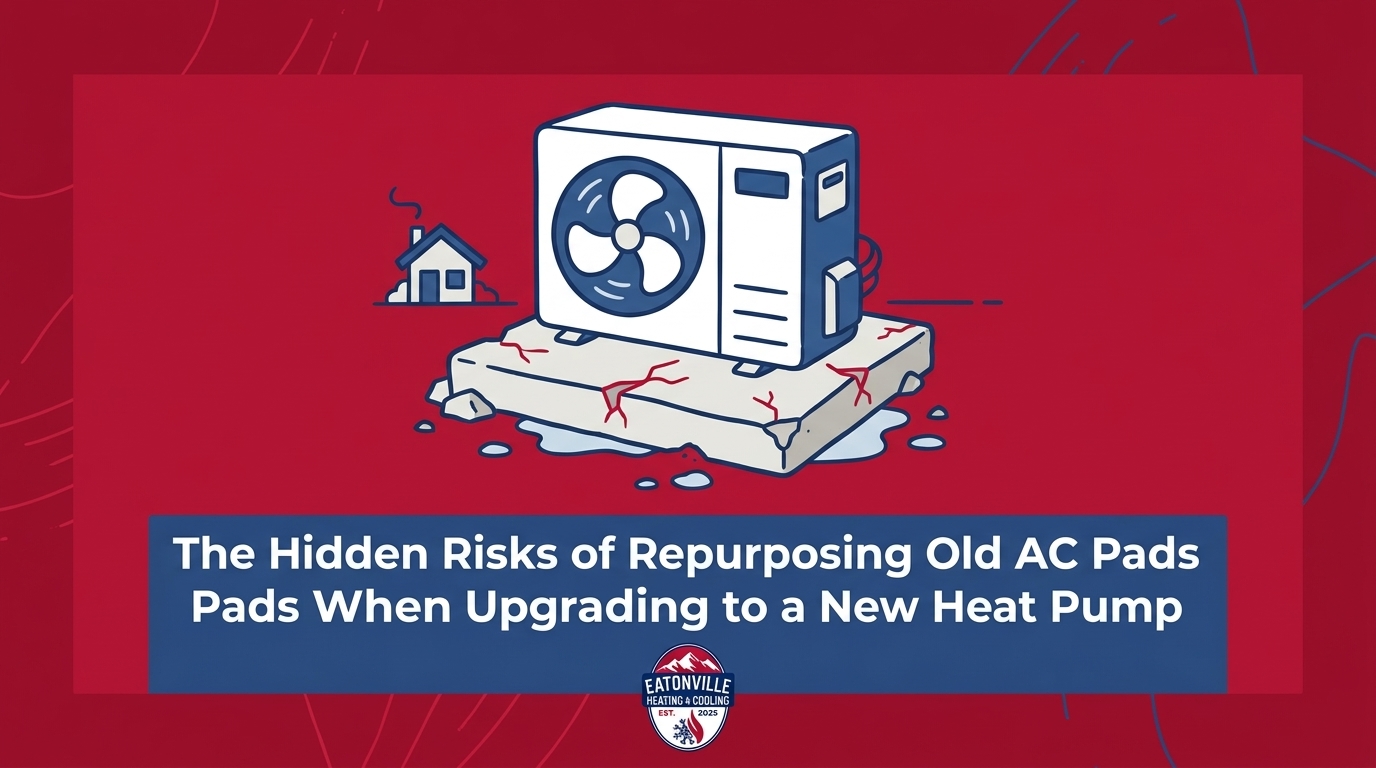
Repurposing Old AC Pads When Upgrading to a New Heat Pump
Preparing for a fall system upgrade? Reusing a sunken 1990s concrete base can cause poor drainage and oil starvation for modern equipment—see why leveling matters.
Why Your System Blows Cold Air for the First Five Minutes of Heating Mode
Turning on your furnace on a chilly fall morning only to feel a freezing breeze is stressful. Find out if that initial blast of cold air is normal or a sign of trouble.
Evaluating Dual-Fuel Systems vs Standard Heat Pumps for Auburn Winters
Sub-freezing overnight temperatures force electric heat pumps to work harder. Explore the efficiency tipping point between standard electric and dual-fuel gas backups to choose the right system.