



The Dilemma of the Sunken Foundation Before Heating Season: Repurposing Old AC Pads When Upgrading to a New Heat Pump
Your aging air conditioner is finally showing its age, and as you prepare for the early fall transition, you notice that the system is struggling to maintain your indoor comfort. The problem is, repurposing old AC pads when upgrading to a new heat pump often reveals a hidden, critical dilemma: the original concrete base has significantly sunk, cracked, or tilted over the decades. Homeowners frequently assume that swapping out an HVAC system is a simple matter of unbolting the old metal box and dropping a brand-new, high-efficiency unit into the exact same footprint. However, when you look closely at that aging concrete slab sitting outside your home, you might realize it is no longer the flat, stable foundation it once was.
This creates a significant decision point just as the weather begins to shift. Do you attempt to reuse the existing, compromised base to save a little time, or do you invest in proper leveling and foundation replacement before the new equipment arrives? The reality is that a modern heating and cooling system is a highly calibrated piece of machinery. Its longevity, efficiency, and operational safety are directly tied to the stability of the foundation it rests upon. When an outdoor unit sits on a slope, every internal moving part is forced to operate under unintended stress, accelerating wear and tear long before the system reaches its expected lifespan.
If you are considering a new heat pump to keep your home comfortable year-round, ensuring the foundation is perfectly secure is just as important as selecting the right equipment. A solid, level base protects your investment, ensures proper mechanical function, and prevents unexpected breakdowns when you need your system the most.
Why Concrete Bases from the 1990s Settle in the Pacific Northwest
If your home features a concrete equipment pad poured in the 1990s, that slab has endured decades of environmental stress. Original concrete bases were incredibly heavy, often poured directly onto the topsoil with minimal aggregate preparation beneath them. Over the span of twenty or thirty years, the sheer weight of the concrete, combined with the vibrations of the heavy air conditioning compressor, causes the pad to slowly press downward into the earth. Because this settling happens at a microscopic rate—fractions of an inch per year—it usually goes entirely unnoticed until a homeowner begins planning for a new installation.
The climate plays a massive role in this gradual degradation. Detail how the heavy rainfall characteristic of the Pacific Northwest saturates local soil, making original concrete pads particularly susceptible to sinking over decades. When the ground absorbs massive amounts of water during the wet season, the soil expands and softens. During the drier summer months, that same soil contracts and hardens. This continuous cycle of expanding and contracting earth creates a shifting subsurface that simply cannot support hundreds of pounds of concrete and metal evenly.
The Impact of Soil Composition and Moisture
Continuous wet and dry cycles alter soil density: As water flows through the ground, it slowly washes away fine soil particles beneath the concrete pad. Over time, this creates tiny underground voids. The heavy concrete eventually collapses into these voids, causing the pad to drop. Because the soil composition around your home is rarely uniform, the density changes at different rates depending on how water moves across your property.
Why one side of a pad typically sinks faster than the other: Uneven settling is incredibly common because of how water runs off your roof or flows away from your home's foundation. If a downspout empties near one corner of the AC pad, that specific corner will experience significantly more soil erosion than the opposite side. The result is a pad that doesn't just sink flatly into the ground, but rather tilts at a severe angle, creating a sloping surface that is highly detrimental to modern HVAC equipment.
Simply dropping a modern, highly sensitive unit onto this compromised, sloping base accelerates wear and tear. The new equipment will vibrate against the uneven surface, potentially causing the heavy concrete to crack further and sink even deeper into the saturated ground.
The Threat of Compressor Oil Starvation on Tilted Units
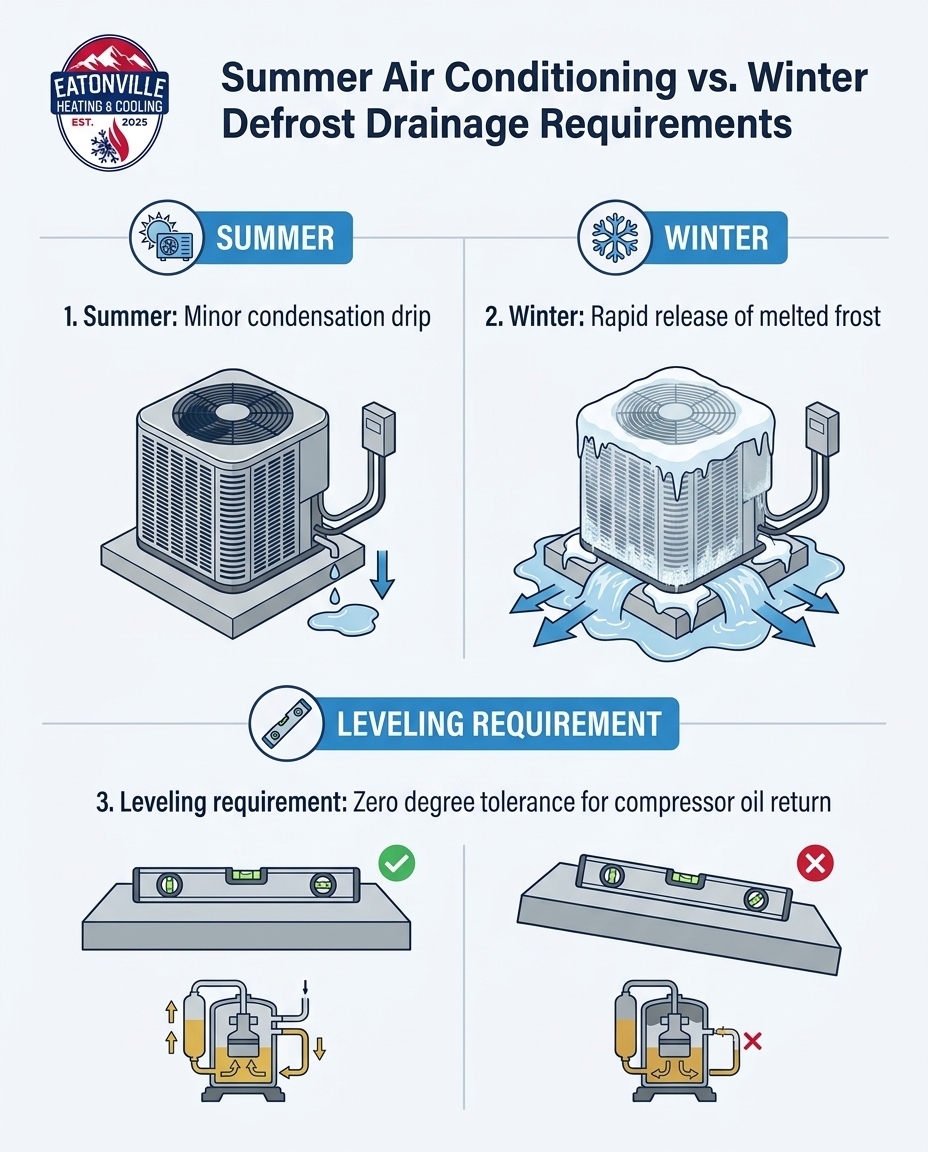
To understand why a level pad is an absolute mechanical necessity, you have to look inside the outdoor unit itself. The heart of your system is the compressor, a powerful pump that circulates refrigerant through the copper lines connecting the outdoor unit to the indoor coil. Much like the engine in your vehicle, modern compressors rely on internal lubrication to function efficiently and prevent metal-on-metal friction. This specialized oil travels alongside the refrigerant as it moves through the system, eventually returning to the compressor to keep the bearings and moving parts thoroughly lubricated.
When an outdoor unit is installed on an unlevel pad, gravity begins to fight against this delicate internal process. The oil that is supposed to return to the compressor can pool in the lower side of the tilted internal coils or in the refrigerant lines themselves. This creates a severe condition known as compressor oil starvation. Without adequate lubrication, the compressor experiences drastically increased friction. This friction generates excessive heat, causing the system to overwork, overheat, and eventually suffer premature mechanical failure.
Many Eatonville WA properties still rely on older, less efficient air conditioners that were built with looser manufacturing tolerances. Those older units could sometimes survive a slight tilt without immediate catastrophic failure. However, modern high-efficiency systems are precision-engineered. The internal clearances are incredibly tight to maximize energy savings. Operating these advanced machines on a slope guarantees that the internal components will grind against each other, drastically reducing the lifespan of the equipment. If you are planning an AC replacement in Eatonville, correcting the foundation tilt is a mandatory step to protect the heart of your new system.
Winter Defrost Cycles: Why Drainage Matters More Now
Upgrading from a summer-only air conditioner to a year-round system introduces an entirely new set of foundational requirements, primarily because of how the equipment operates during the colder months. A traditional air conditioner only runs during the warm season, producing a slow, steady drip of condensation that easily evaporates or soaks into the dry summer ground. A heat pump, however, works through the freezing overnight temperatures that follow wet autumn days in the region. During the early fall transition and throughout the winter, the outdoor coils extract heat from the cold air, which naturally causes frost and solid ice to accumulate on the exterior of the unit.
To prevent this ice from completely suffocating the system, the equipment periodically enters a winter defrost cycle. It temporarily reverses its operation, sending warm refrigerant back to the outdoor coils to rapidly melt the accumulated frost. This process releases a significant volume of water all at once. This water must drain away from the base of the unit immediately.
• Moisture Source — Summer Air Conditioning: Humidity removed from indoor air — Winter Heat Pump Operation: Frost melted off outdoor coils
• Water Volume — Summer Air Conditioning: Slow, continuous drip — Winter Heat Pump Operation: Rapid, heavy release of water
• Drainage Urgency — Summer Air Conditioning: Low (water evaporates easily in summer heat) — Winter Heat Pump Operation: High (water will refreeze quickly in winter air)
• Consequence of Poor Drainage — Summer Air Conditioning: Minor puddling around the base — Winter Heat Pump Operation: Solid ice blocks the fan blades and crushes coils
When a sunken pad prevents this rapid drainage, the water pools directly beneath the unit. As the freezing overnight temperatures return, that pooled water turns into a solid block of ice. This ice buildup can quickly climb the sides of the equipment, restricting essential airflow, bending the delicate aluminum fins, and even freezing the fan blades solid. Emphasizing proper elevation and leveling is non-negotiable for winter operation; the base must be high enough and pitched perfectly to allow this massive volume of water to flow safely away from the machinery.
Protecting Your Equipment Warranty With Proper Foundation Leveling
When you invest in a state-of-the-art heating and cooling system, that equipment comes with a manufacturer warranty designed to protect you against factory defects. However, many homeowners are surprised to learn that these warranties are heavily conditional. Manufacturer installation guidelines explicitly state that the outdoor unit must be placed on a perfectly level surface with specific ground clearances. If a compressor fails and the manufacturer determines that the root cause was oil starvation due to an unlevel 1990s base, they can—and often will—void the warranty entirely, leaving the homeowner responsible for a massive repair bill.
Proper foundational work is not an optional upsell; it is a mandatory step to protect your significant financial investment. Catastrophic failures traced back to improper installation are entirely preventable. For example, one homeowner recently needed a comprehensive system upgrade, requiring both a heat pump and a furnace replacement. By ensuring the foundation was perfectly leveled and the installation was handled meticulously without cutting corners, the customer was ultimately glad they chose to work with a professional team that prioritized long-term reliability over a quick, careless swap.
This is why Eatonville Heating & Cooling refuses to cut foundational corners. A high-quality installation treats the equipment pad as a critical system component, not just an afterthought. Addressing the base during a heater installation is vastly more cost-effective than paying out of pocket to replace a seized compressor two years down the road. When the foundation is solid, the warranty remains intact, and the equipment can perform exactly as the engineers intended.
Criteria for Evaluating Your Existing Condenser Base
Before the installation crew arrives at your home, it is important to assess the current state of your outdoor foundation. While a licensed professional will make the final determination, homeowners in Eatonville WA properties can look for several clear indicators that their old base needs to be replaced or professionally leveled.
• Visual inspection for degradation: Look closely at the concrete for deep cracks, crumbling edges, or severe surface degradation. If the concrete is spalling (flaking away) or breaking apart into chunks, it no longer has the structural integrity to support a heavy, vibrating machine.
• Measuring the degree of tilt: Place a standard bubble level across the top of the existing pad. If the bubble rests outside the center lines in any direction, the pad has sunk. Even a tilt of a few degrees is enough to disrupt the internal oil return of a modern compressor.
• Checking clearance heights: Look at where the pad sits relative to the surrounding soil and landscaping. The base must be elevated high enough to ensure the unit won't be buried by winter snowdrifts or sit in standing water during heavy fall rainstorms. If the grass has grown taller than the pad, it has sunk too far.
• Assessing the footprint size: Modern, high-efficiency equipment is typically much larger, taller, and wider than older models due to increased coil surface area requirements. An old pad may simply be too small to safely accommodate the footprint of the new system, causing the unit to overhang the edges dangerously.
Evaluating these criteria ensures that your new system will have the stable, properly sized home it requires. If you are unsure about your current setup, learning more about placing condensers in Eatonville can help you understand the specific requirements for your property.
Frequently Asked Questions About Equipment Foundations
Can I use my old AC pad for a new heat pump?
It is generally not recommended to reuse an old pad unless it is perfectly level, structurally sound, and large enough for the new unit. Old concrete pads from decades ago have often settled, cracked, or tilted due to soil erosion. Placing a modern, sensitive system on a compromised pad can lead to poor drainage, severe vibration issues, and premature mechanical failure. A professional installer will evaluate the pad to determine if it meets the strict manufacturer specifications required for your new equipment.
Why does a heat pump pad need to be perfectly level?
A perfectly level pad is required to ensure proper internal lubrication and safe operation. The compressor inside the unit relies on oil that travels with the refrigerant; if the unit is tilted, gravity prevents this oil from returning properly, leading to oil starvation, overheating, and eventual compressor death. Additionally, an unlevel surface causes the fan motor and internal bearings to operate at an angle, drastically increasing friction and wear over time.
What happens if a heat pump cannot drain properly during winter?
If the unit cannot drain properly during the winter defrost cycle, the massive volume of melted frost will pool around the base of the equipment and quickly refreeze. This creates a solid block of ice that can climb up the exterior coils, completely blocking the airflow required to heat your home. In severe cases, the expanding ice can crush the delicate aluminum fins or freeze the fan blades solid, causing the fan motor to burn out when it attempts to turn.
Do modern HVAC units require a different size pad than older models?
Yes, modern high-efficiency units are typically much larger than older models. To meet stricter energy efficiency regulations, manufacturers have significantly increased the surface area of the outdoor coils, resulting in units that are taller and wider. A pad that perfectly fit a unit from the early fall transition of the 1990s will likely be too small for a modern system, causing the new equipment to hang precariously off the edges.
Are composite equipment pads better than traditional concrete?
Modern composite pads offer several distinct advantages over traditional poured concrete. They are specifically engineered to absorb heavy vibrations, reducing the noise transmitted into your home. Furthermore, they are incredibly durable, resistant to freeze-thaw cycles, and will not crack or crumble over time like aging concrete. While concrete is still used in many applications, heavy-duty composite pads have become an industry standard for their longevity and reliability.
Securing a Reliable System for the Years Ahead
Upgrading your home comfort system is a major step toward better energy efficiency and reliable temperature control, but a successful upgrade requires meticulous attention to both the equipment and its foundation. Repurposing old AC pads when upgrading to a new heat pump might seem like a harmless shortcut, but as we have explored, the mechanical risks simply outweigh any perceived convenience. From ensuring proper compressor oil return to guaranteeing safe, rapid drainage during heavy winter defrost cycles, a perfectly level and elevated base is the literal foundation of your system's longevity.
When you are ready to make the transition, partnering with professionals who prioritize comprehensive installation standards ensures that your investment is protected. By addressing the foundation correctly the first time, homeowners in Eatonville WA properties can enjoy quiet, efficient, and reliable comfort for decades to come, knowing their system is operating exactly as the manufacturer intended.
Recent Posts
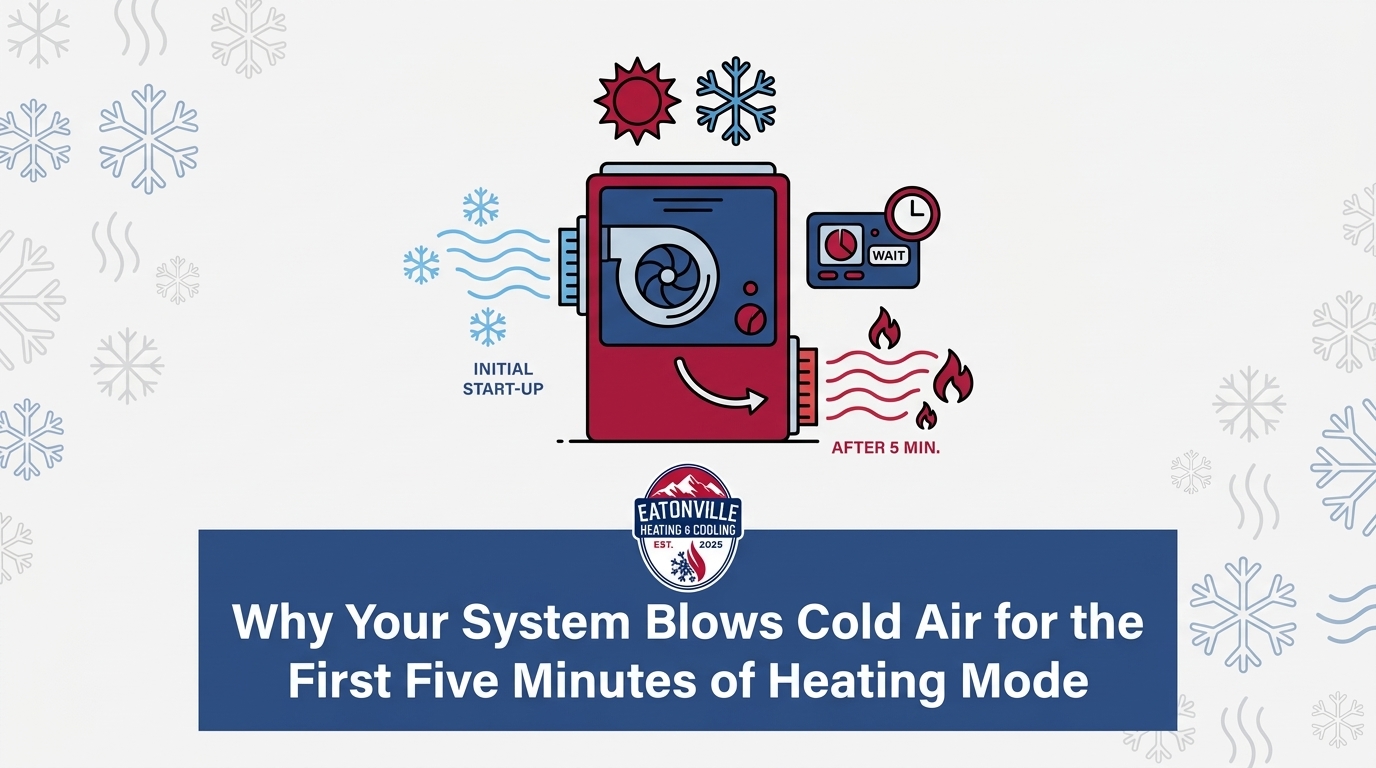
Why Your System Blows Cold Air for the First Five Minutes of Heating Mode
Turning on your furnace on a chilly fall morning only to feel a freezing breeze is stressful. Find out if that initial blast of cold air is normal or a sign of trouble.
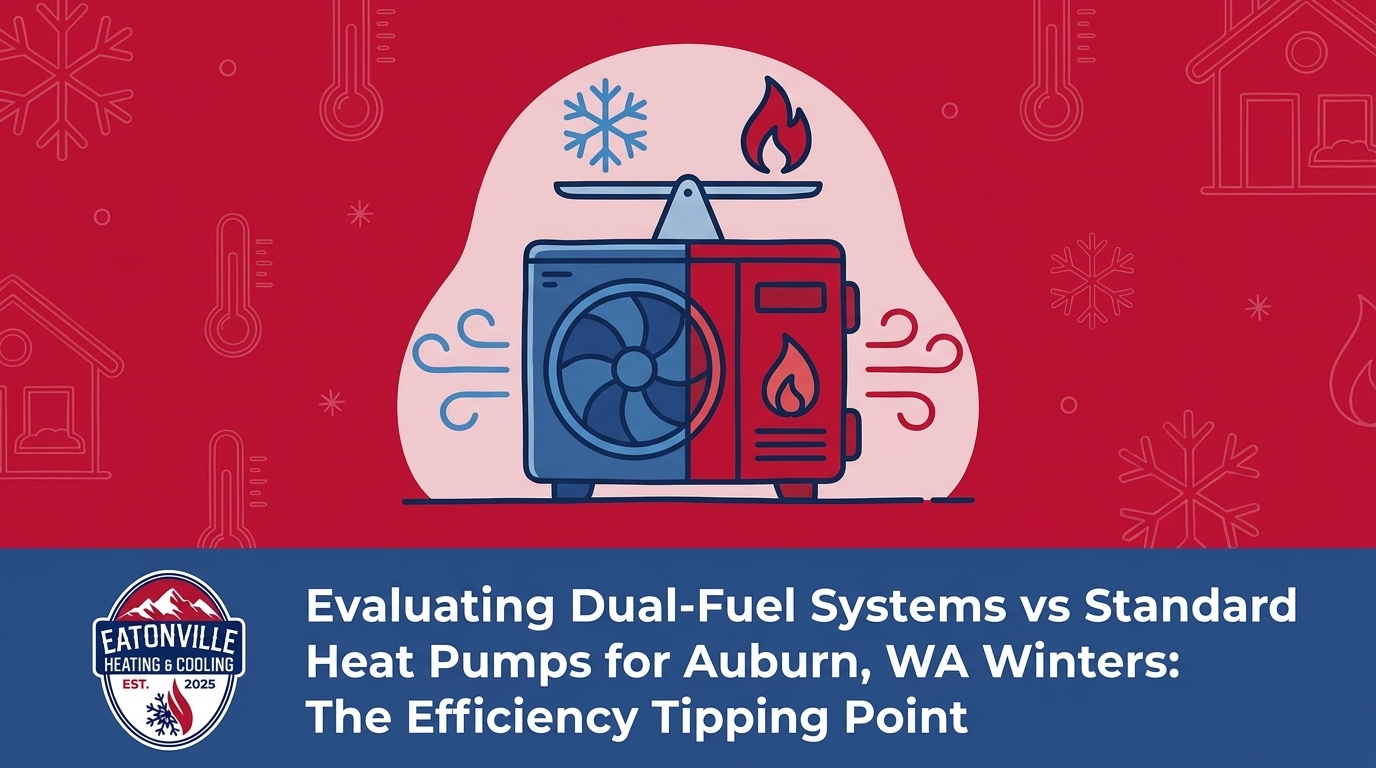
Evaluating Dual-Fuel Systems vs Standard Heat Pumps for Auburn Winters
Sub-freezing overnight temperatures force electric heat pumps to work harder. Explore the efficiency tipping point between standard electric and dual-fuel gas backups to choose the right system.
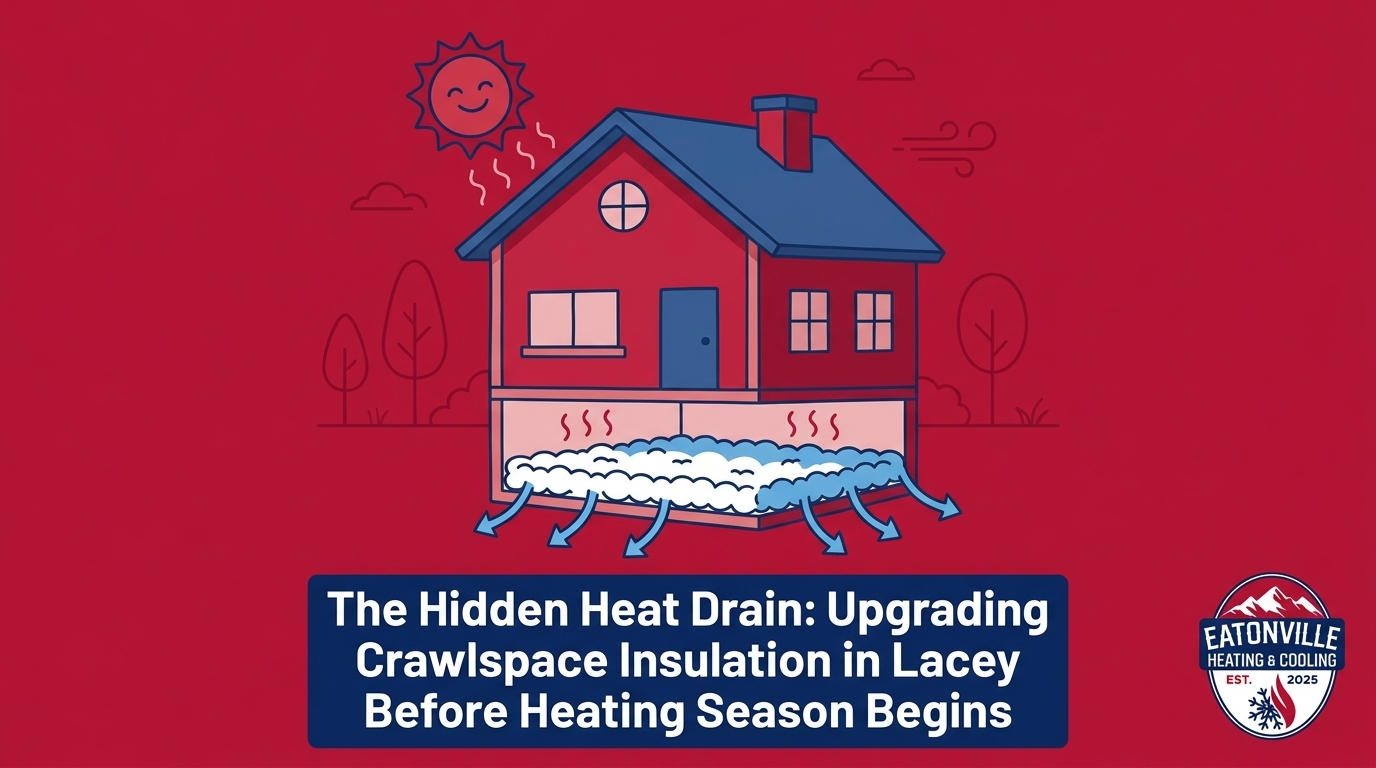
Upgrading Crawlspace Insulation in Lacey Before Heating Season Begins
Don't let your furnace work overtime just to heat the damp air beneath your floorboards. Upgrading your crawlspace insulation stops hidden heat loss and keeps your living room warm all winter long.
Planning Your Pre-Winter HVAC Tune-Up Schedule in Eatonville
The first fall freeze always triggers a scheduling panic for heating repairs. Booking your maintenance in September guarantees priority service when temperatures drop.
Planning Your Pre-Winter HVAC Tune-Up Schedule in Eatonville
The first fall freeze always triggers a scheduling panic for heating repairs. Booking your maintenance in September guarantees priority service when temperatures drop.
Securing Your AC Condenser Against Falling Leaves and Autumn Debris
Wet September leaves can trap moisture inside your outdoor base pan, causing rust and restricted airflow. See how clearing this debris protects your winter heating cycle.