

Repair or Replace Your AC? How to Make the Right Call
When your air conditioner starts having issues, one of the most important decisions you’ll face is whether to repair the system or replace it entirely. Making the right choice can impact your comfort, energy costs, and l
When your air conditioner starts having issues, one of the most important decisions you’ll face is whether to repair the system or replace it entirely. Making the right choice can impact your comfort, energy costs, and long-term investment. At Eatonville Heating & Cooling, we help homeowners evaluate their options based on system condition, performance, and overall cost.
Some problems can be resolved quickly with a simple repair, while others may indicate that your system is nearing the end of its lifespan. Knowing how to weigh these factors can help you avoid unnecessary expenses and ensure reliable cooling.
Key Factors That Influence Your Decision
One of the first things to consider is the age of your system. Most air conditioners are designed to last between 10 and 15 years. As systems get older, they naturally lose efficiency and become more prone to breakdowns.
If your unit is still relatively new and has been well maintained, repairs are often the most practical option. However, if your system is approaching or exceeding its expected lifespan, replacement may provide better long-term value.
Another important factor is the frequency of repairs. Occasional service calls are normal, but repeated issues can quickly add up. If you’re scheduling repairs multiple times a year, it may be more cost-effective to invest in a new system.
You should also consider how well your current system is meeting your needs. If your home struggles to stay cool or certain areas never reach the desired temperature, your system may no longer be properly sized or capable of delivering consistent performance.
Understanding Repair Costs vs. Replacement Value
When deciding between repair and replacement, it’s important to compare the cost of fixing your current system with the potential benefits of upgrading to a new one.
A commonly used guideline is the “50% rule.” If the cost of a repair is close to half the value of a new system, replacement is often the better option. This is especially true if your unit is older and likely to need additional repairs in the near future.
Beyond the upfront cost, energy efficiency plays a major role in long-term savings. Newer systems are built to higher efficiency standards, which means they use less energy to achieve the same level of cooling. Over time, these savings can offset the initial investment.
Other considerations include:
• Warranty coverage on new equipment
• Improved indoor comfort and temperature consistency
• Reduced risk of unexpected breakdowns
• Compatibility with modern thermostat technology
These benefits can make replacement a more attractive option, particularly for aging systems.
Signs Your AC Is a Good Candidate for Repair
In many cases, repairing your air conditioner is the most practical solution, especially when the issue is isolated and the system is still in good condition.
Your system may be a good candidate for repair if:
• It is less than 10 years old
• The issue is minor, such as a faulty capacitor or clogged drain line
• Energy bills have remained stable
• The system has a consistent maintenance history
Addressing small issues promptly can prevent larger problems and extend the life of your system. Regular maintenance also helps ensure that repairs remain effective and that your system continues to operate efficiently.
Signs It May Be Time for a Replacement
There are situations where replacing your AC system is the more reliable and cost-effective choice. If your unit is no longer performing efficiently or requires frequent repairs, continuing to invest in it may not make sense.
Common signs that indicate replacement may be the better option include:
• Your system is more than 12–15 years old
• Repairs are becoming more frequent and expensive
• Your home experiences uneven cooling
• Energy bills continue to rise despite maintenance
• The system uses outdated refrigerant that is harder to source
Older systems often struggle to keep up with modern cooling demands, and replacing them can significantly improve both comfort and efficiency.
The Role of Energy Efficiency in Your Decision
Energy efficiency is one of the biggest advantages of upgrading to a new AC system. Modern units are designed to meet higher efficiency standards, which means they can cool your home more effectively while using less energy.
This improvement not only lowers your monthly utility bills but also reduces wear and tear on the system. Over time, a more efficient unit can provide consistent performance with fewer service calls.
In addition, newer systems often include advanced features such as variable-speed operation and improved humidity control. These enhancements contribute to a more comfortable indoor environment and better overall performance.
Why a Professional Assessment Matters
Every home and AC system is different, which is why a professional evaluation is essential when making this decision. A trained technician can assess the condition of your system, identify underlying issues, and provide recommendations based on your specific situation.
At Eatonville Heating & Cooling, we take a comprehensive approach to evaluating your system. We consider factors such as age, performance, repair history, and energy efficiency to help you make an informed decision.
Our goal is to provide clear, practical guidance so you can choose the option that best fits your needs and budget. Whether that means a targeted repair or a full system replacement, taking the right approach ensures reliable comfort and long-term value for your home.
Recent Posts
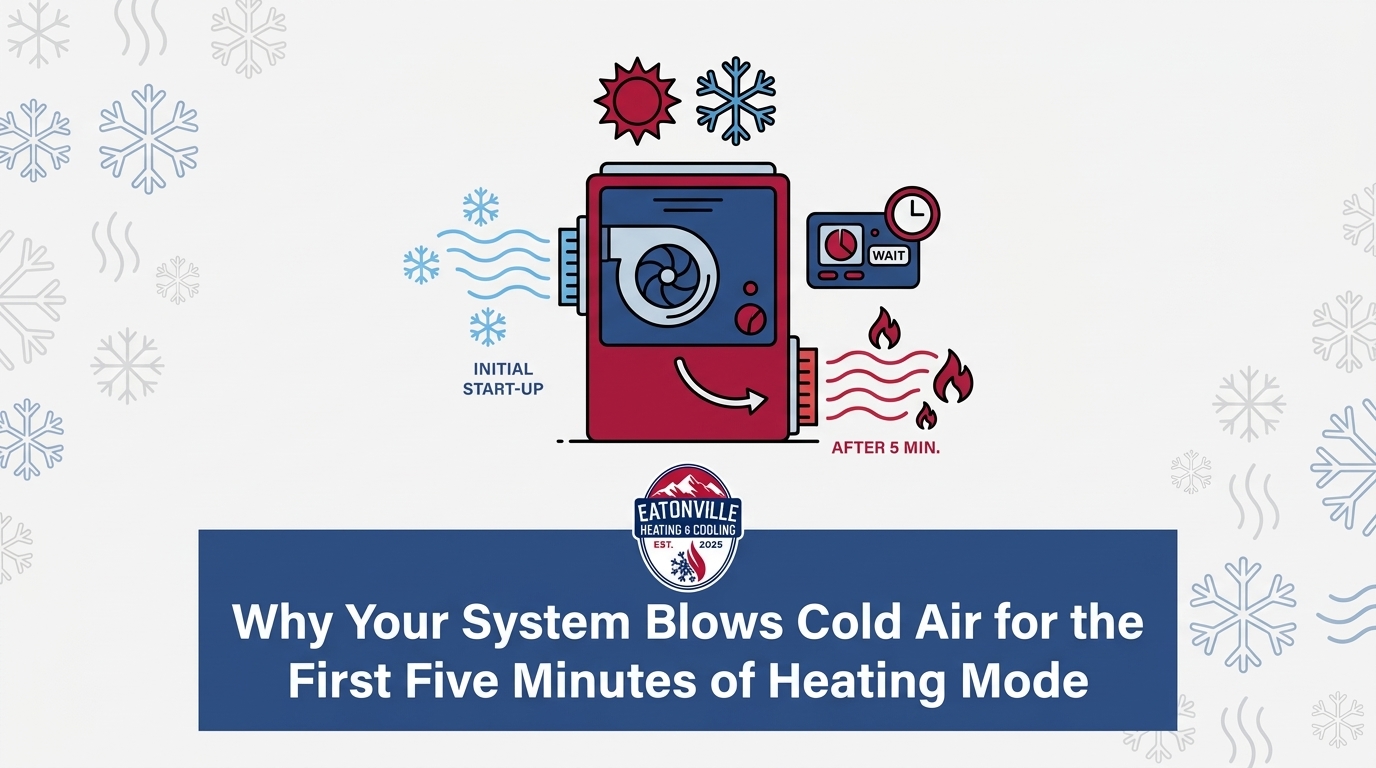
Why Your System Blows Cold Air for the First Five Minutes of Heating Mode
Turning on your furnace on a chilly fall morning only to feel a freezing breeze is stressful. Find out if that initial blast of cold air is normal or a sign of trouble.
Evaluating Dual-Fuel Systems vs Standard Heat Pumps for Auburn Winters
Sub-freezing overnight temperatures force electric heat pumps to work harder. Explore the efficiency tipping point between standard electric and dual-fuel gas backups to choose the right system.
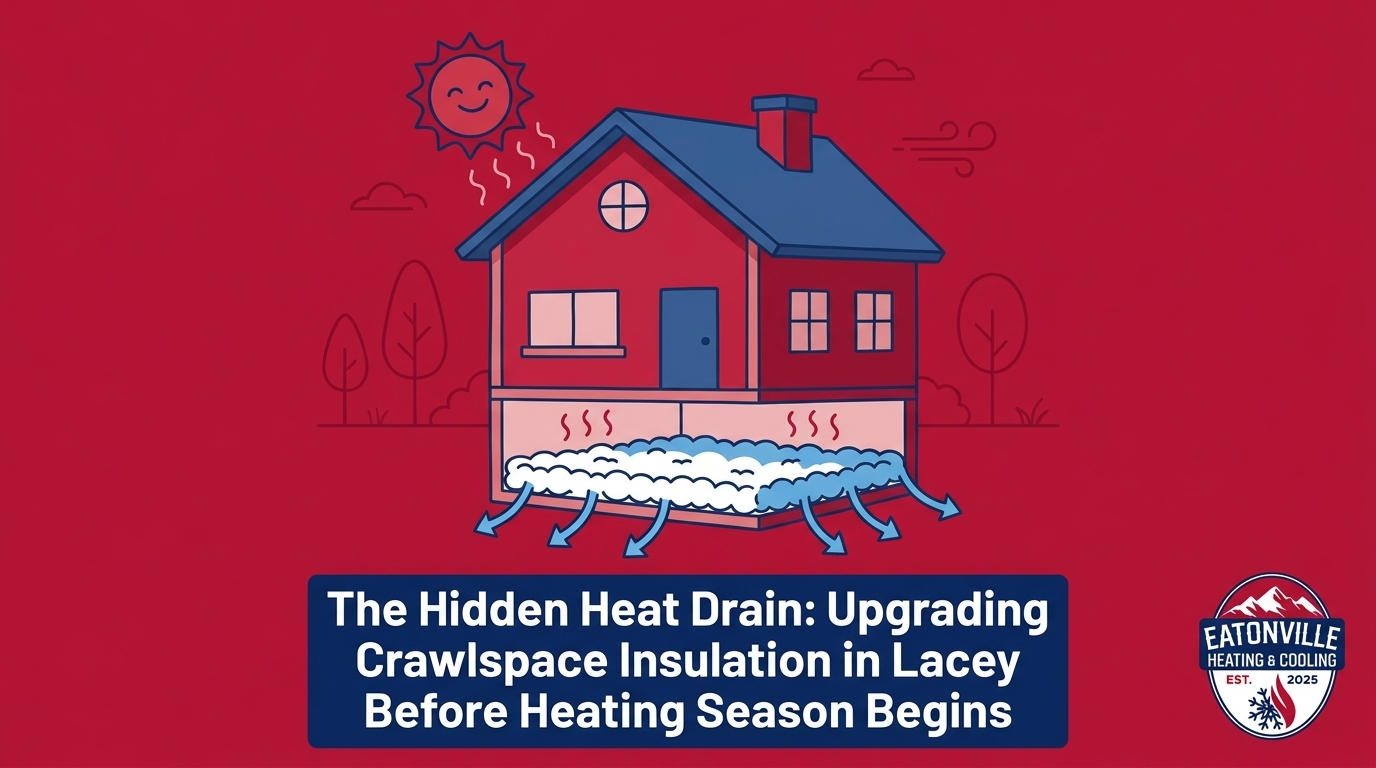
Upgrading Crawlspace Insulation in Lacey Before Heating Season Begins
Don't let your furnace work overtime just to heat the damp air beneath your floorboards. Upgrading your crawlspace insulation stops hidden heat loss and keeps your living room warm all winter long.
Planning Your Pre-Winter HVAC Tune-Up Schedule in Eatonville
The first fall freeze always triggers a scheduling panic for heating repairs. Booking your maintenance in September guarantees priority service when temperatures drop.
Planning Your Pre-Winter HVAC Tune-Up Schedule in Eatonville
The first fall freeze always triggers a scheduling panic for heating repairs. Booking your maintenance in September guarantees priority service when temperatures drop.
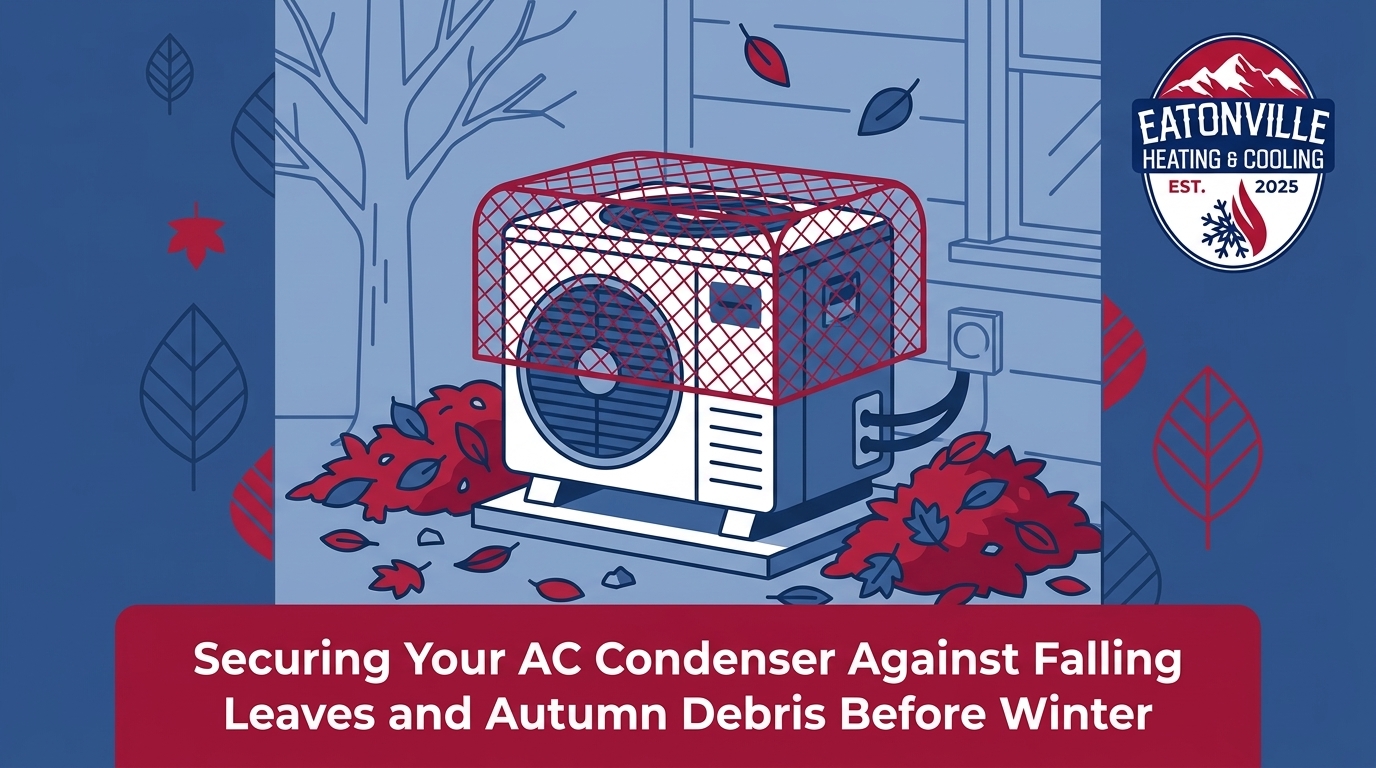
Securing Your AC Condenser Against Falling Leaves and Autumn Debris
Wet September leaves can trap moisture inside your outdoor base pan, causing rust and restricted airflow. See how clearing this debris protects your winter heating cycle.