
 blog
blogAn Essential Guide to Tacoma Power Rebates for Heat Pump and AC Upgrades in Pierce County 2025
What Tacoma Power Rebates for Heat Pump and AC Upgrades in Pierce County 2026 Actually Cover Tacoma Power rebates for heat pump and AC upgrades in Pierce County 2026 give eligible homeowners a real opportunity to cut the
What Tacoma Power Rebates for Heat Pump and AC Upgrades in Pierce County 2026 Actually Cover
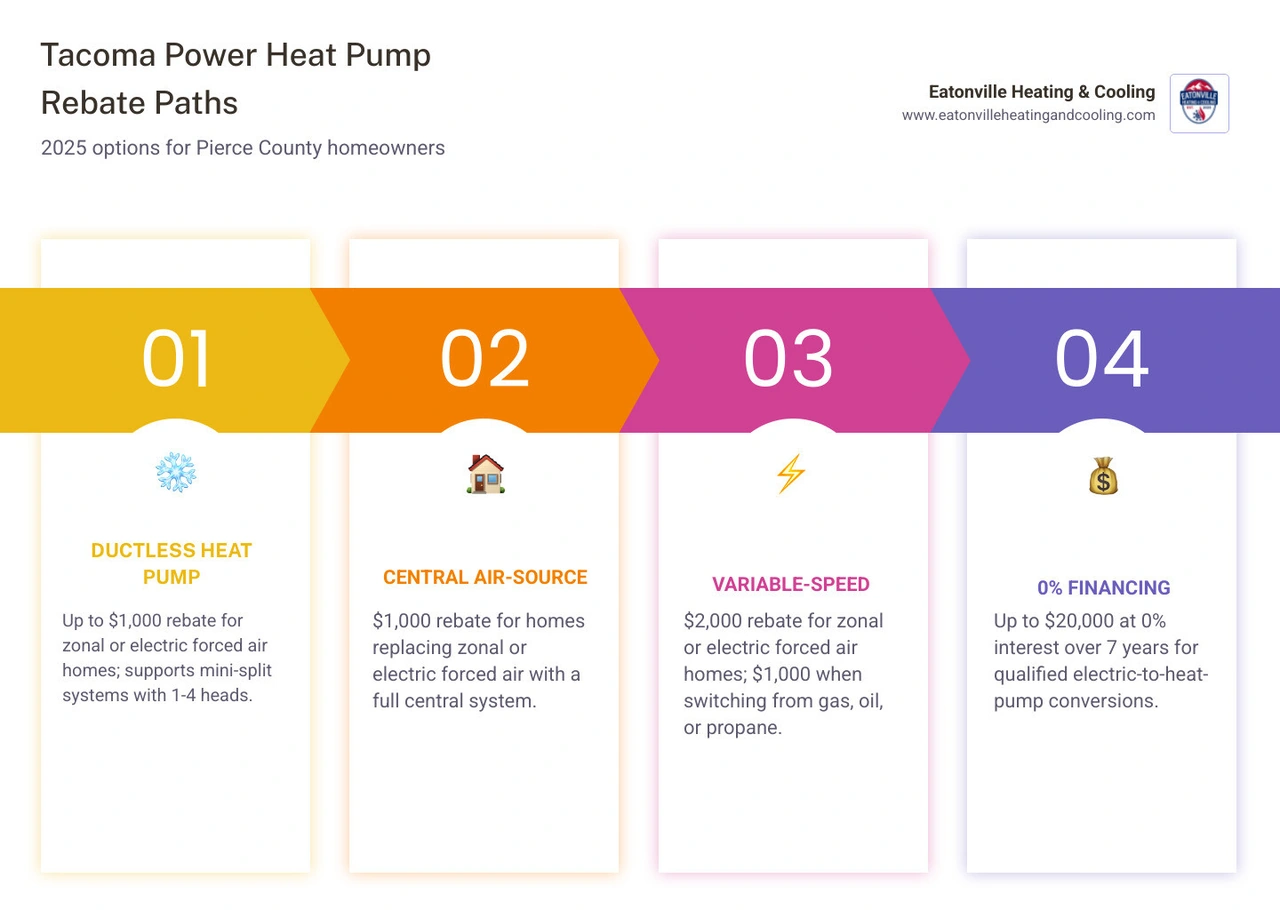
Tacoma Power rebates for heat pump and AC upgrades in Pierce County 2026 give eligible homeowners a real opportunity to cut the upfront cost of switching to energy-efficient heating and cooling. Here is a quick look at what is currently available:
Tacoma Power Heat Pump Rebate Quick Reference (2026)
Note: AC-only systems generally do not qualify. Heat pumps provide both heating and cooling, making them the eligible upgrade path under this program.
Upgrading your home's heating and cooling system is one of the bigger decisions a homeowner can make — and figuring out which rebates you actually qualify for can feel overwhelming. Between Tacoma Power's own incentive programs, the now-paused HEAR Program for income-qualified households, and overlapping federal tax credits, there is a lot to sort through before you ever talk to a contractor.
That is exactly what this guide is designed to help you do.
I'm Matthew Percy, owner of Eatonville Heating & Cooling, and I've helped Pierce County homeowners navigate Tacoma Power rebates for heat pump and AC upgrades in Pierce County 2026 — making sure the right equipment gets installed the right way so nothing falls through the cracks at rebate time. In the sections ahead, I'll walk you through every key detail so you can move forward with confidence.
Tacoma Power Rebates for Heat Pump and AC Upgrades in Pierce County 2026
If you live in Pierce County, the first thing to know is simple: rebate eligibility depends on your electric utility, not just your city. Many homeowners in Tacoma, Lakewood, University Place, Spanaway, Puyallup, Bonney Lake, Gig Harbor, Federal Way, and nearby areas assume every local program applies to them. Unfortunately, utilities do not work that way.
Tacoma Power rebates generally apply to homes in Tacoma Power's service area. If your home is served by a different utility, you may need a different rebate path.
What Tacoma Power currently offers homeowners in 2026
For qualifying residential projects, Tacoma Power's main heat pump-related incentives include:
• Rebates for ductless heat pumps
• Rebates for central air-source heat pumps
• Higher rebates for qualifying variable-speed heat pumps
• A 0% interest loan for some electric-to-heat-pump conversions
• Deferred loan options for some income-qualified households
• The HEAR Program, which offered deeper help for income-qualified electrification projects but was not accepting new applications based on the program update in the research
Heat pumps matter here because they provide both heating and cooling. That is why these programs are often the practical rebate path for homeowners who want better summer comfort without installing cooling-only equipment.
Tacoma Power also notes that heat pumps can reduce electricity used for heating by about 25% to 50% compared with electric resistance heating. That is a major reason homes with baseboard heat or older electric furnaces often see the most benefit.
What does and does not count as an AC upgrade under tacoma power rebates for heat pump and ac upgrades in pierce county 2026
This is where many homeowners get tripped up.
What usually counts:
• A qualifying heat pump that heats and cools
• A ductless mini-split heat pump
• A central air-source heat pump
• A qualifying variable-speed heat pump
What usually does not count:
• Central AC-only installation
• Cooling-only equipment
• New construction
• DIY installations
• Replacing one existing ductless heat pump with another and expecting a standard Tacoma Power rebate
In other words, if you are installing "just AC," that usually does not qualify under Tacoma Power's heat pump rebate structure. If you are replacing electric resistance heat, or in some cases switching from fossil fuel heat to a qualifying variable-speed heat pump, you may have a rebate path.
Tacoma Power rebate amounts by system type and existing heat source
Here is the practical breakdown homeowners usually need:
That higher incentive for variable-speed equipment is worth noting. These systems can deliver more even comfort, better modulation, and often stronger performance in real-world Pacific Northwest conditions.
Heat Pump Rebate Amounts, Efficiency Standards, and Installation Rules
Tacoma Power does not rebate just any heat pump. The equipment and installation both have to meet specific requirements.
Ductless vs central systems: which incentives apply
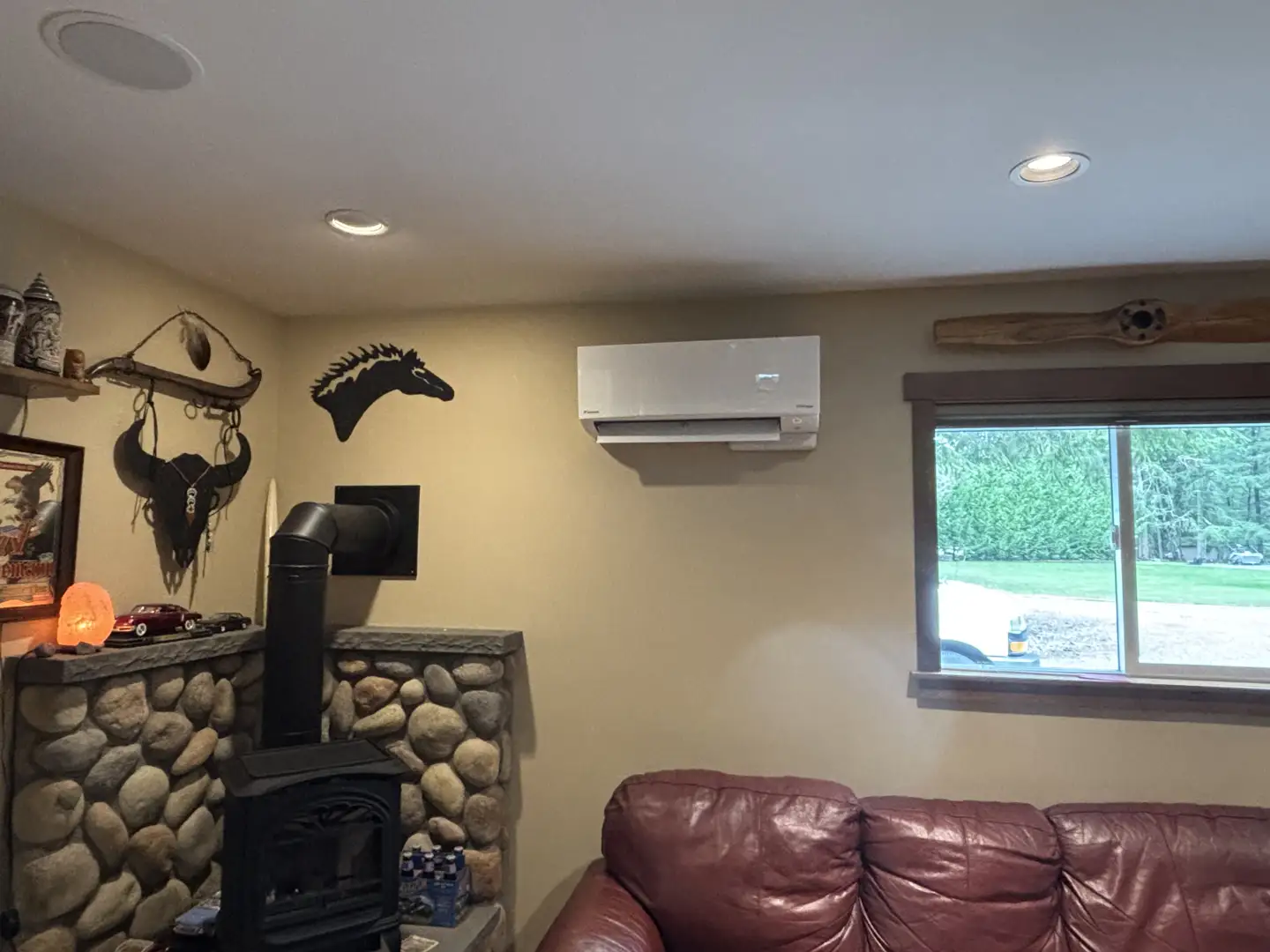
Ductless heat pumps, also called mini-splits, are often a strong fit for:
• Homes with electric baseboard heat
• Homes without usable ductwork
• Additions, bonus rooms, and targeted comfort zones
• Homeowners who want room-by-room control
Central heat pumps are often better for:
• Homes with existing ductwork in good condition
• Homeowners who want whole-home heating and cooling through one ducted system
• Replacing older electric forced-air systems
• Larger homes where a single integrated system makes sense
Important rebate-related differences include:
• Ductless units typically need to be installed in the main living area
• Multi-zone ductless systems may have different rebate treatment depending on the number of indoor heads
• Central systems rely on existing ducts, so duct condition can affect performance and project scope
• Variable-speed central systems may qualify for a higher rebate than standard air-source systems
If you are trying to decide between the two, the house usually votes before the homeowner does. A home with no ductwork is rarely begging for a central system. A home with solid ducts already in place often makes central heat pump installation more straightforward.
Eligibility rules for homes, equipment, and contractors
To qualify for Tacoma Power heat pump incentives, homeowners generally need to meet several core requirements:
• The home must be in Tacoma Power's service area
• The applicant must be a Tacoma Power residential customer
• The installation must be done in an existing home, not new construction
• The system must be installed by a participating contractor
• The equipment must meet required efficiency standards
• The home's existing heating system must match an eligible replacement category
• The installation must comply with building, electrical, and mechanical code requirements
• Previously incentivized or excluded scenarios may not qualify
• DIY installations are not eligible
On the equipment side, the research points to these minimum standards for qualifying high-efficiency units:
• AHRI-certified equipment
• Minimum HSPF 9.0 or HSPF2 7.5
• Minimum SEER 15 or SEER2 14.3
That AHRI certification piece is especially important. It is the formal way the equipment's matched performance is verified. If the installed combination does not match certified data, rebate approval can get messy fast.
Documentation required to receive a rebate
Tacoma Power typically requires documentation that proves both the equipment and the installation meet program rules. Homeowners should expect to gather:
• Rebate or project application forms
• Itemized contractor invoice
• Installed model numbers
• AHRI certificate
• Heat load calculations
• Contractor details
• Permit information, when required
• Proof the installation meets program specifications
The invoice usually needs to be more than "installed heat pump, thank you very much." It should clearly identify the system and scope of work.
A good document checklist includes:
• Completed Tacoma Power application
• Final itemized invoice
• AHRI certificate for the installed system
• Manual load calculations or equivalent sizing documentation
• Contractor information
• Permit records if applicable
How participating contractors affect rebate approval
Participating contractors are not a minor detail. They are central to rebate eligibility.
Using a participating contractor helps with:
• Correct equipment selection
• Proper sizing
• Required documentation
• Code-compliant installation
• Program paperwork
• Avoiding nonqualifying system matches
Tacoma Power's own guidance encourages homeowners to get bids from participating contractors and submit the project for approval before installation. That is smart advice. It is much easier to get a project right at the start than to try to rescue rebate eligibility after the fact.
If you want local help understanding heat pump options in Tacoma, we also cover that here: heat pump installation in Tacoma.
Tacoma Power Financing, Deferred Loans, and HEAR Program Updates
For many households, the rebate is only part of the story. Financing can make the upgrade more manageable.
Does Tacoma Power offer 0% interest loans for heat pumps?
Yes, Tacoma Power offers a 0% interest loan for some qualifying heat pump projects.
Based on the research, key points include:
• Loan amount up to $20,000
• Repayment term up to 7 years
• Intended for qualifying electric-to-heat-pump conversions
• Program rules and approval timing matter
This financing is especially relevant for homes replacing electric resistance heat, such as:
• Electric baseboard systems
• Electric wall heaters
• Older electric forced-air furnaces
Not every heat pump project will qualify automatically, so homeowners should confirm loan eligibility before work starts.
Deferred loans and income-qualified options for Pierce County households
Tacoma Power also references deferred loan options for income-qualified households. These are designed to help homeowners who may not be able to take on a conventional financing structure.
Exact qualification details can vary by program, but homeowners should expect possible review of:
• Household income
• Program eligibility
• Supporting documentation
• Project type
• Utility account standing
If you think you may qualify for an income-based option, it is worth speaking directly with Tacoma Power's energy advisor team rather than guessing. Guessing is great for weather forecasts and casserole recipes, not rebate compliance.
Is the HEAR Program still accepting applications in 2026?
Based on the program updates, the Home Electrification Appliance Rebate, or HEAR, Program is currently not accepting new applications.
That matters because HEAR was one of the most generous options available for lower- and moderate-income households. It was funded through Washington's Climate Commitment Act and structured to help eligible Tacoma Power customers electrify space and water heating.
The research indicates:
• Applications were reviewed first-come, first-served when open
• Level 1 households were up to 60% of area median income
• Level 2 households were up to 100% of area median income
• Level 2 applicants could be waitlisted when funds were limited
• New applications were paused according to the posted program update
So for homeowners researching options in 2026, the HEAR program remains paused for new applications at this time.
What HEAR covers when funding is open
When open, HEAR could cover a substantial portion of eligible electrification work, including up to 100% of costs for qualifying households according to the research.
Covered items could include:
• High-efficiency electric heat pumps for space heating
• Heat pump water heaters
• Necessary electrical upgrades tied to the installation
• Single-family homes
• Multifamily properties up to 4 units
• Renters in eligible properties
• Required inspections
• Approved-contractor installation
The application process generally started with a completed application, followed by an energy assessment and use of approved contractors if the home was accepted.
Other Pierce County Incentives: PSE Rebates and Federal Tax Credits
Tacoma Power is not the only incentive path in Pierce County. But you cannot choose your utility rebate the way you choose pizza toppings.
Are there rebates through Puget Sound Energy for Pierce County homeowners?
Yes, some Pierce County homeowners served by Puget Sound Energy may have access to PSE heat pump incentives instead of Tacoma Power rebates.
The research indicates that PSE has offered rebates for qualifying heat pump upgrades, including:
• Air-source heat pumps
• Hybrid heat pump systems
• Some upgrades to higher-efficiency heat pump equipment
• Possible income-based "boost" incentives in some cases
The key point is utility territory. If your electric service is with PSE, you would look at PSE rules, not Tacoma Power's.
There is also an important 2026 note from the research: beginning April 2, 2026, certain PSE rebates require installation by a PSE Trade Ally or Recommended Energy Professional. Homeowners researching current options should always verify whether contractor participation rules have changed.
Can you combine Tacoma Power rebates with federal tax credits or other local incentives?
In many cases, homeowners may be able to combine a utility rebate with a federal tax credit, but they need to document everything carefully and confirm current tax rules.
The research references the federal Energy Efficient Home Improvement Credit, which has commonly allowed:
• A tax credit of up to 30% of qualifying project costs
• Annual caps that may apply
• Specific efficiency and eligibility requirements
Best practices for stacking incentives include:
• Confirm the heat pump qualifies before purchase
• Save the invoice and AHRI certificate
• Keep rebate approval documents
• Ask your tax professional how the utility rebate affects the tax-credit basis
• Do not assume every local or utility incentive can be layered together without restriction
Why utility territory matters before you apply
This is one of the biggest avoidable mistakes.
A homeowner in Pierce County may live close to Tacoma and still not be a Tacoma Power customer. If you apply under the wrong utility program, you can waste time and potentially delay your project.
Before you count on any rebate:
• Check your electric bill
• Confirm the serving utility for the address
• Verify the rebate program tied to that utility
• Make sure your contractor is using the correct utility pathway
How to Choose the Right Upgrade and Apply Without Missing Savings
A rebate is nice, but comfort, efficiency, and reliability still come first. The right upgrade depends on your home, not just the incentive chart.
Central heat pump vs ductless mini-split: which is better for your home?
Choose central heat pump more often when:
• You already have ductwork in good condition
• You want one integrated whole-home system
• You are replacing an electric furnace
• You prefer a familiar thermostat-and-vents setup
Choose ductless mini-split more often when:
• You have electric baseboard or zonal heat
• You do not have ducts
• You want independent room control
• You are solving comfort problems in specific areas
Variable-speed systems deserve special mention because they can ramp up and down instead of cycling hard on and off. That often means steadier temperatures and better comfort.
If you are comparing options in nearby communities, these local pages may help:
• Heat pump installation in Puyallup
• Heat pump installation in Lakewood
Step-by-step application process for tacoma power rebates for heat pump and ac upgrades in pierce county 2026
A clean process usually looks like this:
1. Confirm your electric utility is Tacoma Power.
2. Identify your existing heating system.
3. Request bids from participating contractors.
4. Choose qualifying equipment that meets Tacoma Power efficiency rules.
5. Submit the project for any required pre-approval before installation.
6. Complete installation using the approved contractor.
7. Collect all final paperwork.
8. Submit the rebate or loan documentation promptly.
9. Be ready for any inspection or follow-up request.
Common rebate mistakes homeowners should avoid
We see the same problems come up again and again:
• Using a nonparticipating contractor
• Installing before required pre-approval
• Choosing a nonqualifying model
• Missing AHRI documentation
• Incomplete invoices
• No load calculation or sizing paperwork
• Assuming AC-only equipment qualifies
• Applying under the wrong utility
• Trying to stack incentives that do not allow overlap
Most rebate headaches are paperwork or planning issues, not equipment failures.
Where Pierce County homeowners can get local installation help
We help homeowners throughout Pierce County and nearby service areas with heating and cooling upgrades, including communities such as Tacoma, Puyallup, Bonney Lake, Lakewood, University Place, Gig Harbor, Spanaway, Auburn, and Federal Way.
You can learn more about our local service areas here:
• Heat pump installation in University Place
• Heat pump installation in Bonney Lake
• Heat pump installation in Gig Harbor
• Heat pump installation in Auburn
• Heat pump installation in Federal Way
Frequently Asked Questions About Tacoma Power Rebates for Heat Pump and AC Upgrades in Pierce County 2026
Can I get a Tacoma Power rebate if I am only installing central AC?
Usually no. Tacoma Power's residential HVAC incentives are centered on qualifying heat pumps, not cooling-only central AC systems. If the equipment only cools and does not provide qualifying heat pump heating, it generally is not eligible.
If you are exploring cooling options in Tacoma, this page may help explain system choices: AC installation in Tacoma.
How do I find approved Tacoma Power contractors in Pierce County?
Start with Tacoma Power's participating contractor list or contact Tacoma Power's energy advisor team. The research references an energy advisor phone number of 253-502-8363 for homeowners with questions about incentives and qualification.
From there, make sure the contractor is experienced with:
• Tacoma Power rebate rules
• AHRI-matched equipment documentation
• Load calculations
• Permit and invoice requirements
• Pre-approval steps when needed
Which homes usually see the biggest savings after switching to a heat pump?
Homes with electric resistance heat often see the biggest efficiency improvement, especially:
• Electric baseboard heated homes
• Homes with electric wall heaters
• Homes with older electric furnaces
• Homes using zonal electric heat
That lines up with Tacoma Power's own emphasis on replacing zonal or electric forced-air systems. Heat pumps can reduce heating electricity use by roughly 25% to 50% compared with electric resistance heat, while also adding efficient cooling.
Conclusion
If you are trying to make sense of Tacoma Power rebates for heat pump and AC upgrades in Pierce County 2026, the main takeaway is this: the best opportunities are usually tied to installing a qualifying heat pump, not AC-only equipment, and the details matter more than most homeowners expect.
Before moving forward, we recommend that you:
• Verify your utility territory
• Confirm your current heating system
• Compare ductless, central, and variable-speed options
• Work with a participating contractor
• Gather the right documents before installation is complete
• Ask Tacoma Power questions early at 253-502-8363 if anything is unclear
At Eatonville Heating & Cooling, we are a family-owned company focused on helping homeowners across Tacoma, Puyallup, Lakewood, University Place, Gig Harbor, Spanaway, Bonney Lake, Auburn, Federal Way, and nearby communities choose reliable comfort solutions without missing important rebate requirements.
If you want help evaluating the right system for your home, explore our broader heat pump service in Federal Way, visit our Financing page, check current Promotions, or learn about long-term system care through our Maintenance Plan.
A good rebate is great. A good rebate on the right system is even better.
Recent Posts

Adapting Yelm Wood-Framed Homes for Modern Central Air
Adding central air to an older wood-framed home takes careful planning. See how attic framing, ductwork and wiring shape a safe, effective upgrade.
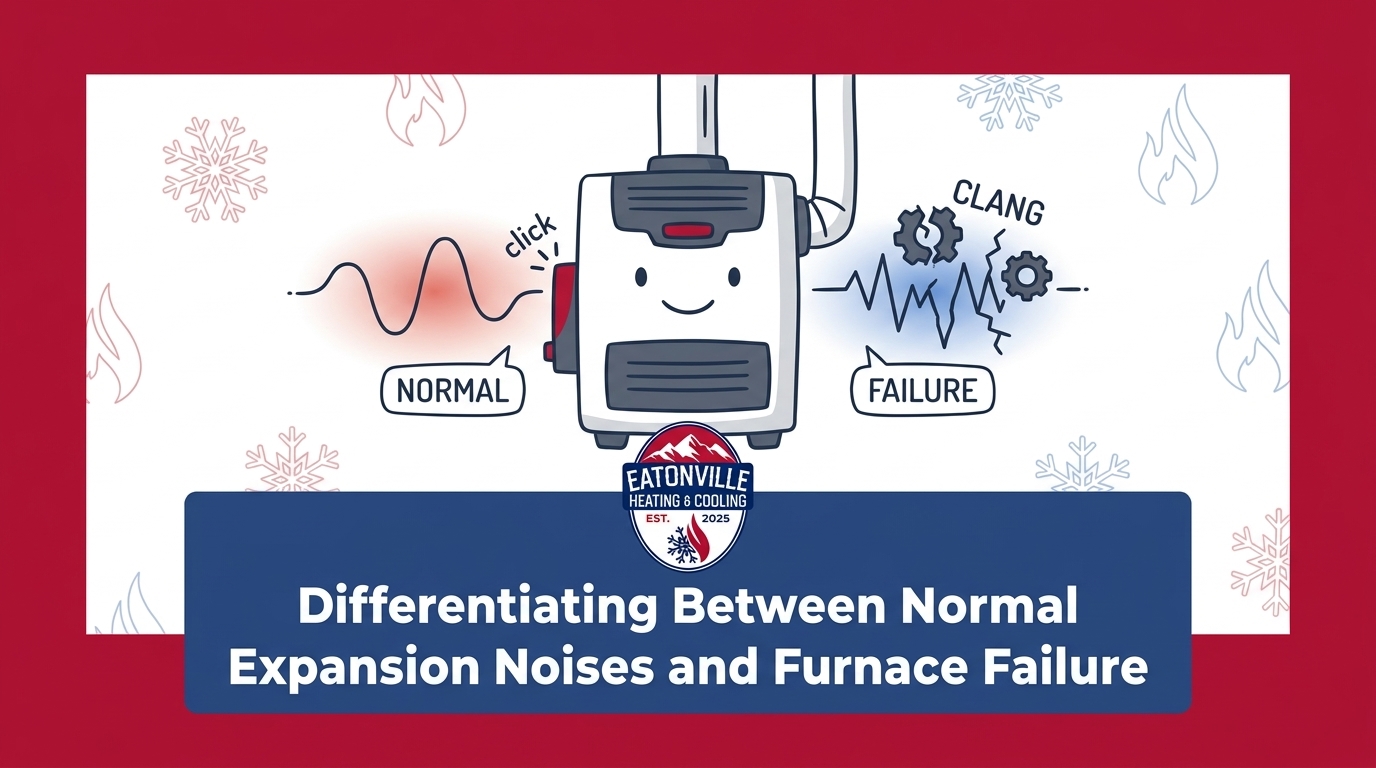
Differentiating Between Normal Expansion Noises and Furnace Failure
Hearing a loud bang on the first chilly fall morning can be terrifying. Decide with confidence whether to let the system run or shut it down for emergency service.
How Federal Way's Fall Humidity Affects Indoor Air Quality
The transition to damp autumn weather creates a tricky shoulder season for your HVAC system. Without the AC running, ambient moisture gets trapped inside. See how to manage ventilation.
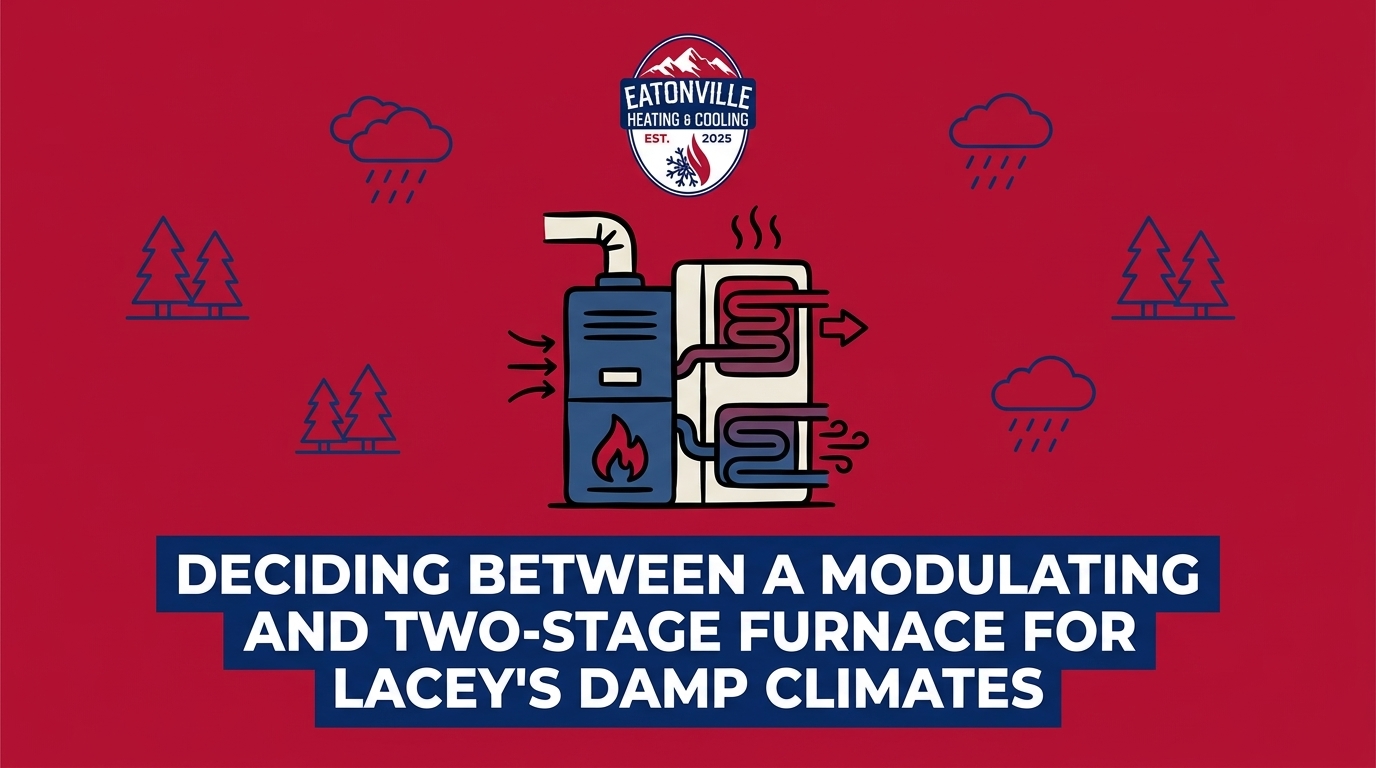
Deciding Between a Modulating and Two-Stage Furnace for Lacey Climates
Upgrading your heating system before the damp winter hits? Find out whether the precise comfort of a modulating unit or the reliability of a two-stage system fits your home.

What a Comprehensive Fall Furnace Inspection Actually Entails
A professional heating tune-up requires much more than a basic filter change. We pull back the curtain on the exact electrical and combustion tests that prevent winter breakdowns.
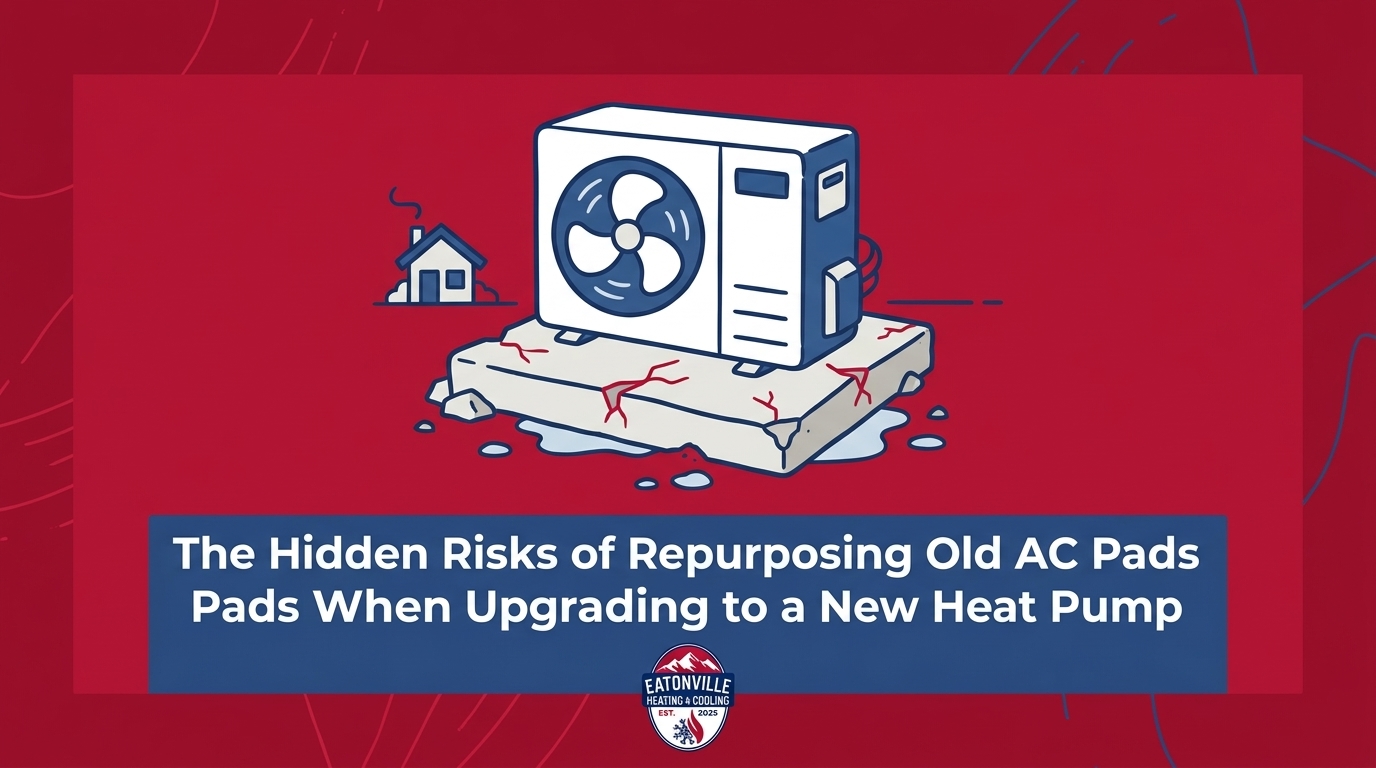
Repurposing Old AC Pads When Upgrading to a New Heat Pump
Preparing for a fall system upgrade? Reusing a sunken 1990s concrete base can cause poor drainage and oil starvation for modern equipment—see why leveling matters.