

The Most Common Reasons Your AC Isn’t Keeping Your Home Cool
When your air conditioner is running but your home still doesn’t feel comfortable, it’s a clear sign something isn’t working as it should. A properly functioning system should maintain consistent temperatures without run
When your air conditioner is running but your home still doesn’t feel comfortable, it’s a clear sign something isn’t working as it should. A properly functioning system should maintain consistent temperatures without running constantly. At Eatonville Heating & Cooling, we help homeowners identify the root causes of cooling issues and restore reliable performance.
Cooling problems can come from a range of sources, from simple maintenance issues to more complex system failures. Understanding the most common reasons your AC isn’t keeping up can help you know when to troubleshoot and when to call for professional service.
Dirty or Restricted Airflow
Airflow is essential for effective cooling. When airflow is restricted, your system cannot circulate conditioned air properly, which leads to uneven temperatures and longer run times.
One of the most common causes of poor airflow is a dirty air filter. Over time, filters collect dust, debris, and allergens. When they become clogged, they limit the amount of air that can pass through your system.
Other airflow-related issues include blocked vents or closed registers. Furniture, rugs, or other obstructions can prevent air from moving freely throughout your home, making certain rooms feel warmer than others.
Ductwork problems can also play a role. Leaks or poor insulation in your duct system allow cooled air to escape before it reaches your living spaces, reducing overall efficiency.
Low Refrigerant Levels
Refrigerant is the substance your air conditioner uses to remove heat from your home. If refrigerant levels are low, your system cannot absorb and transfer heat effectively, which leads to reduced cooling performance.
Low refrigerant is typically caused by leaks rather than normal usage. When a leak is present, simply adding more refrigerant is not a long-term solution. The leak must be located and repaired to restore proper function.
Signs of refrigerant issues include:
• Warm air coming from vents
• Ice forming on the refrigerant lines or evaporator coil
• Longer cooling cycles with little improvement in temperature
• Hissing or bubbling sounds near the system
These symptoms should be addressed by a professional to prevent further damage to your AC system.
Thermostat Problems
Your thermostat controls when and how your air conditioner operates. If it isn’t working correctly, your system may not cool your home as expected.
Incorrect settings are one of the simplest issues to fix. If the thermostat is set too high or placed in a location that doesn’t accurately reflect the temperature of your home, it can cause uneven cooling.
Faulty thermostats can also send incorrect signals to your system, causing it to turn on and off at the wrong times. In some cases, upgrading to a programmable or smart thermostat can improve both comfort and efficiency.
Dirty or Damaged Coils
Your AC system relies on two main coils to function: the evaporator coil and the condenser coil. When these coils become dirty or damaged, they cannot transfer heat effectively.
The evaporator coil absorbs heat from inside your home, while the condenser coil releases that heat outdoors. Dirt and debris can build up on these components over time, reducing their ability to perform.
If coils are not cleaned regularly, your system may struggle to cool your home and may even overheat. Routine maintenance helps prevent this buildup and keeps your system operating efficiently.
Electrical or Component Failures
Air conditioning systems rely on a range of electrical components to function properly. When one of these components fails, it can affect the entire system’s performance.
Common issues include:
• Worn-out capacitors
• Failing motors
• Loose or damaged wiring
• Malfunctioning relays or contactors
These problems can cause your system to run inefficiently or stop working altogether. Because electrical issues can be complex and potentially hazardous, they should always be handled by a qualified technician.
When to Call for Professional Service
While some minor issues can be addressed with basic maintenance, many cooling problems require professional diagnosis and repair. If your system continues to struggle despite replacing filters and checking thermostat settings, it’s time to bring in an expert.
Warning signs that indicate you need professional service include:
• Persistent warm air from vents
• Unusual noises or odors
• Frequent cycling or constant operation
• Sudden increases in energy bills
At Eatonville Heating & Cooling, we provide thorough inspections to identify the exact cause of cooling issues. Our goal is to restore your system’s performance quickly and efficiently, minimizing disruption to your home.
Preventing Future Cooling Problems
Regular maintenance is key to preventing many of the issues that affect AC performance. Scheduling annual tune-ups ensures your system is clean, properly calibrated, and operating as intended.
In addition to professional service, homeowners can take simple steps to maintain their system, such as replacing filters regularly and keeping outdoor units clear of debris.
By addressing problems early and staying proactive with maintenance, you can keep your air conditioner running efficiently and ensure your home stays consistently cool when you need it most.
Recent Posts

Adapting Yelm Wood-Framed Homes for Modern Central Air
Adding central air to an older wood-framed home takes careful planning. See how attic framing, ductwork and wiring shape a safe, effective upgrade.
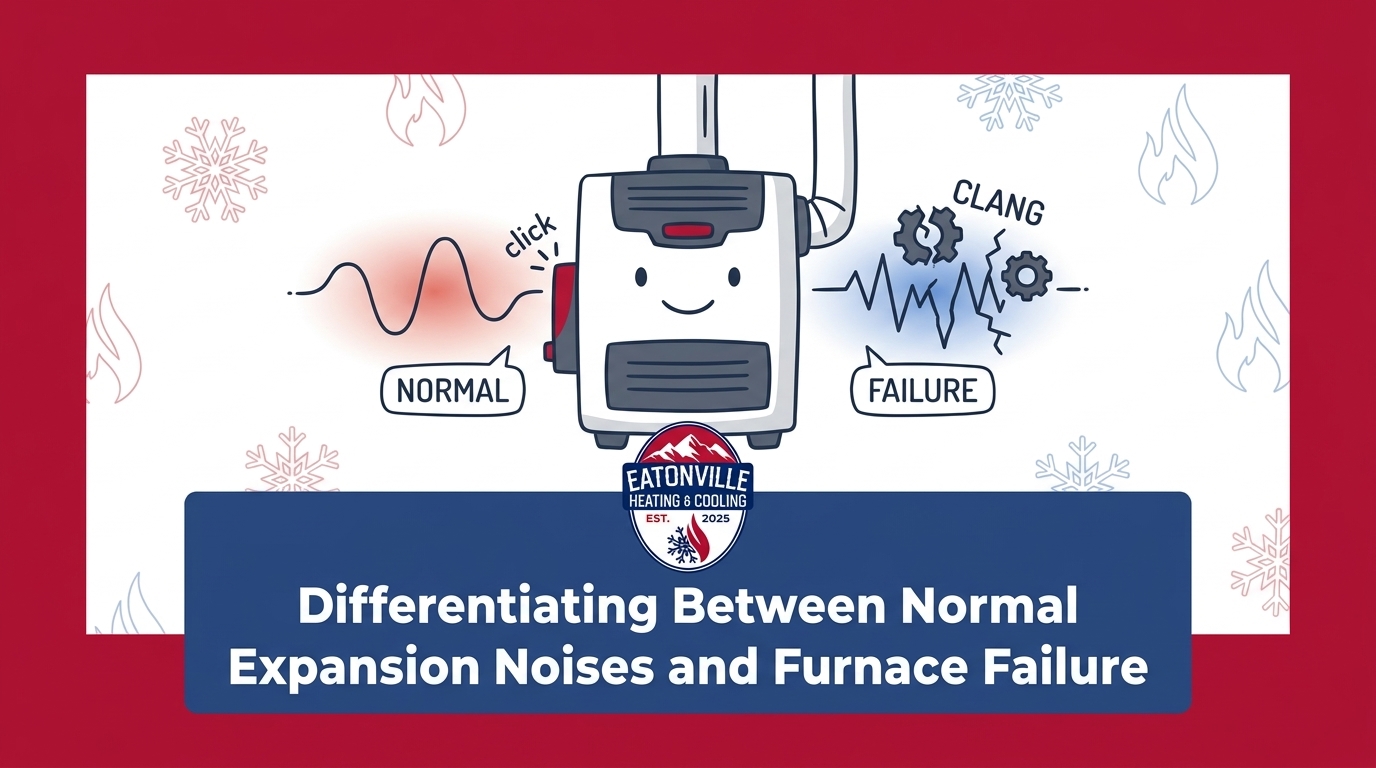
Differentiating Between Normal Expansion Noises and Furnace Failure
Hearing a loud bang on the first chilly fall morning can be terrifying. Decide with confidence whether to let the system run or shut it down for emergency service.
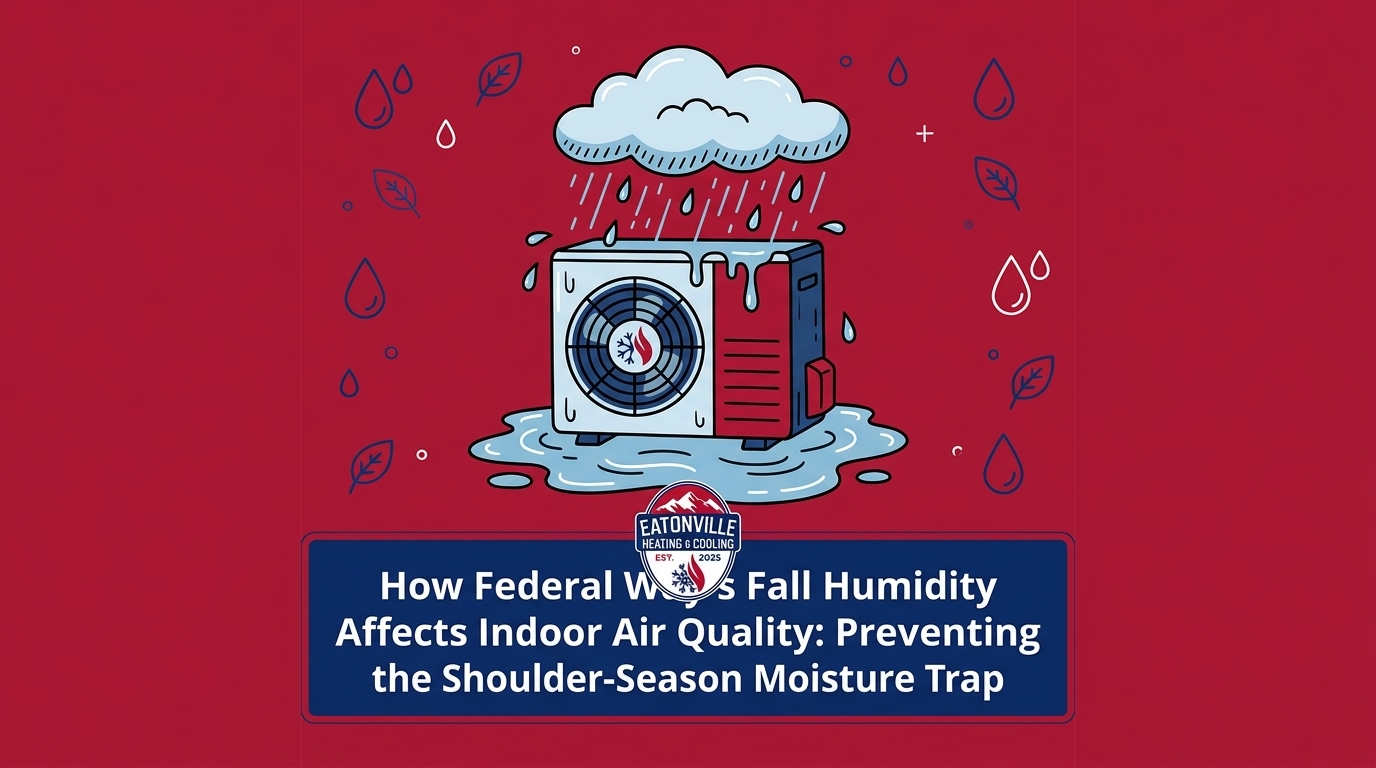
How Federal Way's Fall Humidity Affects Indoor Air Quality
The transition to damp autumn weather creates a tricky shoulder season for your HVAC system. Without the AC running, ambient moisture gets trapped inside. See how to manage ventilation.
Deciding Between a Modulating and Two-Stage Furnace for Lacey Climates
Upgrading your heating system before the damp winter hits? Find out whether the precise comfort of a modulating unit or the reliability of a two-stage system fits your home.
What a Comprehensive Fall Furnace Inspection Actually Entails
A professional heating tune-up requires much more than a basic filter change. We pull back the curtain on the exact electrical and combustion tests that prevent winter breakdowns.
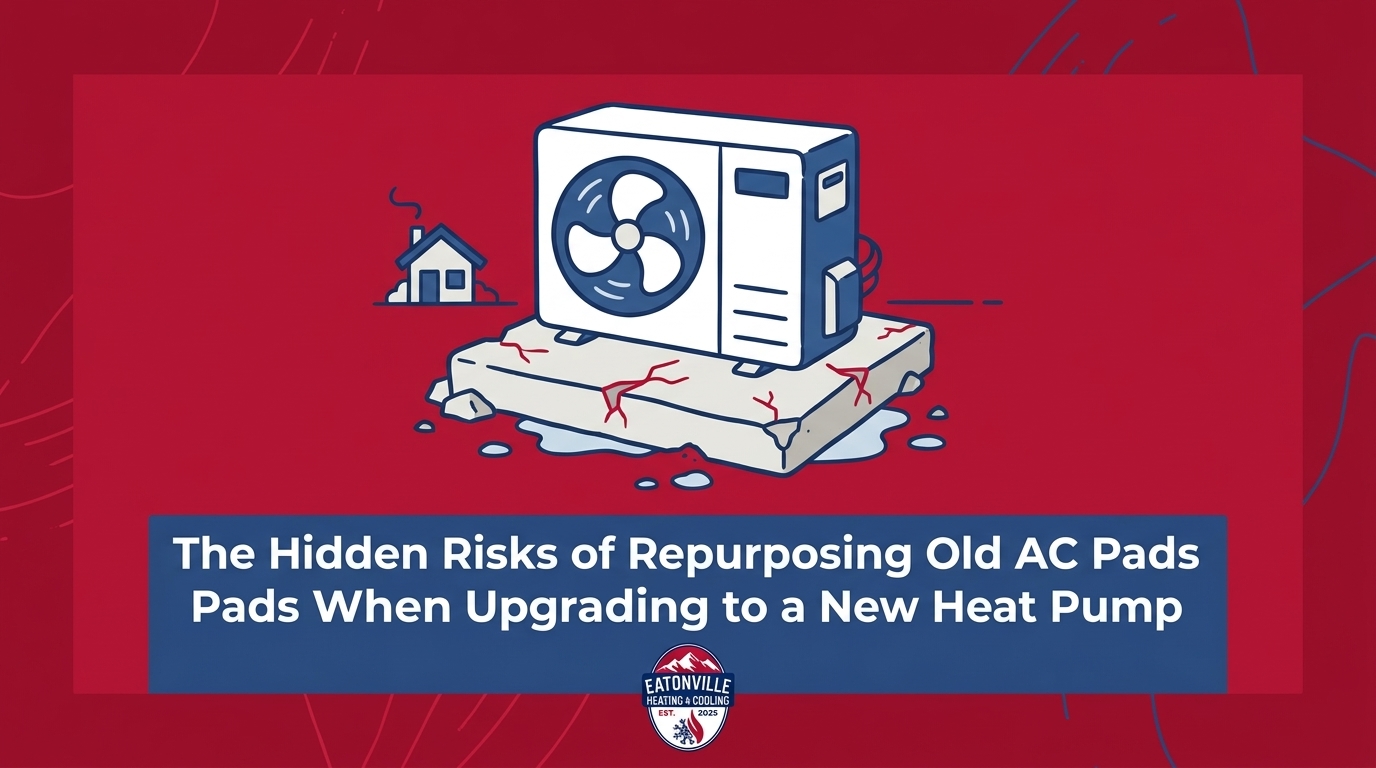
Repurposing Old AC Pads When Upgrading to a New Heat Pump
Preparing for a fall system upgrade? Reusing a sunken 1990s concrete base can cause poor drainage and oil starvation for modern equipment—see why leveling matters.