


Understanding After-Hours Dispatch Fees for HVAC Emergencies
An overnight AC failure is stressful, but not every breakdown requires a midnight truck roll. Evaluate your system's safety risks to confidently decide if a repair can wait until morning.
Facing an Overnight AC Failure During Late-Summer Heat
Your thermostat is set to 70 degrees, but the indoor temperature just hit 82—and it is two o'clock in the morning. Understanding after-hours dispatch fees for HVAC emergencies becomes critical when you are staring at a warm vent, debating whether to pick up the phone immediately or try to sleep through the heat until sunrise. An unexpected breakdown is always stressful, especially during the peak of an August late-summer cooling demand when your home absorbs heat rapidly. The initial panic often pushes homeowners to request an immediate emergency dispatch without fully weighing the logistical realities.
Before you make a late-night call, it helps to step back and evaluate whether your situation is a true safety hazard or simply a frustrating inconvenience. Making this distinction requires a clear understanding of how emergency service operations actually work behind the scenes. When a system fails overnight, the right next step is to assess the immediate risks to your property and your family. By understanding the difference between standard daytime operations and a midnight truck roll, you can make a confident, rational choice about your next steps. For comprehensive support and to learn more about standard operational procedures, explore our Air Conditioning Services.
The Operational Realities Behind After-Hours HVAC Service
When you request a technician in the middle of the night, you are activating a complex, on-demand response system. Emergency HVAC service requires a dedicated infrastructure that operates entirely outside of standard business parameters. The premium rates associated with these visits are not arbitrary markups; they directly reflect the elevated operational costs required to mobilize skilled professionals at a moment's notice. Whether you need an emergency assessment or standard AC Repair in Eatonville, understanding these logistics clarifies why off-hours dispatch carries a different rate structure.
Labor and On-Call Compensation
Maintaining a 24-hour emergency response team means technicians must sacrifice their personal time, sleep, and weekends to remain on standby. Labor compensation standards for skilled trades mandate premium pay for unscheduled night, weekend, or holiday work. When a technician is dispatched at 3 AM, their compensation reflects the overtime required to leave their home and respond immediately. This specialized labor rate is the primary driver behind after-hours service premiums, ensuring that highly trained professionals are available when true emergencies strike.
Dispatch and Routing Logistics
During normal business hours, HVAC companies optimize their daily schedules. A technician might service four or five homes in a tight geographic cluster, minimizing drive time and maximizing efficiency. After-hours dispatches completely bypass this efficiency. Routing a single technician across a large service area at night requires immediate, dedicated travel time for a single destination. The dispatcher must locate the on-call technician, route them directly to your home in Eatonville WA, and coordinate the response. This point-to-point priority shift fundamentally alters the baseline operational cost of the visit.
Supply Chain Limitations During Late-Night Dispatches
One of the most misunderstood aspects of emergency HVAC service is the availability of replacement parts. Homeowners often assume that paying an after-hours premium guarantees their air conditioner will be blowing cold air again before the sun comes up. While technicians arrive in fully stocked vehicles, the reality of the global supply chain often dictates the timeline of a final repair.
Here is what typically happens during a late-night service call:
1. Immediate Diagnostic Assessment: The technician arrives, inspects the equipment, and identifies the exact component failure causing the breakdown.
2. Universal Parts Replacement: If the issue involves a common component—such as a standard capacitor, a universal contactor, or a blown fuse—the technician can usually complete the repair immediately using stock from their truck.
3. Proprietary Parts Limitations: If your system requires a highly specialized OEM (Original Equipment Manufacturer) component, such as a proprietary control board or a specific compressor model, the repair hits a roadblock. Wholesale HVAC supply distributors operate strictly on standard daytime hours.
4. Morning Procurement: The technician must wait for the local supply house to open at 7 or 8 AM to acquire the specialized part, meaning the final repair cannot be completed overnight.
Understanding this limitation is crucial. There is a real risk of paying an emergency dispatch premium only to discover that the necessary part requires waiting until morning anyway. If you suspect a major component failure during an August late-summer cooling period, it is often wise to weigh the value of an immediate diagnostic visit against a comprehensive next-day repair. For standard scheduling, services like Puyallup AC Repair can address these complex part replacements during regular hours.
Defining a True Emergency: Safety Versus Discomfort
A broken air conditioner is always uncomfortable, but it is not always dangerous. Providing a rational framework for evaluating indoor temperature safety helps you differentiate between a miserable night of sleep and a situation requiring immediate intervention. This distinction is especially important in the Pacific Northwest climate. Homes in Eatonville WA and the surrounding areas are traditionally built with deep thermal insulation to retain heat during long winters. When a late-summer heat dome settles over the region, these homes trap heat efficiently, causing indoor temperatures to spike rapidly if the AC fails.
To help you evaluate your situation objectively, use this safety versus discomfort framework:
• Indoor Temperature — Inconvenience (Can Wait): Hovering between 75°F and 82°F — True Emergency (Call Now): Rapidly climbing past 85°F and continuing to rise
• Household Occupants — Inconvenience (Can Wait): Healthy adults and older children — True Emergency (Call Now): Elderly individuals, infants, or those with medical conditions
• Electrical Symptoms — Inconvenience (Can Wait): System simply will not turn on — True Emergency (Call Now): Burning smells, sparking, or smoke from the unit
• Water Issues — Inconvenience (Can Wait): Minor condensation near the drain line — True Emergency (Call Now): Significant water pooling that threatens drywall or flooring
Real-world experiences highlight how this framework operates in practice. One local homeowner reached out when their AC unit went out unexpectedly during a severe heatwave, posing a risk to the household. A technician arrived right away and quickly diagnosed the issue, restoring safety and comfort before the indoor temperature reached dangerous levels. Conversely, if a breakdown occurs on a mild evening, opening windows and utilizing ceiling fans might perfectly bridge the gap until morning. Just as you would evaluate a winter furnace failure—which you can learn more about through our Heating Repair in Eatonville page—assessing the objective safety of the environment is your most important step.
Checklist: When to Request Immediate After-Hours Service
Our operational philosophy is rooted in extreme transparency. We want to help you avoid unnecessary premium fees whenever possible. If your situation is safe and the repair can wait for regular business hours, we will explicitly guide you to hold off and save your money. However, when safety is on the line, immediate action is required.
During a hot holiday weekend, another local customer experienced a sudden AC failure that threatened their home's comfort. They called the emergency line, and a technician was quickly dispatched on Saturday to fix it, proving that when an urgent response is needed, the infrastructure is ready. Use this checklist to talk yourself through the decision process during an August late-summer cooling failure:
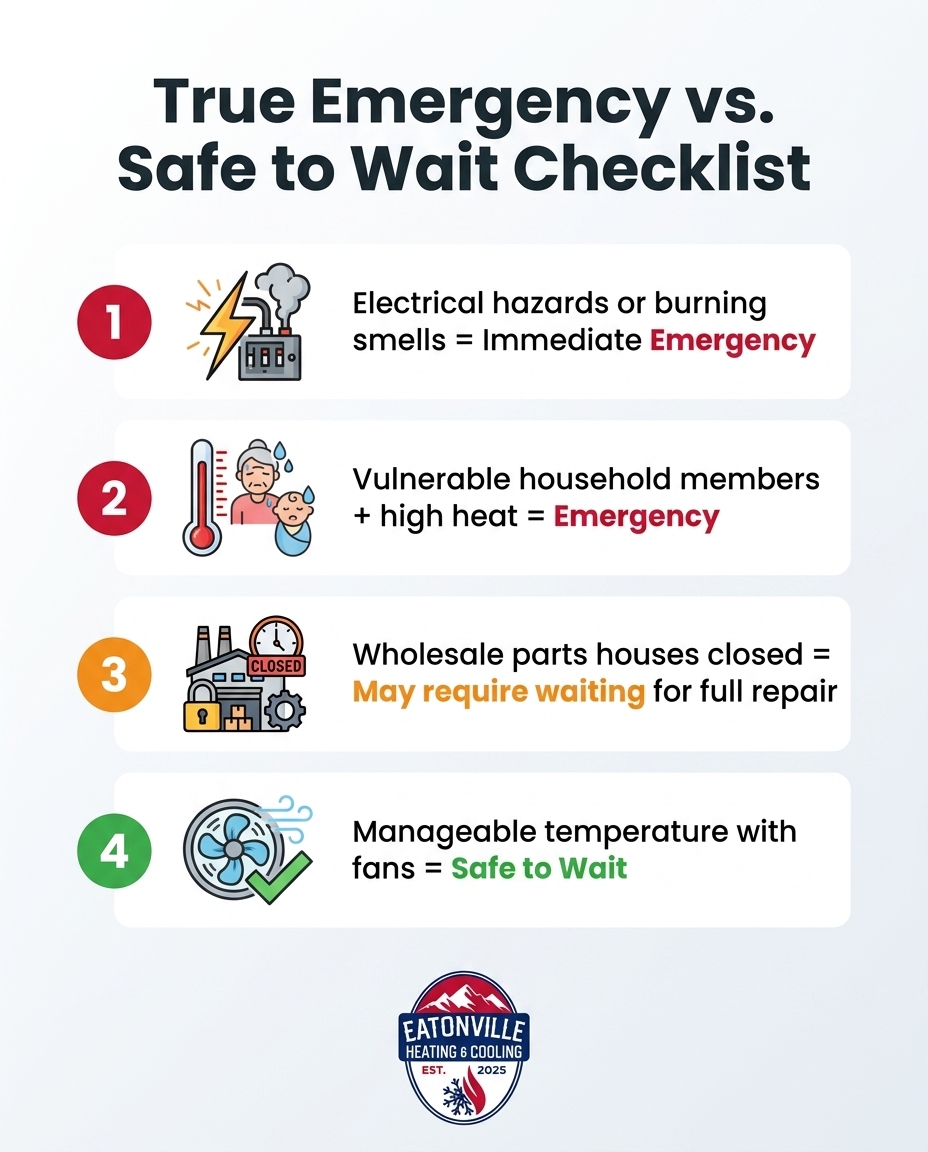
• Check for electrical hazards: Is there a burning electrical smell, visible sparking, or smoke coming from the indoor or outdoor unit? If yes, shut off the breaker immediately and call for emergency service.
• Assess occupant vulnerability: Are there elderly family members, newborns, or individuals with respiratory/cardiovascular conditions in the home? High heat is a severe health risk for vulnerable populations.
• Monitor the actual temperature: Look at the thermostat reading, not just how the air feels. Is the indoor temperature approaching unsafe levels (typically 85°F or higher) with no sign of cooling down?
• Inspect for property damage: Is the system leaking a significant amount of water through the ceiling or onto hardwood floors? Major leaks require immediate mitigation to prevent severe structural damage.
• Evaluate alternative cooling: Can the home's temperature be reasonably managed with portable fans, open windows, and cool damp cloths until standard business hours resume?
If your answers point to safety risks or property damage, an emergency call is absolutely justified. If the answers point only to discomfort, waiting is the financially prudent choice. For a deeper dive into this decision-making process, read our guide on When to Call for Emergency AC Repair vs Waiting Until Morning.
Frequently Asked Questions About Emergency HVAC Dispatch
What is considered an HVAC emergency?
An HVAC emergency is any situation involving electrical hazards, severe water leaks, or extreme indoor temperatures that threaten vulnerable occupants. If your system is smoking, sparking, or tripping the breaker repeatedly, it poses an immediate fire hazard and requires an urgent response. Similarly, if an AC failure during a heatwave pushes the indoor temperature past safe limits for elderly residents or infants, it elevates from an inconvenience to a health emergency.
Why do HVAC companies charge after-hours fees?
HVAC companies charge after-hours fees to cover the required overtime labor rates for technicians and the logistical costs of maintaining 24/7 on-call dispatch infrastructure. Operating outside of standard business hours means compensating skilled professionals for sacrificing their personal time to remain on standby. Additionally, routing a single technician across a service area at night is inherently less efficient than a planned daily route, resulting in higher operational costs that are reflected in the emergency premium.
Is a broken AC an emergency?
Not inherently; it depends entirely on the current indoor temperature, the outdoor forecast, and the health status of the occupants. A broken air conditioner on a mild 70-degree evening in Eatonville WA is an inconvenience that can easily wait until morning. However, that same broken AC during a 100-degree heat dome becomes an emergency if the home's interior temperature begins climbing rapidly and cannot be mitigated with fans.
Can I wait until morning for AC repair?
Yes, you can safely wait until morning if the home can be kept at a safe temperature using alternative methods and there are no electrical or water hazards present. By utilizing ceiling fans, keeping blinds closed, and opening windows if the night air is cool, most healthy adults can comfortably weather a single night without air conditioning. Waiting for standard business hours is a highly effective way to avoid premium dispatch rates.
Will emergency service guarantee a complete repair that night?
No, an emergency service visit guarantees a professional diagnostic assessment and safety mitigation, but specialized parts may still require waiting for wholesale supply houses to open. While technicians carry a wide array of universal components to fix common issues immediately, proprietary circuit boards or specific compressors cannot be acquired at 2 AM. The technician will secure the system, restore safety, and return with the exact part as soon as the local distributors open their doors.
Making the Right Call for Your Home
Understanding after-hours dispatch fees empowers you to make rational, cost-effective decisions when your system fails at the worst possible time. By recognizing the logistical realities of overtime labor and nighttime supply chain limitations, you can accurately weigh the value of an immediate 2 AM truck roll against a standard morning appointment. Having a clear checklist of what constitutes a true emergency brings peace of mind, ensuring you only pay premium rates when safety or property damage is genuinely on the line.
If you are facing an August late-summer cooling failure and are unsure about the safety of your system, do not guess. Reach out to a local expert to discuss your symptoms. Whether you need immediate intervention or want to schedule a comprehensive daytime assessment, professional guidance ensures your home remains safe and comfortable year-round.
Recent Posts

Adapting Yelm Wood-Framed Homes for Modern Central Air
Adding central air to an older wood-framed home takes careful planning. See how attic framing, ductwork and wiring shape a safe, effective upgrade.
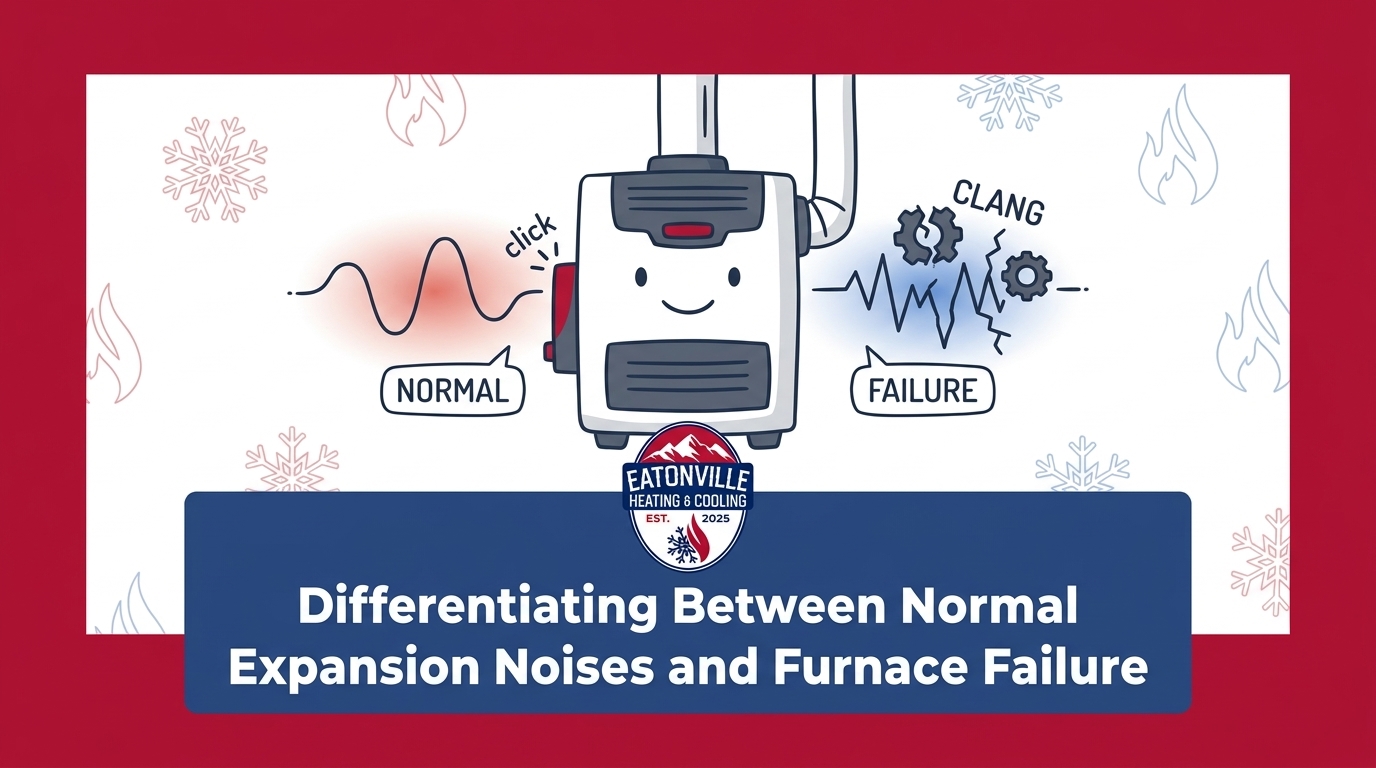
Differentiating Between Normal Expansion Noises and Furnace Failure
Hearing a loud bang on the first chilly fall morning can be terrifying. Decide with confidence whether to let the system run or shut it down for emergency service.
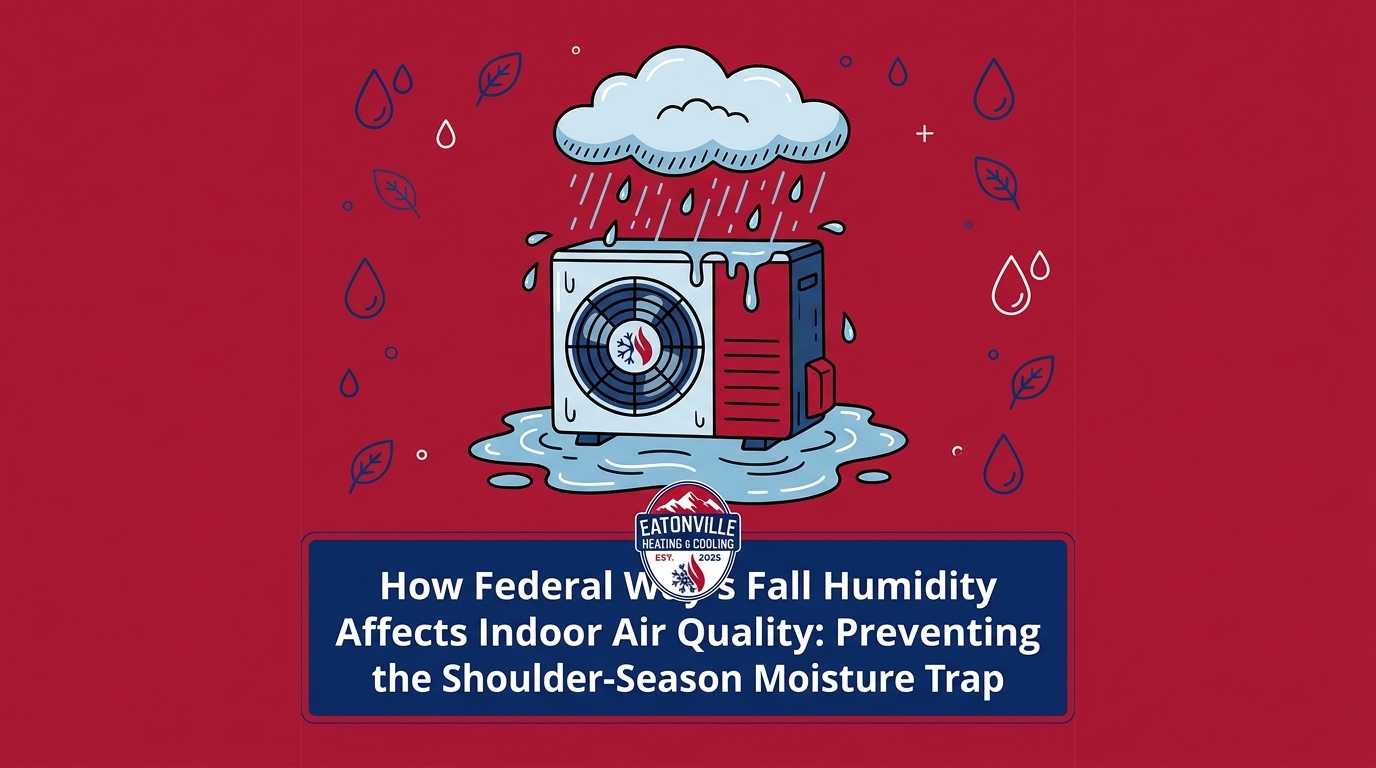
How Federal Way's Fall Humidity Affects Indoor Air Quality
The transition to damp autumn weather creates a tricky shoulder season for your HVAC system. Without the AC running, ambient moisture gets trapped inside. See how to manage ventilation.
Deciding Between a Modulating and Two-Stage Furnace for Lacey Climates
Upgrading your heating system before the damp winter hits? Find out whether the precise comfort of a modulating unit or the reliability of a two-stage system fits your home.
What a Comprehensive Fall Furnace Inspection Actually Entails
A professional heating tune-up requires much more than a basic filter change. We pull back the curtain on the exact electrical and combustion tests that prevent winter breakdowns.
Repurposing Old AC Pads When Upgrading to a New Heat Pump
Preparing for a fall system upgrade? Reusing a sunken 1990s concrete base can cause poor drainage and oil starvation for modern equipment—see why leveling matters.