


Integrating Modern Smart Thermostats with Older Tumwater HVAC Systems
If your older furnace is missing a C-wire, forcing a Wi-Fi thermostat connection can trigger sudden cooling failures. Here is how to safely power your new device without risking equipment damage.
The Smart Upgrade Roadblock: Missing C-Wires in Older Homes
Integrating modern smart thermostats with older Tumwater HVAC systems often comes to a screeching halt the moment you remove the old faceplate and realize a wire is missing. You purchased a brand-new Wi-Fi thermostat to gain better control over your home's temperature, only to find incompatible wiring hidden behind the wall. This is a highly frequent roadblock our team at Eatonville Heating & Cooling encounters, especially during the back-to-school transition when homeowners seek better, more efficient climate control to handle shifting weather.
Many older homes in the region face these exact electrical compatibility issues with modern smart devices. Older heating systems were simply not built to support the power demands of today's technology. Forcing an incompatible connection by guessing which wire goes where can lead to immediate system failures right in the middle of the late-summer cooling season. Understanding what that missing wire does is the first step toward a safe, effective upgrade.
Why Wi-Fi Thermostats Demand Continuous Power
To understand the wiring problem, you have to look at how thermostat technology has evolved. Older thermostats acted as simple on/off switches. Whether they used a small glass vial of mercury or a pair of AA batteries, they only needed enough energy to close a circuit and tell the furnace to turn on. Modern smart devices, however, function as miniature computers mounted to your wall.
The problem: Features like active Wi-Fi connectivity, bright full-color touchscreens, background updates, and continuous sensor monitoring drain power constantly. Batteries alone cannot sustain these advanced features long-term without dying every few weeks.
The cause: This is where the C-wire, or "common wire," comes into play. The C-wire provides a dedicated path that completes the electrical circuit, delivering a steady flow of electricity from the HVAC control board directly to the thermostat.
The solution: Meeting the 24-volt continuous power requirement is non-negotiable for a smart thermostat to function reliably. If your current setup lacks this dedicated power line, you will need professional furnace repair and thermostat integration in Tumwater to bridge the gap safely.
• Primary Function — Older Battery/Mercury Models: Basic on/off mechanical switching — Modern Wi-Fi Thermostats: Mini-computer with active monitoring
• Power Source — Older Battery/Mercury Models: AA batteries or mechanical relays — Modern Wi-Fi Thermostats: Dedicated 24-volt electrical draw
• Connectivity — Older Battery/Mercury Models: None — Modern Wi-Fi Thermostats: Continuous Wi-Fi and app syncing
• Wiring Needs — Older Battery/Mercury Models: 2 to 4 wires (No C-wire needed) — Modern Wi-Fi Thermostats: 5+ wires (C-wire strictly required)
The Pacific Northwest Context: Heating-Only Wiring
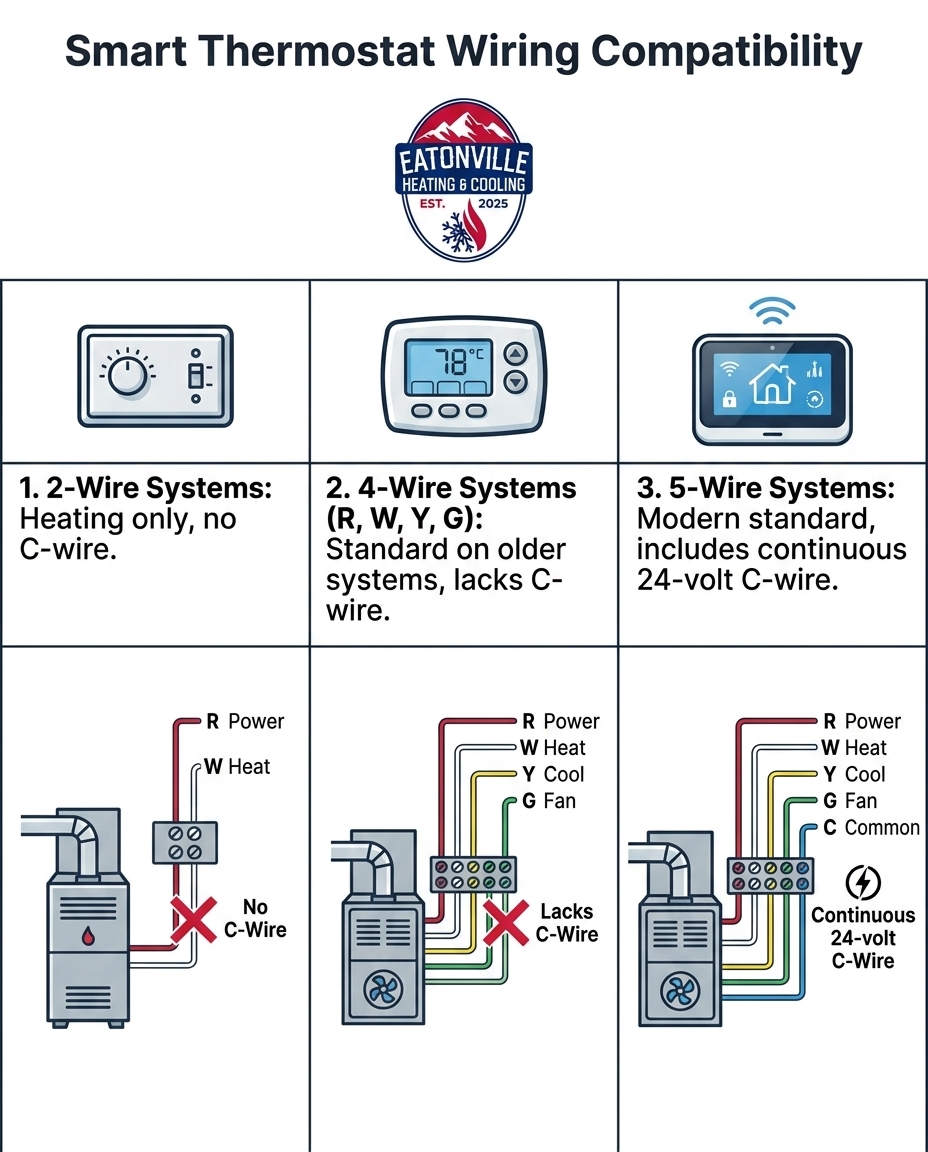
The missing C-wire issue is incredibly common due to the specific historical building practices in our region. In our years of servicing homes built decades ago in the Tumwater area, we've seen firsthand that they were designed strictly to handle chilly Pacific Northwest winters. Because summer cooling was rarely a priority, original construction typically featured basic gas furnaces with heating-only setups.
These early heating-only systems often required just two wires: an "R" wire for power and a "W" wire for heat. Even as construction practices evolved slightly later, standard 20-year-old furnace control boards (typically 4-wire setups) maxed out at configurations that included heating, cooling, and a fan, but deliberately omitted the common wire to save on material costs.
Today, retrofitting these older homes for year-round smart climate control requires navigating this legacy wiring. A four-wire bundle simply does not have the physical capacity to deliver the continuous power modern devices need while still operating the heating and cooling equipment.
The Risks of DIY Electrical Workarounds
The problem: When faced with a missing wire, there is a strong temptation to look up internet tutorials for "bypassing" the C-wire. These videos often suggest repurposing the fan wire or jumping terminals on the control board.
The cause: Aging HVAC control boards are highly sensitive to electrical changes. Crossing wires, creating an improper ground, or accidentally touching two terminals together can instantly blow the 3-amp or 5-amp low-voltage fuse on the internal board.
The solution: We strongly advise against unlicensed electrical modifications. Blowing a fuse completely disables the entire HVAC system, leading to unexpected outages and a sudden need for AC repair services right during the peak of the late-summer cooling season. Professional oversight ensures that your integration is handled safely, protecting the lifespan of aging internal components and keeping your home comfortable.
Safe Integration Methods: Adapters vs. New Thermostat Wire
Bridging the gap between an old furnace and a new smart thermostat requires legitimate, professionally executed solutions. Depending on the layout of your home and the condition of your equipment, our technicians at Eatonville Heating & Cooling generally use one of two primary methods to establish the 24-volt continuous power requirement.
Evaluating C-Wire Adapters
Plug-in C-wire adapters, often called add-a-wire kits, are a highly viable solution when pulling new wire through finished walls is impossible. These adapters are installed directly at the furnace control board. They multiplex the electrical signal, allowing the existing four wires to carry both the communication signals and the continuous power required by the thermostat. Adapters are often the most practical choice for two-story homes where the thermostat is located far from the utility room.
Upgrading the Physical Wiring
When accessible, pulling new 18/5 thermostat wire (18-gauge, 5-conductor wire) through the walls is the industry gold standard for smart thermostat reliability. This clean, permanent solution provides a dedicated physical wire for every function, eliminating the need for signal multiplexing.
While some fast-charge or "power-stealing" thermostats claim to work without a C-wire, we typically see them struggle with older control boards, pulling power in bursts that can confuse the furnace. Upgrading the physical wiring ensures flawless communication. Sometimes, achieving reliable climate control means bypassing old wiring entirely. For example, one local customer recently asked our installation crew to put a mini-split in a bar. Because the space required reliable, independent temperature control, installing a dedicated mini-split system provided a massive upgrade that looks and works great, completely sidestepping the limitations of the building's legacy ductwork and wiring.
Protecting Your Equipment During the Back-to-School Transition
The reliability of your thermostat integration directly impacts the overall health of your HVAC system, especially during high-stress seasonal shifts like the back-to-school transition. When a smart thermostat does not receive sufficient power, its behavior becomes erratic. The screen may flicker, the Wi-Fi may disconnect, and most dangerously, it can send rapid, confusing signals to the furnace.
This erratic signaling causes a condition known as short-cycling, where the HVAC unit turns on and off repeatedly in short bursts. Short-cycling puts immense, unnecessary wear and tear on expensive components like blower motors and compressors. During the late-summer cooling season, this added stress can easily push an older system to the point of failure.
To protect your equipment, we highly recommend pairing a thermostat upgrade with a comprehensive system inspection and routine heating maintenance. A properly powered smart thermostat actually extends equipment life by optimizing run times, but it must be integrated correctly to deliver those benefits.
Recognizing When to Call a Professional
Troubleshooting electrical issues on an older HVAC system can quickly escalate from a simple weekend project to a complex mechanical failure. It is important to recognize the indicators that you should stop troubleshooting and seek expert assistance.
Watch for these clear warning signs:
1. Blank thermostat screens: If the device refuses to power on after installation, it is not receiving the correct voltage.
2. Frequent Wi-Fi drops: A thermostat that constantly disconnects from your network is likely power-cycling due to insufficient energy.
3. Clicking without activation: If you hear the HVAC system clicking but the fan or compressor fails to start, the control board may be receiving mixed signals.
4. Unexpected heating in cooling mode: Incorrect wiring can reverse system operations, similar to a heat pump blowing warm air in cooling mode.
Accessing the internal components of 20-year-old furnace control boards (typically 4-wire setups) involves working in close proximity to high-voltage lines. This work requires a licensed technician. Professionals carry specialized multimeters to test for voltage drops and verify continuous power delivery. Framing professional integration as an investment in safety ensures your new device works perfectly without putting your home at risk.
Expert Help for Your Smart Thermostat Upgrade
Upgrading your home comfort shouldn't come at the risk of damaging your existing heating and cooling equipment. While encountering a missing wire can be frustrating, it is a common, highly solvable challenge for experienced technicians.
Our team at Eatonville Heating & Cooling brings deep local expertise in safely retrofitting older South Puget Sound housing stock. We understand the quirks of 20-year-old furnace control boards (typically 4-wire setups) and know exactly how to integrate modern technology without voiding warranties or causing electrical shorts. By exploring professional integration options, you can ensure your new smart thermostat operates flawlessly, giving you precise control over your home's climate all year long.
Frequently Asked Questions
What does a C-wire do on a smart thermostat?
The C-wire, or common wire, provides a continuous flow of 24-volt electricity to the thermostat. This constant power is necessary to keep Wi-Fi chips active, power bright touchscreens, and run background sensors without draining batteries. Without it, modern smart thermostats cannot function reliably.
Can I install a Wi-Fi thermostat on a 20-year-old furnace?
Yes, you can install a Wi-Fi thermostat on an older furnace, but it usually requires a wiring upgrade. Most older furnaces were built with 4-wire setups that lack the necessary common wire. A professional can bridge this gap using specialized adapters or by running new wire.
What happens if I don't have a C-wire?
If you attempt to run a smart thermostat without a C-wire, the device will likely fail to turn on, drop its Wi-Fi connection frequently, or drain its backup batteries in a matter of weeks. In some cases, it can cause the HVAC system to short-cycle, leading to severe equipment damage.
How do professionals add a C wire to an old HVAC system?
Professionals typically use one of two methods: installing a C-wire adapter at the furnace control board or pulling a brand new 5-conductor thermostat wire through the walls. The best method depends on your home's layout and the accessibility of your existing ductwork and wiring paths.
Can you use a 4-wire setup for a Wi-Fi thermostat without an adapter?
Generally, no. A standard 4-wire setup dedicates all its wires to power, heating, cooling, and the fan, leaving no dedicated path for continuous return power. While a few specific thermostat models claim to steal power without a C-wire, they often cause erratic behavior on older furnace control boards.
Will a smart thermostat drain its batteries if the C-wire is missing?
Yes. If a smart thermostat relies entirely on backup batteries because the C-wire is missing, the heavy energy demands of Wi-Fi and the digital display will drain those batteries very rapidly. The C-wire is required to provide the primary, continuous electrical current.
Recent Posts

Adapting Yelm Wood-Framed Homes for Modern Central Air
Adding central air to an older wood-framed home takes careful planning. See how attic framing, ductwork and wiring shape a safe, effective upgrade.
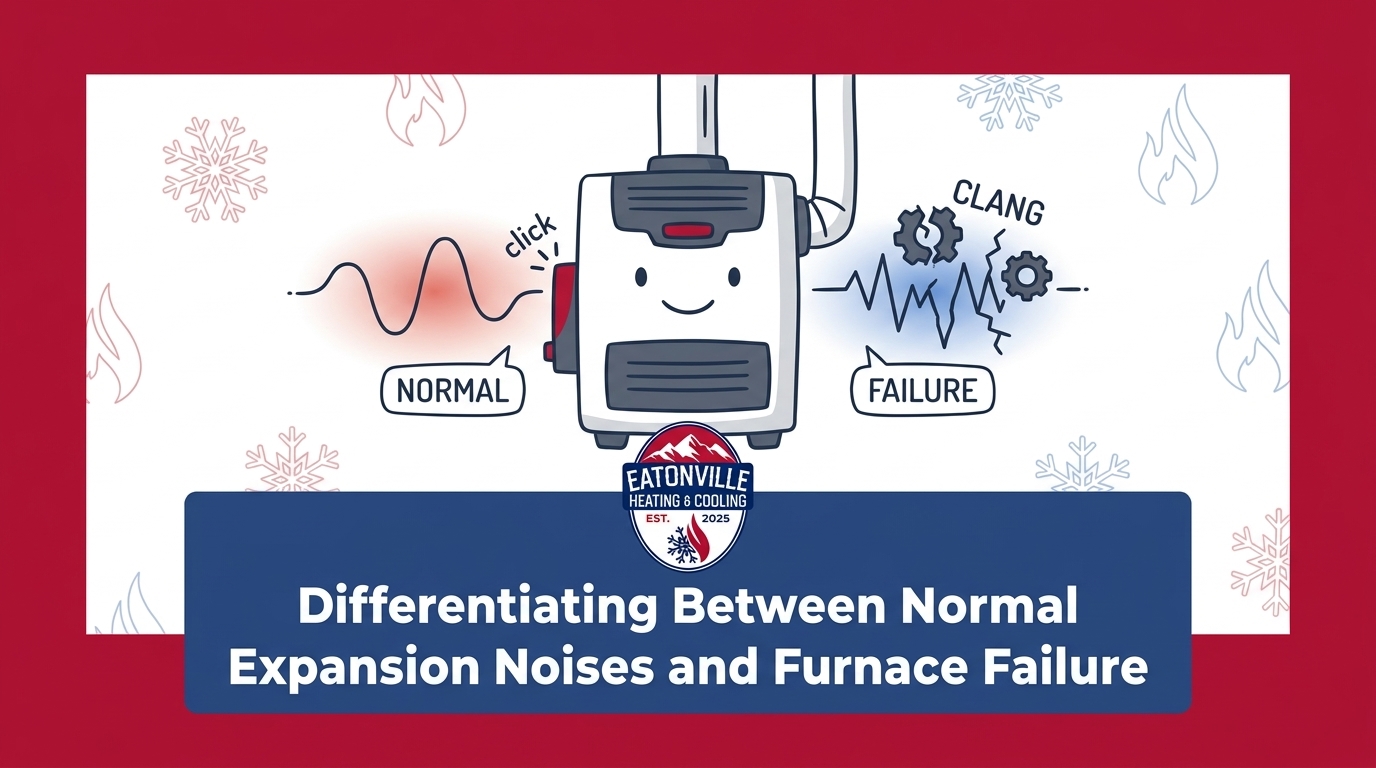
Differentiating Between Normal Expansion Noises and Furnace Failure
Hearing a loud bang on the first chilly fall morning can be terrifying. Decide with confidence whether to let the system run or shut it down for emergency service.
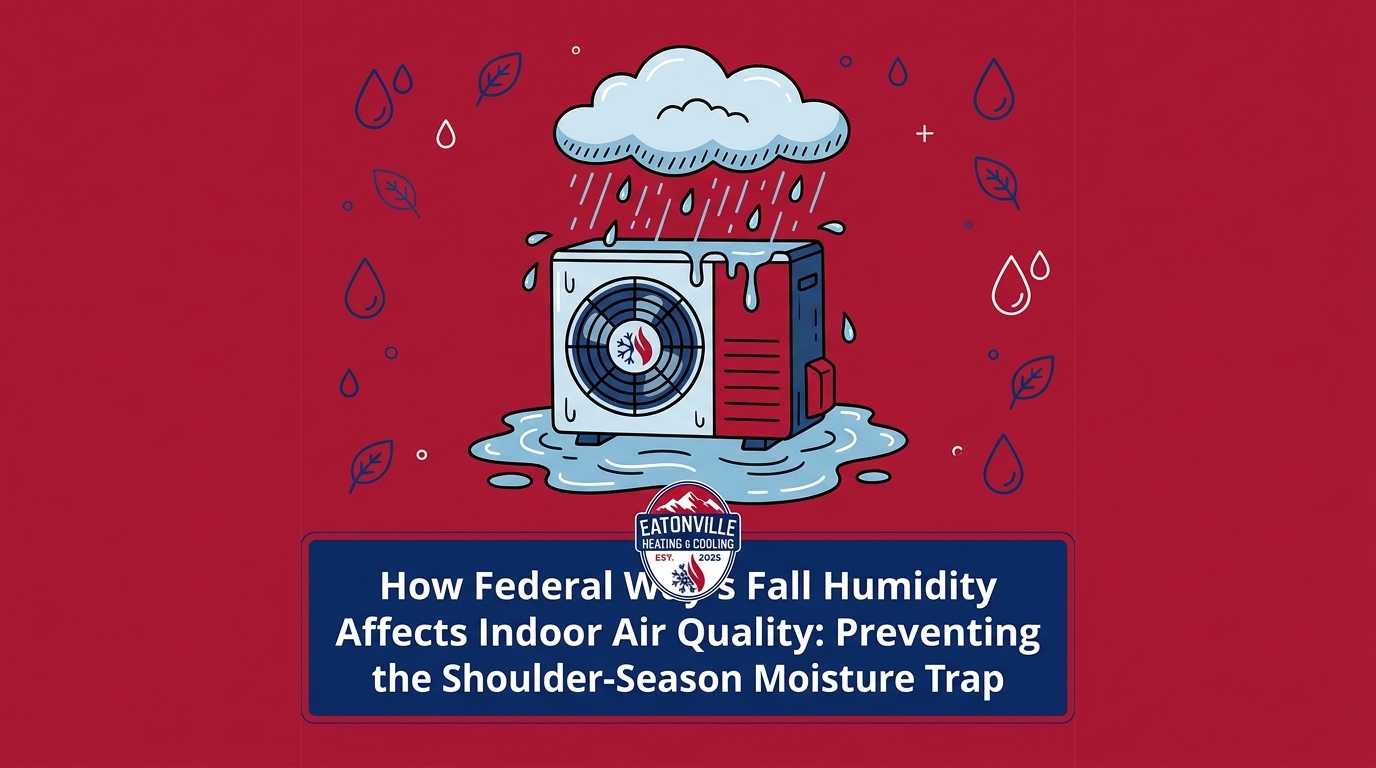
How Federal Way's Fall Humidity Affects Indoor Air Quality
The transition to damp autumn weather creates a tricky shoulder season for your HVAC system. Without the AC running, ambient moisture gets trapped inside. See how to manage ventilation.
Deciding Between a Modulating and Two-Stage Furnace for Lacey Climates
Upgrading your heating system before the damp winter hits? Find out whether the precise comfort of a modulating unit or the reliability of a two-stage system fits your home.

What a Comprehensive Fall Furnace Inspection Actually Entails
A professional heating tune-up requires much more than a basic filter change. We pull back the curtain on the exact electrical and combustion tests that prevent winter breakdowns.
Repurposing Old AC Pads When Upgrading to a New Heat Pump
Preparing for a fall system upgrade? Reusing a sunken 1990s concrete base can cause poor drainage and oil starvation for modern equipment—see why leveling matters.