



How to Fix Dirty Condenser Coil Issues in the Pacific Northwest
Understanding Dirty Condenser Coil Problems in a Damp Rainy Pacific Northwest Environment To understand why your outdoor unit is struggling, you first have to understand what the condenser coil actually does. Think of th
Understanding Dirty Condenser Coil Problems in a Damp Rainy Pacific Northwest Environment
To understand why your outdoor unit is struggling, you first have to understand what the condenser coil actually does. Think of the coil as the "lungs" of your system. In the summer, it breathes out the heat collected from inside your home. In the winter, if you have a heat pump, it breathes in heat from the outdoor air to warm your house.
In places like Tacoma, Puyallup, and Olympia, our outdoor units are constantly fighting the elements. Because the condenser coil is made of tightly packed aluminum fins, it has a massive surface area. While this is great for heat transfer, it also makes the unit a giant magnet for everything floating in our damp air. When these fins get clogged, the heat has nowhere to go. This leads to AC service Tacoma WA calls that could have been avoided with a simple cleaning.
In the South Puget Sound, our weather patterns mean units rarely get a chance to fully dry out. This constant state of dampness turns ordinary dust into a thick, muddy paste that cements itself between the fins.
Why dirty condenser coil problems in a damp rainy pacific northwest environment lead to corrosion
Corrosion is the silent killer of HVAC systems in Washington. When we talk about dirty condenser coil problems in a damp rainy pacific northwest environment, we aren't just talking about a little "dust." We are talking about a chemical process.
1. Oxidation: Aluminum fins are delicate. When they stay wet for months on end, the metal begins to oxidize, turning into a white, powdery substance that eats away at the metal’s integrity.
2. Salt Air Impact: For our neighbors in Gig Harbor or Lacey, the salt-laden air from the Puget Sound acts as a catalyst, accelerating this rust and degradation significantly.
3. Chemical Reactions: When organic debris like fallen leaves or pine needles sits on a wet coil, it begins to decompose. This decomposition releases mild acids that further pit and corrode the copper tubing and aluminum fins.
Once corrosion sets in, it can lead to microscopic holes in the coils. This is a primary cause for AC repair Tacoma WA requests involving refrigerant leaks.
Managing dirty condenser coil problems in a damp rainy pacific northwest environment during pollen season
Spring in the Pacific Northwest is beautiful, but it is brutal on your HVAC system. We experience "pollen dumps" that can coat a car in yellow dust in a single afternoon. Imagine what that is doing to your condenser.
Pine needles are particularly troublesome. They are thin enough to slide between the protective grates of your unit but large enough to get wedged deep inside the coil fins. They act like tiny spears that trap cottonwood seeds and other sticky residues. This creates a literal wall of debris that restricts airflow. Without proper HVAC maintenance Tacoma WA, your system starts the summer season already "choking" for air.
How PNW Humidity and Organic Debris Accelerate Coil Damage
In the Pacific Northwest, we frequently see humidity levels stay above the 75% threshold for weeks at a time from October through May. This isn't just uncomfortable for humans; it’s a breeding ground for biological growth.
When organic material like dirt and pollen gets trapped in the coils and stays damp, it creates a "wet blanket effect." This layer of sludge holds moisture directly against the metal 24/7. This is where we see moss and algae start to grow right on the unit. Moss acts like a sponge, holding even more water and preventing the coil from ever reaching a dry state.
This trapped moisture is often why your AC freezes up and what you can do about it. When airflow is restricted by a "blanket" of moss and dirt, the refrigerant temperatures can drop too low, causing the moisture on the coils to turn into a solid block of ice, even on a warm day.
Identifying Signs of Failing Coils in Washington and Oregon
How do you know if your coils are reaching a breaking point? You don't always need to be a technician to spot the red flags. Here is what to look for:
• Weak Airflow: If the air coming out of your vents feels "lazy" or weak, your system is likely struggling to pull air through a clogged outdoor coil.
• Uneven Temperatures: Are some rooms ice cold while others stay warm? This inconsistency is one of the most common reasons your AC isn't keeping your home cool.
• Hissing Noises: This often indicates a refrigerant leak caused by corrosion.
• Musty Odors: If the air coming from your vents smells like a damp basement, you likely have mold or algae growth on your coils.
• Ice Formation: If you see white frost or ice on the copper lines leading to your outdoor unit, shut it off immediately and call for service.
The High Cost of Neglect: Efficiency and Lifespan Impacts
Ignoring your outdoor unit might seem like a way to save money in the short term, but the math tells a different story. Based on May 2026 data, the financial impact of neglected coils is staggering.
Well-MaintainedDirty CoilsNeglected (Corroded)A dirty or neglected system can lose up to 15% of its efficiency every single year it goes without service. This is why we emphasize how regular AC maintenance protects your system and your budget. When the coils are dirty, the compressor—the most expensive part of your unit—has to work twice as hard to move heat. This extra strain is what causes systems that should last 20 years to burn out in just a decade. In our region, heat pumps can consume 20% to 25% less energy just by keeping those coils clean.
Effective Maintenance for Rainy Environments
Maintaining a system in a place like Graham or Spanaway requires a different approach than in a dry climate like Arizona. Here is our professional "PNW Maintenance Checklist" for homeowners:
1. The 2-Foot Rule: Keep at least two feet of clear space around your outdoor unit. This means trimming back rhododendrons, ferns, and blackberry bushes that love to creep toward the fan.
2. Clear the Base: Ensure the "pan" at the bottom of the unit isn't full of standing water or wet leaves. Proper drainage is essential to prevent base-pan corrosion.
3. Soft Brush Cleaning: You can gently use a soft-bristled brush to remove visible spider webs or dry leaves from the exterior fins. Never use a wire brush, as this will flatten the delicate aluminum.
4. Fin Straightening: If you notice "bent" spots on your coils, a professional can use a fin comb to restore airflow.
5. Biannual Service: Because heat pumps in our area run year-round for both heating and cooling, we recommend heating maintenance Tacoma WA in the fall and AC maintenance Tacoma WA in the spring.
Frequently Asked Questions about PNW Condenser Coils
How often should I clean my coils in the Pacific Northwest?
For most homes in the South Puget Sound, a professional cleaning once a year is the minimum. However, if you live in a heavily wooded area (like parts of Buckley or Eatonville) or near the water (like Gig Harbor), we recommend a check-up every six months. Heat pumps, which never get a "season off," absolutely require biannual attention to stay efficient.
Can rain actually help clean my outdoor condenser unit?
This is a common myth! While a light rain might wash away some surface dust, heavy PNW rains actually do the opposite. Rain often splashes mud and dirt from the ground up into the bottom of the unit. Furthermore, rain doesn't have the pressure needed to get between the fins; instead, it just turns the existing dust into a sticky sludge that's harder to remove.
What are the dangers of DIY coil cleaning?
Many homeowners try to use a pressure washer to clean their coils. Please, do not do this. The high pressure will instantly flatten the aluminum fins, permanently "closing" the lungs of your system and requiring an expensive coil replacement. Additionally, using the wrong household chemicals can actually cause the metal to corrode faster. Professional cleaning involves specialized, pH-balanced foaming cleaners that safely break down organic material without damaging the metal.
Conclusion
At Eatonville Heating & Cooling, we’ve been serving our neighbors from Auburn to Yelm for years. We know that a home in the Pacific Northwest is a major investment, and your HVAC system is the heart of that home’s comfort. Dirty condenser coil problems in a damp rainy pacific northwest environment are a reality of living in this beautiful, green corner of the world, but they don't have to lead to a system failure.
Our family-owned team is dedicated to providing reliable, expert care that extends the life of your equipment and keeps your utility bills in check. Don't wait for the first 90-degree day in July to find out your coils are clogged. Schedule your professional AC service today and let us ensure your system is ready for whatever the Washington weather throws our way.
Recent Posts
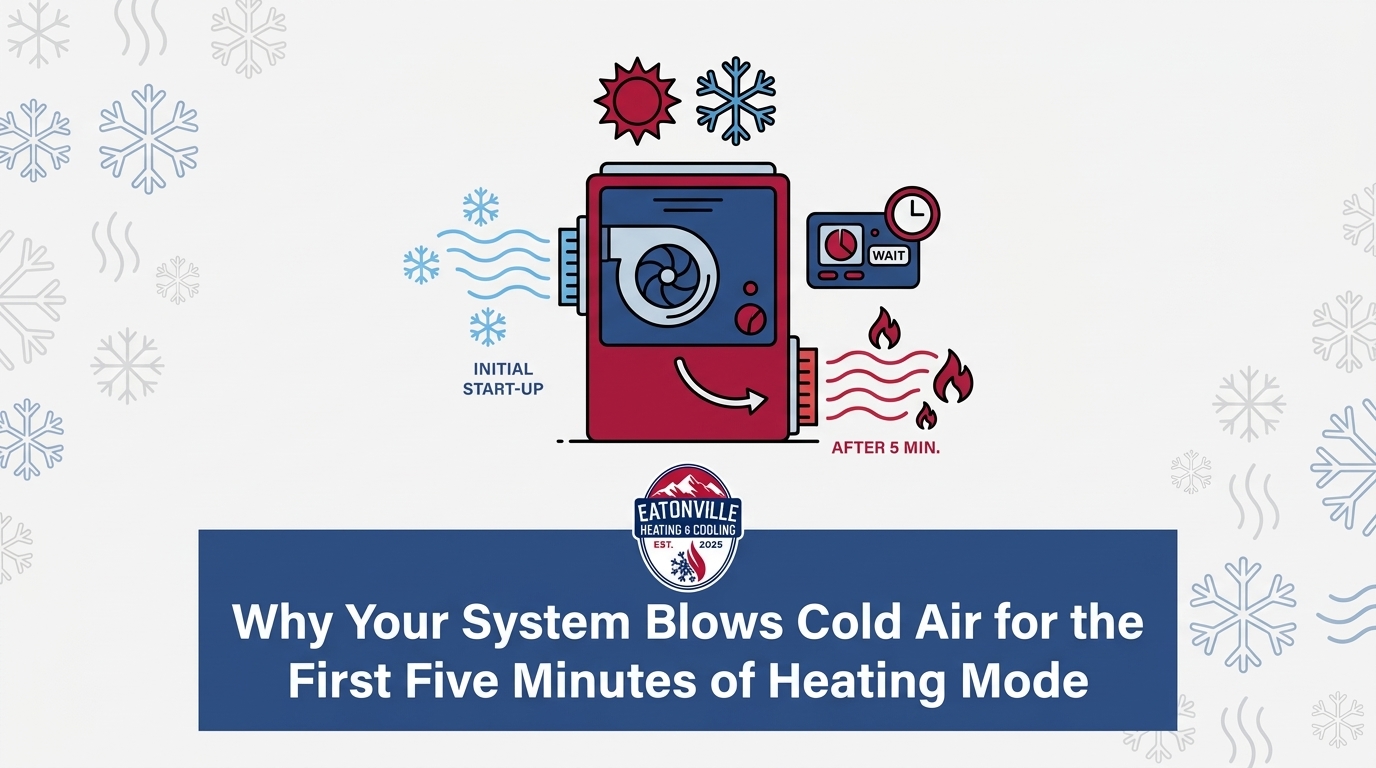
Why Your System Blows Cold Air for the First Five Minutes of Heating Mode
Turning on your furnace on a chilly fall morning only to feel a freezing breeze is stressful. Find out if that initial blast of cold air is normal or a sign of trouble.
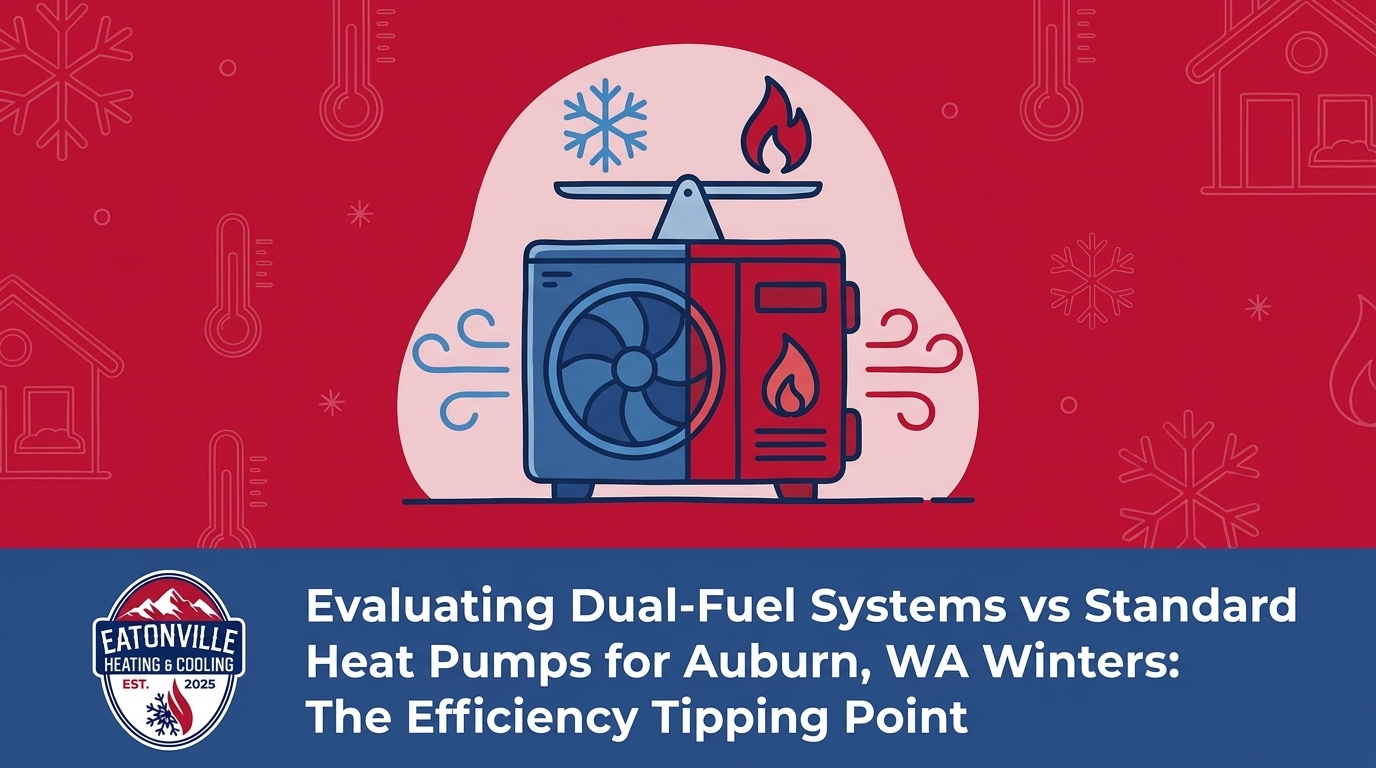
Evaluating Dual-Fuel Systems vs Standard Heat Pumps for Auburn Winters
Sub-freezing overnight temperatures force electric heat pumps to work harder. Explore the efficiency tipping point between standard electric and dual-fuel gas backups to choose the right system.
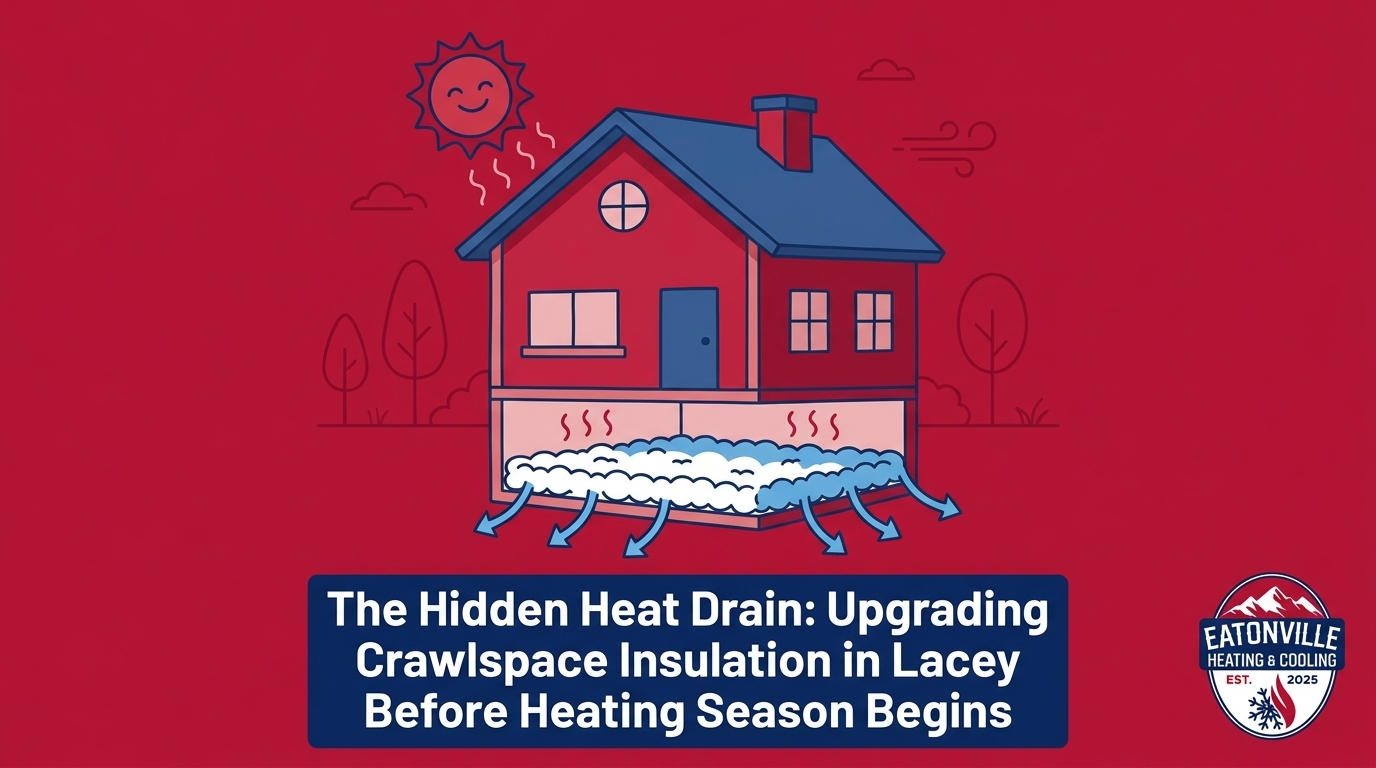
Upgrading Crawlspace Insulation in Lacey Before Heating Season Begins
Don't let your furnace work overtime just to heat the damp air beneath your floorboards. Upgrading your crawlspace insulation stops hidden heat loss and keeps your living room warm all winter long.
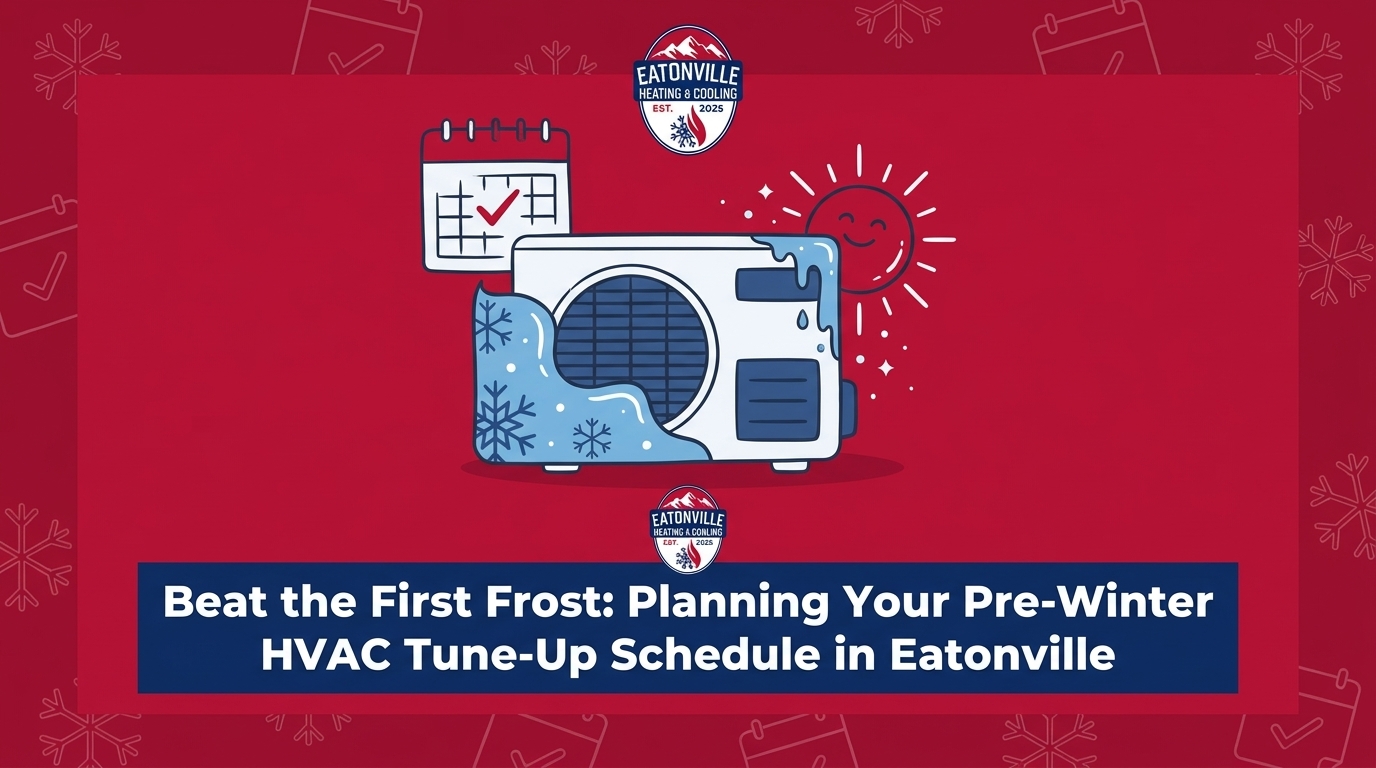
Planning Your Pre-Winter HVAC Tune-Up Schedule in Eatonville
The first fall freeze always triggers a scheduling panic for heating repairs. Booking your maintenance in September guarantees priority service when temperatures drop.
Planning Your Pre-Winter HVAC Tune-Up Schedule in Eatonville
The first fall freeze always triggers a scheduling panic for heating repairs. Booking your maintenance in September guarantees priority service when temperatures drop.
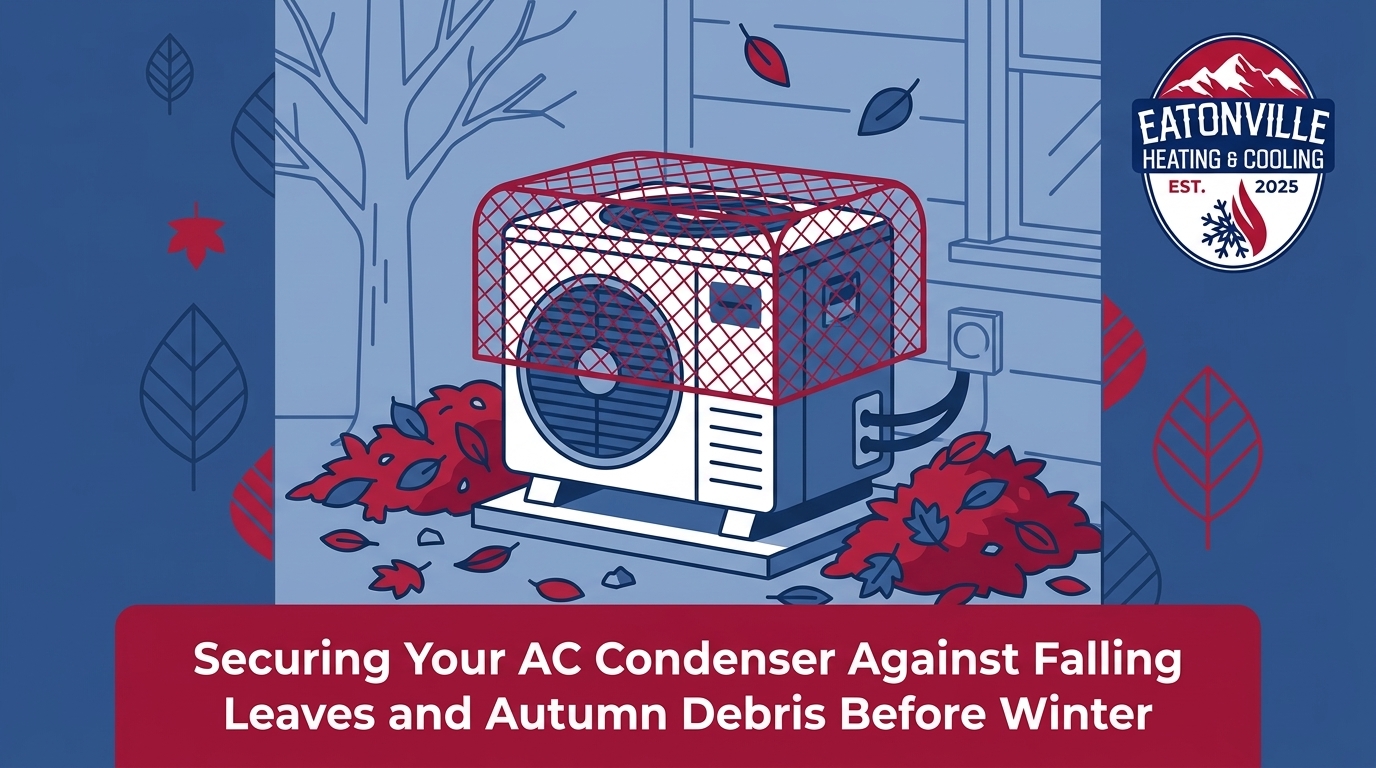
Securing Your AC Condenser Against Falling Leaves and Autumn Debris
Wet September leaves can trap moisture inside your outdoor base pan, causing rust and restricted airflow. See how clearing this debris protects your winter heating cycle.