


The Ultimate Guide to Heat Pumps for South Sound Climate
Why Heat Pumps Are Ideal for the South Sound Climate — And Why It Matters for Your Home Why heat pumps are ideal for the South Sound climate comes down to one simple fact: this region's mild, maritime winters and mo
Why Heat Pumps Are Ideal for the South Sound Climate — And Why It Matters for Your Home
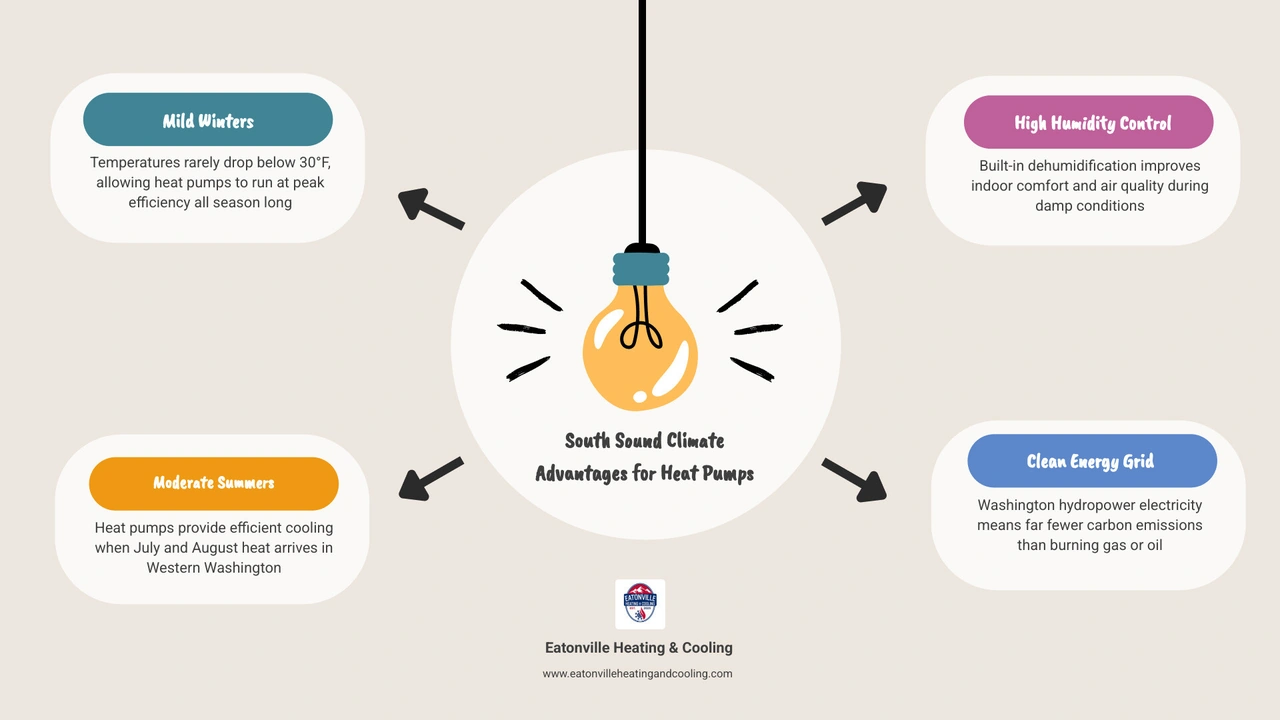
Why heat pumps are ideal for the South Sound climate comes down to one simple fact: this region's mild, maritime winters and moderate summers are almost perfectly matched to how heat pump technology works best.
Here's a quick summary of the top reasons:
• Mild winters — South Sound temperatures rarely drop below 30°F, keeping heat pumps running at peak efficiency nearly all season long
• No extreme cold — Unlike harsher climates, the region almost never pushes heat pumps past their limits
• Moderate summers — Heat pumps double as efficient air conditioners when July and August heat arrives
• High humidity — Heat pumps manage moisture as they condition air, improving indoor comfort
• Clean electricity grid — Washington State's largely hydropower grid means running a heat pump produces far fewer carbon emissions than burning gas
• Strong local incentives — Utility rebates from Tacoma Public Utilities and Puget Sound Energy, plus federal tax credits, reduce the upfront investment significantly
• Energy savings — Modern heat pumps can cut electricity use for heating by up to 50% compared to electric furnaces or baseboard heaters
If you've been wondering whether a heat pump makes sense for your home, the short answer for most South Sound homeowners is: yes — and your local climate is a big reason why.
I'm Matthew Percy, owner of Eatonville Heating & Cooling, and after years of installing and servicing heat pumps across the South Sound, I've seen why heat pumps are ideal for the South Sound climate and how the right system can transform a home's comfort and energy costs. Let's walk through everything you need to know.
Why Heat Pumps Are Ideal for the South Sound Climate
To understand why heat pumps are ideal for the South Sound climate, it helps to look at how these systems operate compared to traditional heating equipment. Unlike a gas or electric furnace, which must burn fuel or use high-resistance heating elements to create heat, a heat pump acts as a heat transporter. It extracts existing heat from the outdoor air—even when it feels cold outside—and pumps it directly into your home.
In Western Washington, we enjoy a unique maritime climate characterized by cool, damp winters and relatively mild summers. Because we rarely experience the sub-zero deep freezes of the Midwest or the scorching, triple-digit summer weeks of the Southwest, our local weather aligns perfectly with the optimal operating range of air-source heat pumps.
When outdoor temperatures remain above freezing, a heat pump operates at peak efficiency, often delivering three to four times more heat energy than the electrical energy it consumes. For homeowners looking to optimize their home comfort in Pierce, Thurston, and South King Counties, upgrading to a heat pump is an incredibly smart investment. If you are ready to make the switch in Pierce County, securing a professional Heat Pump Installation Tacoma WA ensures your system is perfectly set up to handle our unique regional weather.
Understanding Why Heat Pumps Are Ideal for the South Sound Climate
A common question we hear from homeowners in places like Lacey, Tumwater, and Olympia is: Can a heat pump actually keep my home warm when the temperature drops?
The answer is a resounding yes. Modern heat pumps are engineered to perform exceptionally well across a wide range of temperature thresholds. Standard air-source heat pumps can easily heat a home efficiently down to 25°F. For the rare winter nights in the South Sound when the thermometer dips below freezing, modern cold-climate heat pumps can maintain high efficiency down to 0°F—and some specialized models can operate efficiently down to -15°F.
However, a heat pump's real-world performance is deeply connected to your home's overall thermal envelope. Two key factors dictate how hard your heat pump has to work:
• Building Insulation: High-quality insulation in your attic, walls, and crawlspaces keeps the heat your system transfers inside your living spaces.
• Air Sealing: Sealing drafts around windows, doors, and plumbing penetrations prevents cold, damp outdoor air from seeping in and forcing your system to run longer cycles.
By pairing a properly sized heat pump with basic weatherization steps, you ensure your home stays perfectly cozy even during the coldest winter snaps. If you live in Thurston County, reaching out for a professional Heat Pump Installation Olympia WA is the first step toward evaluating your home's readiness and selecting the perfect unit for your layout.
Environmental and Efficiency Benefits in Western Washington
Switching to a heat pump is one of the most impactful choices a homeowner can make for both their wallet and the planet. Because heat pumps move heat rather than creating it, modern systems can reduce your heating-related electricity use by up to 50% compared to traditional electric furnaces or baseboard heaters.
These efficiency gains translate directly into long-term financial and environmental benefits:
• Substantial Energy Savings: Homeowners who transition to an energy-efficient heat pump save an average of over $500 per year on their utility bills. If you are replacing an exceptionally old, inefficient oil or propane furnace, those annual savings can climb even higher.
• Significant Carbon Footprint Reduction: Heating and cooling make up the largest portion of a home's energy consumption. By switching to a heat pump, you can save between 2.6 and 7.6 metric tons of carbon emissions per year.
• Leveraging Variable-Speed Technology: Older HVAC systems use standard on/off motors that blast hot air at 100% capacity and then shut off completely, leading to annoying temperature swings. Modern heat pumps utilize variable-speed (inverter) compressors. These systems act like a dimmer switch, constantly adjusting their output in tiny increments to maintain a perfectly steady indoor temperature while using a fraction of the power.
For residents in Eastern Pierce County, scheduling a high-quality Heat Pump Installation Puyallup WA allows you to capture these environmental and financial savings while upgrading your everyday comfort.
How a Heat Pump Works as Both a Heater and Cooler in Western Washington
The magic of a heat pump lies in its dual-functionality. Many homeowners are surprised to learn that a heat pump is essentially an air conditioner that can run in reverse.
The system relies on a continuous refrigerant cycle to transfer thermal energy. In the summer, the heat pump acts exactly like a traditional air conditioner: it extracts heat from inside your home and dumps it outdoors, leaving your indoor air cool and refreshing. In the winter, a specialized component called a reversing valve changes the flow of the refrigerant. Instead of cooling, the system extracts heat from the outdoor air and releases it inside.
Additionally, heat pumps excel at managing one of the South Sound's most persistent climate challenges: high humidity. During damp spring and fall weeks, a heat pump naturally dehumidifies your indoor air as it circulates, preventing that clammy, cold feeling that often plagues PNW homes.
If you live in an older home without pre-existing ductwork, you don't have to take on a massive remodeling project to get these benefits. To learn more about your options, check out our detailed guide on Are Mini-Splits More Efficient Than Adding Ductwork to an Older PNW Home.
Year-Round Comfort: Why Heat Pumps Are Ideal for the South Sound Climate
Historically, many homes in Western Washington were built without central air conditioning. For decades, our summers were mild enough that a few box fans could get us through the warmest weeks. However, as our summer seasons have grown warmer and wilder fire seasons have made opening windows less desirable, having reliable indoor cooling is no longer just a luxury—it is a matter of safety and health.
A heat pump solves this issue perfectly by providing a single, elegant solution for year-round comfort:
• Winter Warmth: Delivers a gentle, consistent flow of warm air that doesn't dry out your skin or respiratory passages.
• Summer Cooling: Provides whisper-quiet air conditioning during our increasingly hot July and August afternoons.
• Consistent Temperatures: Eliminates hot and cold spots throughout your home, ensuring every room feels equally comfortable.
• Enhanced Indoor Air Quality: Unlike combustion-based systems, heat pumps do not produce combustion byproducts or risk carbon monoxide leaks. Furthermore, their continuous air circulation and advanced multi-stage filtration systems constantly scrub dust, pollen, and wildfire smoke out of your indoor air.
For families in our home base of Eatonville and surrounding areas like Graham or Yelm, a professional Heat Pump Installation Eatonville WA ensures your household enjoys clean, climate-controlled air 365 days a year.
Comparing Heat Pumps to Traditional Furnaces and ACs
When planning an HVAC upgrade, it is helpful to look at how a heat pump stacks up against traditional heating and cooling options.
Primary FunctionEnergy SourceOperational EfficiencyCombustion SafetyNoise LevelsAir FiltrationBecause a traditional gas furnace relies on combustion, it inherently carries safety risks and can dry out your home's air during dry winter stretches. A heat pump, on the other hand, provides a incredibly safe, quiet, and balanced approach to home comfort.
Key Installation and Maintenance Considerations for South Sound Homes
When choosing to install a heat pump in the South Sound, there is no one-size-fits-all solution. Homeowners must choose between a ducted system (which connects to your home's existing duct network) and a ductless mini-split system (which uses individual indoor air handlers mounted on walls or ceilings). Ductless systems are incredibly efficient because they eliminate the energy loss associated with ductwork transport—which can account for up to 25% of a home's energy loss.
To ensure your new system performs flawlessly, we always perform a comprehensive Manual J load calculation. This industry-standard calculation takes into account your home's square footage, wall insulation, window types, roof design, and local weather patterns to determine the exact heating and cooling capacity your home requires. An undersized system will struggle to keep up on cold days, while an oversized system will short-cycle, leading to increased wear and tear and poor humidity control.
Maximizing Lifespan and Efficiency in a Damp Environment
Most residential heat pumps have an expected lifespan of 10 to 15 years, but in our mild maritime climate, a well-maintained, high-quality heat pump can easily last 15 to 20 years. Because our winters are moderate, the compressor and coils do not experience the extreme thermal shock common in harsher regions of the country.
However, our damp, humid environment presents its own set of challenges. To keep your system running at peak performance, regular homeowner and professional maintenance is essential:
• Keep the Outdoor Unit Clear: Ensure leaves, pine needles, and weeds do not block airflow around your outdoor condenser.
• Monitor for Ice Buildup: During cold, foggy winter mornings, your heat pump will naturally enter a brief "defrost cycle" to melt frost off the coils. If you notice heavy ice that doesn't melt, call a professional right away.
• Clean Indoor Filters Regularly: Clean filters ensure proper airflow, which prevents the system's compressor from overworking. For ductless systems, read our helpful guide on How Often to Clean Mini-Split Filters in a Damp South Sound Environment to keep your air clean and your utility bills low.
Local Rebates and Utility Incentives
Upgrading your home's comfort system is a significant investment, but local utility providers and federal programs offer generous incentives to help offset the upfront cost.
Depending on your specific location and current heating source, you may qualify for:
• Tacoma Public Utilities (TPU) Rebates: TPU offers substantial rebates for homeowners upgrading to qualified ductless mini-splits or high-efficiency variable-speed central heat pumps.
• Puget Sound Energy (PSE) Rebates: PSE offers excellent rebates for customers transitioning from electric resistance heat or older, inefficient systems. That certain PSE rebates require installation by an approved PSE Trade Ally.
• Federal Tax Credits (Section 25C): Homeowners can claim a federal tax credit of up to 30% of the total installation cost (up to $2,000) for qualifying high-efficiency heat pumps.
Navigating these programs can feel overwhelming, but we are here to help you maximize your savings. For a step-by-step walkthrough, check out our guide on How to Apply for Puget Sound Energy Rebate on a New Heat Pump in the South Sound.
Frequently Asked Questions About South Sound Heat Pumps
Can a heat pump handle freezing temperatures in Western Washington?
Yes. While older heat pumps from decades ago struggled when temperatures dropped below 40°F, modern cold-climate heat pumps are designed to maintain excellent heating capacity down to 5°F and below. Because South Sound winter temperatures rarely drop into the teens, a modern heat pump has more than enough power to keep your home warm and cozy. For peace of mind, we can also install auxiliary electric heat strips or set up a hybrid system with your existing furnace to act as a backup on the coldest days of the year.
What are the signs that it is time to replace an older HVAC system?
If your current heating or cooling system is over 10 to 12 years old, it is wise to start planning for its replacement before an unexpected winter breakdown occurs. Key warning signs include:
• Frequent Repairs: If you are calling for service multiple times a year, those costs are better spent on a new system.
• Rising Energy Bills: An unexplained spike in your monthly utility bills often indicates your system is losing its efficiency.
• Uneven Heating or Cooling: Rooms that feel like iceboxes while others are stifling indicate a failing compressor or poor system airflow.
• Unusual Noises: Squealing, grinding, or rattling sounds are clear signs of mechanical failure.
What is the difference between air-source and ductless mini-split heat pumps?
Both systems use the same basic heat transfer technology, but they distribute air differently. A standard air-source heat pump is a central system that connects to a network of ductwork to blow air through vents in your floor or ceiling. A ductless mini-split system bypasses ducts entirely, using small, quiet indoor air handlers mounted directly in individual rooms. Ductless systems are highly flexible, allow for customized temperature zones throughout your home, and completely eliminate the energy loss associated with leaky ductwork.
Conclusion
When you look at our mild winters, warm summers, and damp shoulder seasons, it is easy to see why heat pumps are ideal for the South Sound climate. They deliver unmatched energy efficiency, lower your monthly utility bills, reduce your environmental impact, and provide the whisper-quiet, year-round comfort your family deserves.
At Eatonville Heating & Cooling, we are proud to be a family-owned, local HVAC provider serving our neighbors across Eatonville, Tacoma, Puyallup, Olympia, and the surrounding communities. We focus on quality craftsmanship, honest communication, and finding the perfect comfort solution tailored to your home and budget.
Ready to experience the difference a modern heat pump can make in your home? Schedule your expert heat pump consultation today and let our friendly team guide you toward a more comfortable, energy-efficient future.
Recent Posts

Adapting Yelm Wood-Framed Homes for Modern Central Air
Adding central air to an older wood-framed home takes careful planning. See how attic framing, ductwork and wiring shape a safe, effective upgrade.
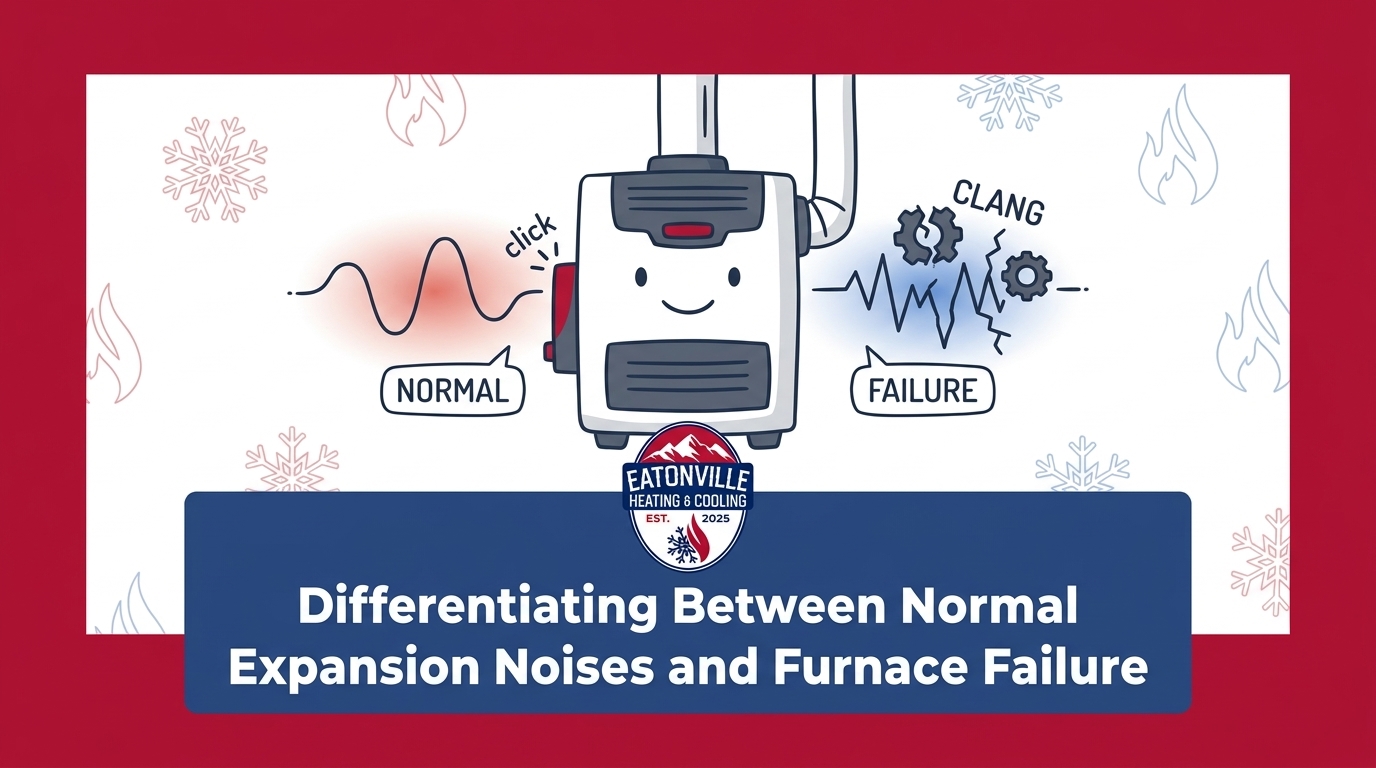
Differentiating Between Normal Expansion Noises and Furnace Failure
Hearing a loud bang on the first chilly fall morning can be terrifying. Decide with confidence whether to let the system run or shut it down for emergency service.
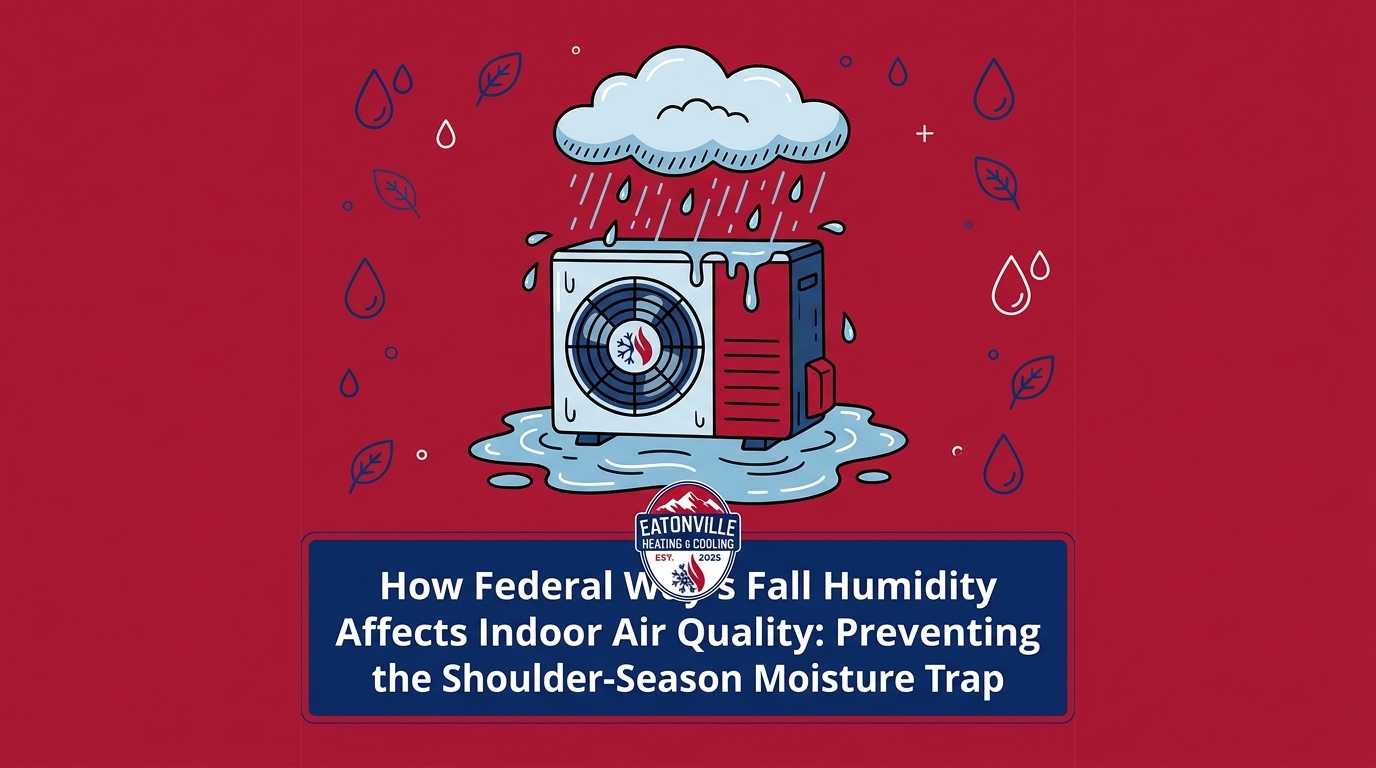
How Federal Way's Fall Humidity Affects Indoor Air Quality
The transition to damp autumn weather creates a tricky shoulder season for your HVAC system. Without the AC running, ambient moisture gets trapped inside. See how to manage ventilation.
Deciding Between a Modulating and Two-Stage Furnace for Lacey Climates
Upgrading your heating system before the damp winter hits? Find out whether the precise comfort of a modulating unit or the reliability of a two-stage system fits your home.

What a Comprehensive Fall Furnace Inspection Actually Entails
A professional heating tune-up requires much more than a basic filter change. We pull back the curtain on the exact electrical and combustion tests that prevent winter breakdowns.
Repurposing Old AC Pads When Upgrading to a New Heat Pump
Preparing for a fall system upgrade? Reusing a sunken 1990s concrete base can cause poor drainage and oil starvation for modern equipment—see why leveling matters.