


How to Maximize AC Lifespan in South Sound Winters
Why South Sound Winters Are Harder on Your AC Than You Think How infrequent use and winter moisture exposure affects AC lifespan in the South Sound is something most homeowners don't think about until something goes
Why South Sound Winters Are Harder on Your AC Than You Think
How infrequent use and winter moisture exposure affects AC lifespan in the South Sound is something most homeowners don't think about until something goes wrong — but by then, the damage is often already done.
Here's a quick summary of what's happening to your AC during those wet, quiet months:
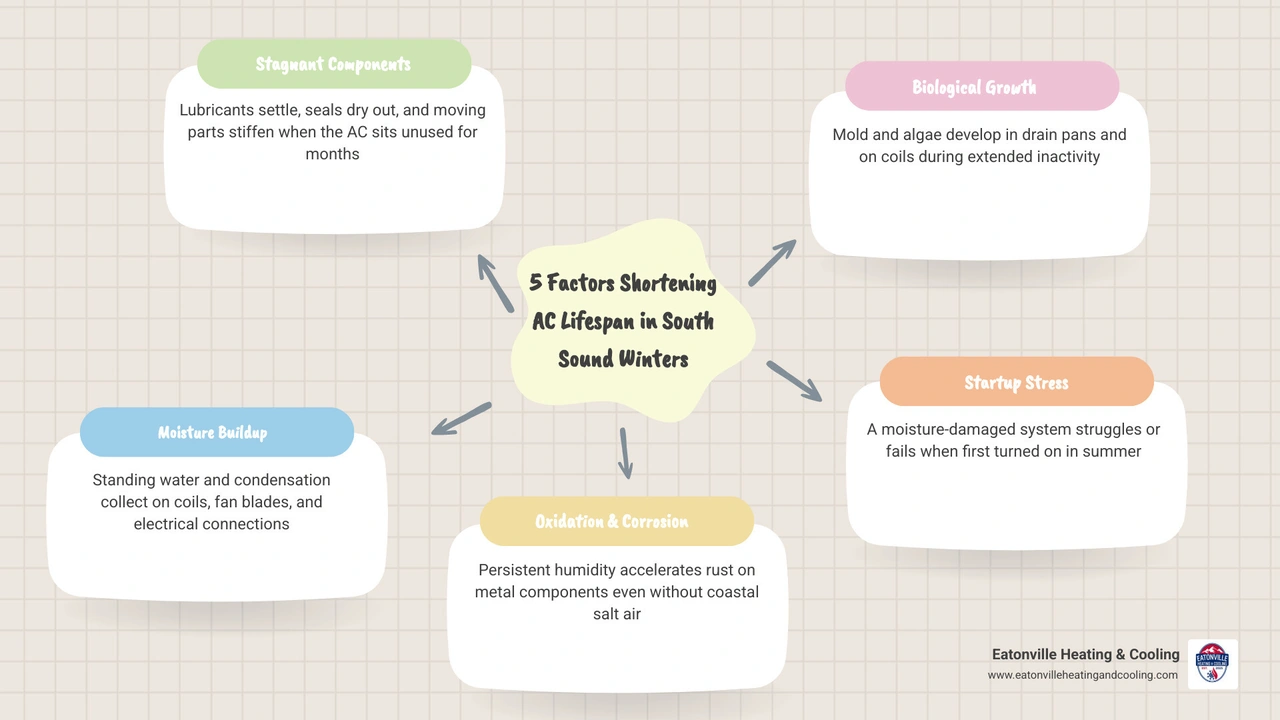
• Stagnant components — When your AC sits unused, lubricants settle, seals dry out, and moving parts stiffen up
• Moisture buildup — South Sound's rainy winters leave standing water and condensation on coils, fan blades, and electrical connections
• Oxidation and corrosion — Humidity accelerates rust on metal components, even without salt air
• Biological growth — Mold and algae can grow in drain pans and on coils during months of inactivity
• Startup stress — A system that has sat through months of moisture is more likely to struggle or fail when you first turn it on in summer
Inland AC systems can last 12 to 15 years with good maintenance, but units exposed to persistent humidity and seasonal neglect often see their lifespan cut short well before that benchmark.
The South Sound region sits in a unique position — mild enough that homeowners often skip winter AC prep entirely, yet wet and cool enough that moisture damage quietly builds up season after season. That combination is exactly what shortens equipment life in this area.
I'm Matthew Percy, owner of Eatonville Heating & Cooling, and after years of servicing systems across the South Sound, I've seen how infrequent use and winter moisture exposure affects AC lifespan in ways that most homeowners don't catch until they're facing an expensive repair or early replacement.
How Infrequent Use and Winter Moisture Exposure Affects AC Lifespan in the South Sound
In towns like Eatonville, Graham, and Spanaway, we experience a "shoulder season" that lasts for months. Your air conditioner might go from working overtime in August to sitting completely idle from October through May. While you might think "not using it" saves the machine from wear and tear, the reality is a bit more complicated.
Mechanical Stagnation and Lubricant Settling
An air conditioner is a complex mechanical system filled with moving parts, specifically within the compressor. The compressor relies on specialized oil to keep everything moving smoothly. When the system sits idle for six months, that oil settles at the bottom of the unit. The seals and gaskets, which are designed to stay moist and pliable through regular operation, can begin to dry out.
When you finally flip the switch in the spring of 2026, the system experiences "dry start" friction. This initial surge of activity without proper lubrication can cause microscopic damage to the internal components, eventually leading to a premature compressor failure. This is why AC Maintenance Eatonville WA is so critical; a professional can ensure the system is lubricated and ready before that first big heat wave hits.
The Problem with "The Big Damp"
Our South Sound winters aren't just rainy; they are persistently humid. Relative humidity levels in areas like Tacoma and Lakewood often hover between 70% and 85% for weeks at a time. This constant moisture exposure creates a breeding ground for biological growth.
Algae and mold don't need much to thrive — just a little dust on your evaporator coils and a lot of moisture. Over the winter, these growths can clog your condensate drain lines. When you turn the AC back on, that blockage leads to water backing up into your home or causing the system to shut down entirely. Regular AC Service Tacoma WA includes clearing these lines to prevent "winter sludge" from ruining your summer comfort.
Electrical Oxidation
Moisture and electricity are famous enemies. In the South Sound, the damp air can lead to oxidation on electrical terminals and contactors. Think of it like the "crust" that forms on old battery terminals. This oxidation increases electrical resistance, forcing your unit to pull more power to achieve the same cooling effect. Not only does this raise your energy bills, but it also puts immense strain on the capacitors and motors, shortening their operational life.
The Impact of Humidity and Salt Air on System Components
If you live in Gig Harbor, University Place, or near the shores of Steilacoom, your AC unit isn't just fighting moisture; it’s fighting salt. Marine aerosols — tiny droplets of saltwater carried by the wind — can travel several miles inland. When these particles land on your AC unit, they trigger an electrochemical reaction that can be devastating.
Galvanic and Formicary Corrosion
Most AC units are a mix of metals: copper tubing and aluminum fins. When salt and moisture get between these two different metals, it creates a "galvanic" reaction. Essentially, your air conditioner begins to act like a very slow, self-destructing battery. The aluminum fins become brittle and start to flake away, which reduces the surface area available for heat exchange.
Furthermore, "formicary corrosion" can occur. This is a specific type of pitting that creates microscopic, spider-web-like tunnels through the copper refrigerant lines. You might not see the leak, but you’ll certainly feel it when the system stops cooling. Understanding Why Your AC Freezes Up and What You Can Do About It often starts with realizing that these tiny leaks, caused by winter moisture, lead to low refrigerant levels and frozen coils.
Comparing the Lifespan: Inland vs. Coastal
To give you an idea of how much how infrequent use and winter moisture exposure affects AC lifespan in the South Sound, look at the data comparing different environments:
Overall LifespanCondenser CoilsCabinet PanelsElectrical TerminalsAs you can see, proximity to the water and constant humidity can nearly cut the life of your system in half. This is why AC Maintenance Tacoma WA is focused heavily on cleaning and protecting these vulnerable metal surfaces.
Proactive Steps to Protect Your AC During the Off-Season
The good news is that you aren't helpless against the South Sound weather. Taking a few proactive steps in the autumn can add years to your system's life.
1. Use Breathable Covers Only
One of the biggest mistakes we see in places like Puyallup and Lacey is homeowners wrapping their outdoor unit in a heavy plastic tarp. Don't do this! Plastic tarps trap moisture inside the unit, creating a high-humidity "sauna" effect that accelerates rust and mold growth.
Instead, use a breathable mesh cover or a cover designed specifically for HVAC units that only covers the top. This prevents leaves and debris from falling into the unit while allowing air to circulate, keeping the internal components dry.
2. Clear the Debris Zone
Before the winter rains set in, clear a two-foot "buffer zone" around your outdoor condenser. Remove tall grass, weeds, and fallen leaves. Debris acts like a sponge, holding moisture against the cabinet and coils. By keeping the area clear, you ensure better airflow and faster drying times after a storm.
3. Schedule a Professional Winterization
Many homeowners ask, "What Size Air Conditioner Do You Really Need for Your Home," but they forget to ask how to keep that system running. A professional "tune-down" for the winter includes:
• Rinsing the coils to remove salt and dirt.
• Inspecting electrical connections for early signs of oxidation.
• Checking the drainage system for blockages.
• Applying a protective coating to the cabinet to prevent rust.
Following How Regular AC Maintenance Protects Your System and Your Budget is the absolute best way to ensure your investment lasts the full 15 to 20 years it was designed for.
Recognizing Signs of Seasonal Damage Before Summer 2026
As we approach the cooling season of 2026, it’s important to perform a "health check" on your system before you need it on a 90-degree day. If your system has been sitting through a particularly wet South Sound winter, look for these warning signs.
Unusual Noises
When you first start the system, listen closely. Rattling, buzzing, or a loud "clunk" can indicate that the compressor is struggling due to settled oil or that the fan motor bearings have been damaged by moisture. If the unit sounds like a jet engine or a bag of marbles, shut it off immediately and call for service.
Weak Airflow and Rising Bills
If your AC is running but the air coming out of the vents feels lukewarm or weak, you likely have a coil issue. Whether it's dirt buildup from the winter or a refrigerant leak caused by corrosion, The Most Common Reasons Your AC Isn't Keeping Your Home Cool often trace back to the off-season. Furthermore, if you notice your utility bills are 20% higher than last May, your system is likely working much harder than it should due to efficiency loss.
The "50% Rule" for Repairs
If you discover significant damage, you'll need to decide: Repair or Replace Your AC: How to Make the Right Call. A good rule of thumb is that if the repair cost is more than 50% of the value of a new system — especially on a unit that is 10 to 12 years old — it is often more cost-effective to upgrade to a modern, more corrosion-resistant model.
Frequently Asked Questions about South Sound AC Care
How does infrequent use and winter moisture exposure affects ac lifespan in the south sound compared to drier climates?
In drier climates like Eastern Washington, air conditioners face dust and heat, but they don't deal with the constant "wet-dry" cycles of the South Sound. Our humidity acts as a catalyst for chemical reactions. While a unit in a dry climate might fail because it "wore out" from use, a South Sound unit often fails because it "rotted out" from the environment. The lack of usage cycles during the winter means that the protective oils aren't being circulated, leaving the metal vulnerable to our heavy, moisture-laden air.
Can I use a plastic tarp to prevent how infrequent use and winter moisture exposure affects ac lifespan in the south sound?
Absolutely not. Using a non-breathable plastic tarp is one of the fastest ways to destroy your AC. It traps humidity inside, leading to rapid rust on the cabinet and electrical components. It also creates a perfect, dark, damp home for rodents who might chew on your wiring. If you want to protect the unit from snow or falling ice, use a specialized breathable cover or a simple piece of plywood weighted down on the top of the unit (leaving the sides open for airflow).
What are the first signs that winter moisture has damaged my system?
The most common first sign is "white rust" on the aluminum fins — this looks like a powdery white residue that eventually turns into brittle, flaking metal. You might also notice that the unit "stutters" when it tries to turn on, which indicates electrical contactor issues. Finally, check the base pan of the unit; if you see standing water or heavy rust at the bottom, your drainage is likely blocked, and the moisture is eating away at the structural integrity of the frame.
Conclusion
At Eatonville Heating & Cooling, we’ve been part of this community for years, and we know that a South Sound home is only as comfortable as its HVAC system. We are a family-owned company that believes in doing things right the first time. Whether you’re in Auburn, Bonney Lake, Federal Way, or right here in Eatonville, we understand the local climate challenges better than anyone.
Don't let the "Big Damp" of the Washington winter take years off your air conditioner's life. A little bit of prevention today goes a long way toward a cool, stress-free summer tomorrow.
Protect your investment and ensure your family's comfort. Schedule your professional AC inspection today with the experts at Eatonville Heating & Cooling!
Recent Posts
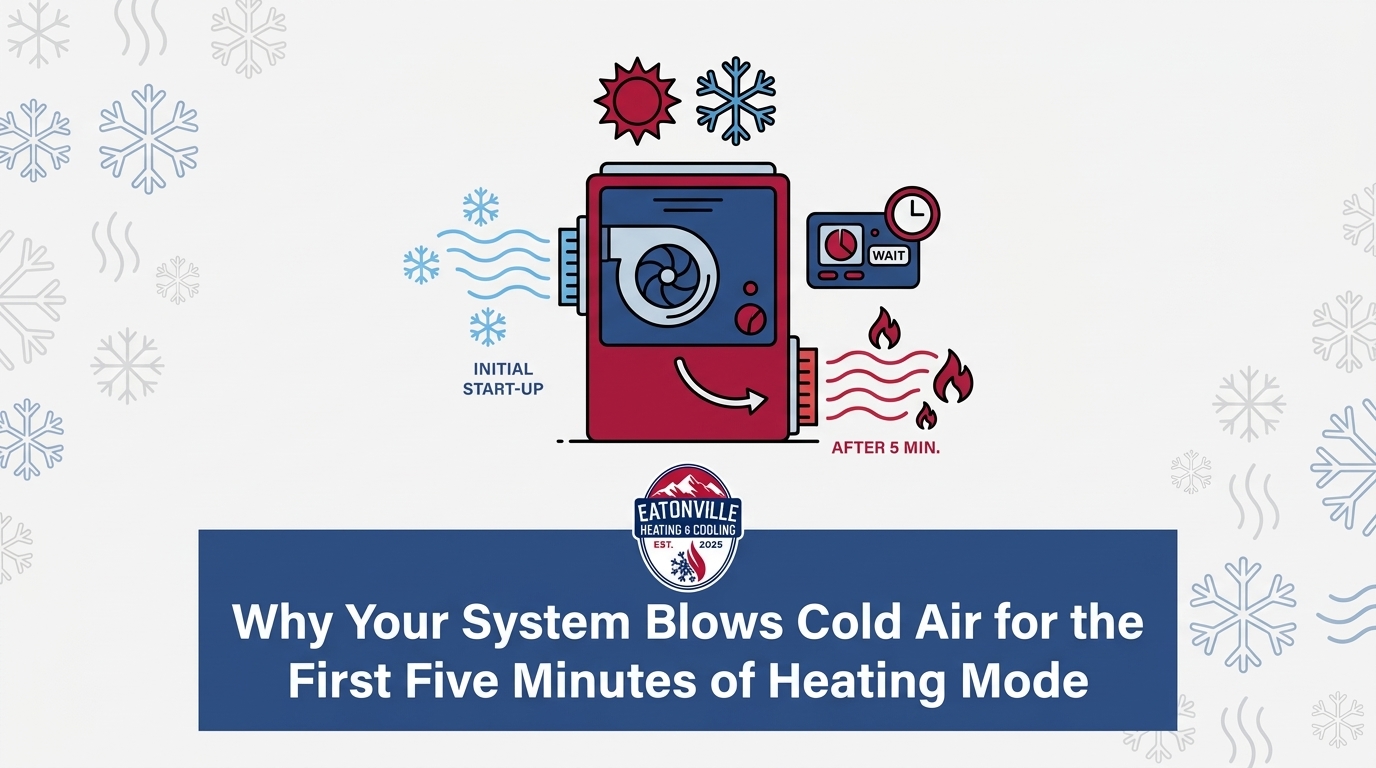
Why Your System Blows Cold Air for the First Five Minutes of Heating Mode
Turning on your furnace on a chilly fall morning only to feel a freezing breeze is stressful. Find out if that initial blast of cold air is normal or a sign of trouble.
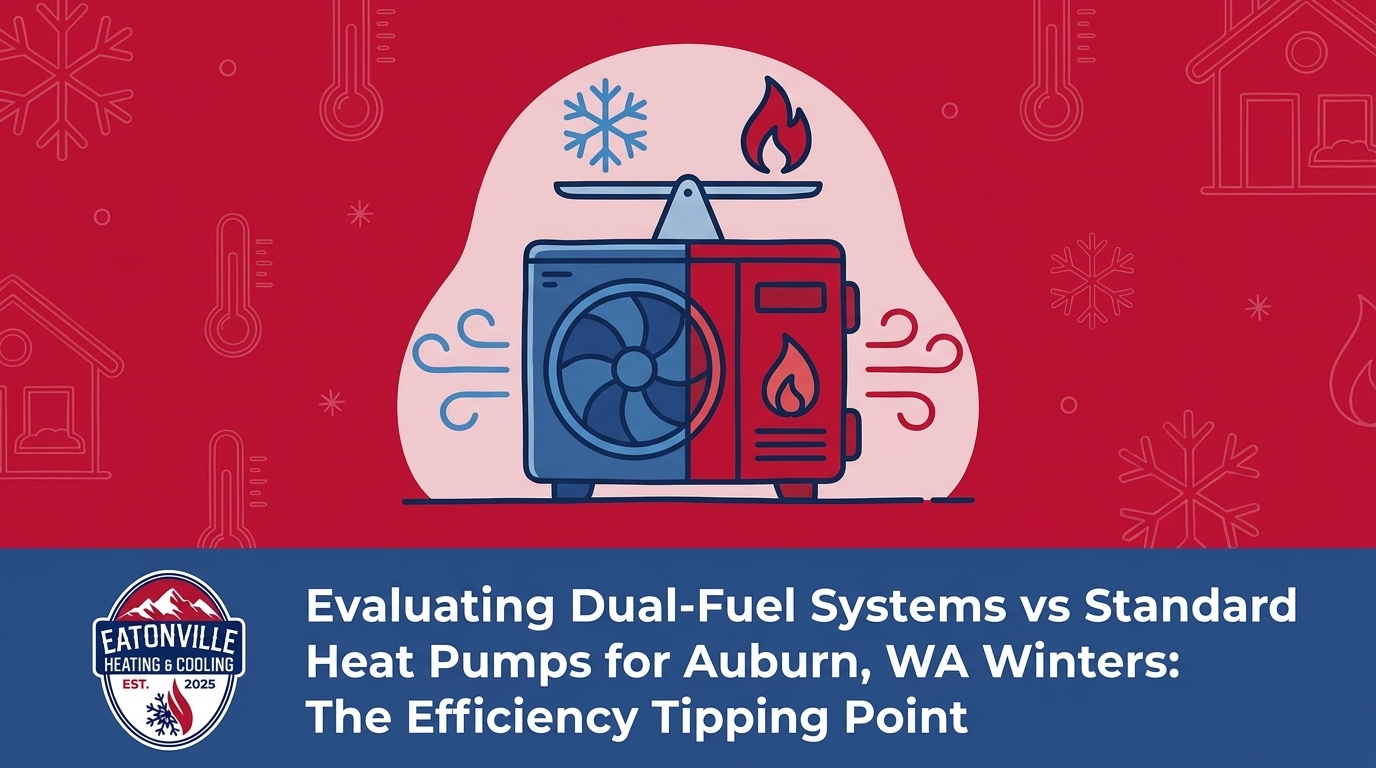
Evaluating Dual-Fuel Systems vs Standard Heat Pumps for Auburn Winters
Sub-freezing overnight temperatures force electric heat pumps to work harder. Explore the efficiency tipping point between standard electric and dual-fuel gas backups to choose the right system.
Upgrading Crawlspace Insulation in Lacey Before Heating Season Begins
Don't let your furnace work overtime just to heat the damp air beneath your floorboards. Upgrading your crawlspace insulation stops hidden heat loss and keeps your living room warm all winter long.
Planning Your Pre-Winter HVAC Tune-Up Schedule in Eatonville
The first fall freeze always triggers a scheduling panic for heating repairs. Booking your maintenance in September guarantees priority service when temperatures drop.
Planning Your Pre-Winter HVAC Tune-Up Schedule in Eatonville
The first fall freeze always triggers a scheduling panic for heating repairs. Booking your maintenance in September guarantees priority service when temperatures drop.
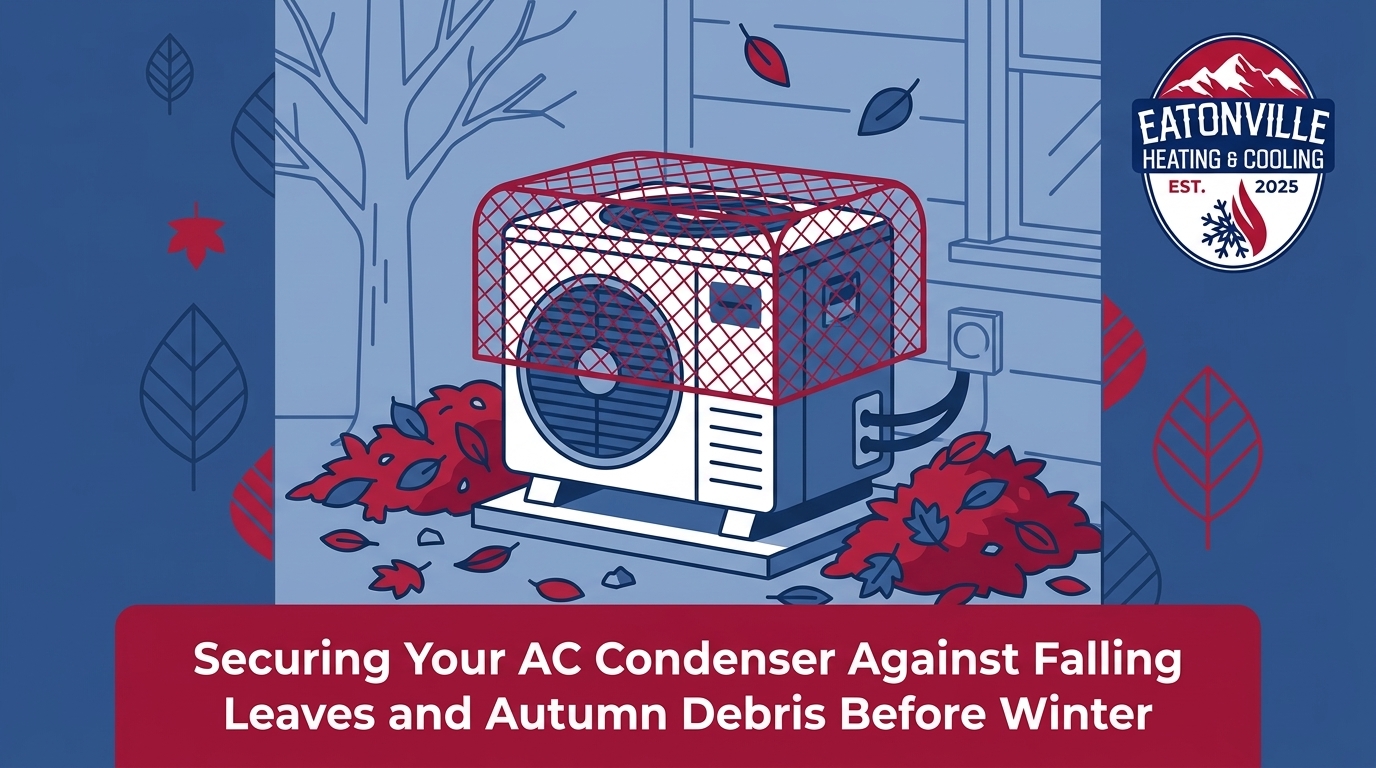
Securing Your AC Condenser Against Falling Leaves and Autumn Debris
Wet September leaves can trap moisture inside your outdoor base pan, causing rust and restricted airflow. See how clearing this debris protects your winter heating cycle.