


A Comprehensive Guide to South Puget Sound Climate HVAC Needs
Why the South Puget Sound Climate Creates Unique HVAC Demands — And What It Means for Your Home How the South Puget Sound climate creates unique HVAC demands is something most local homeowners don't fully understand
Why the South Puget Sound Climate Creates Unique HVAC Demands — And What It Means for Your Home
How the South Puget Sound climate creates unique HVAC demands is something most local homeowners don't fully understand until their system breaks down at the worst possible moment. This region sits in ASHRAE Climate Zone 4C — a marine west coast classification defined by mild, wet winters and occasional sharp summer heat spikes. That combination sounds manageable, but it quietly puts more stress on heating and cooling equipment than most people expect.
Here's a quick summary of why this climate is uniquely demanding on HVAC systems:
• High year-round humidity — Average relative humidity exceeds 75% annually, climbing above 85% in winter months, which accelerates corrosion and reduces system efficiency
• 164+ rainy days per year — Persistent moisture exposure degrades outdoor components faster than in drier climates
• Heat pumps work harder — In the common 40–50°F temperature range combined with high humidity, heat pumps can work up to 25% harder to extract heat from the air
• Low but rising cooling demand — Seattle averages just 201 Cooling Degree Days annually, but the 2021 heat dome (which pushed temperatures past 108°F) showed that mechanical cooling is no longer optional
• Moderate heating load — With approximately 4,424 Heating Degree Days annually, heating systems run for months on end, meaning efficiency and durability matter enormously
• Efficiency losses from moisture — Without proper moisture control, homeowners can see a 15–20% drop in HVAC efficiency during the wettest months
• AC adoption is rising fast — 53% of homes in King, Pierce, and Snohomish counties had air conditioning in 2021, up from 44% in 2019, driven largely by extreme heat events
The result is a climate that demands HVAC systems sized correctly, maintained consistently, and chosen with local conditions in mind — not systems designed for Phoenix or Chicago.
I'm Matthew Percy, owner of Eatonville Heating & Cooling, and after years of servicing homes across the South Puget Sound, I've seen how the South Puget Sound climate creates unique HVAC demands that catch homeowners off guard — from humidity-driven mold problems to systems that fail the first hot day of summer. This guide walks you through exactly what this climate means for your home's heating and cooling, so you can make smart, informed decisions.
How the South Puget Sound Climate Creates Unique HVAC Demands
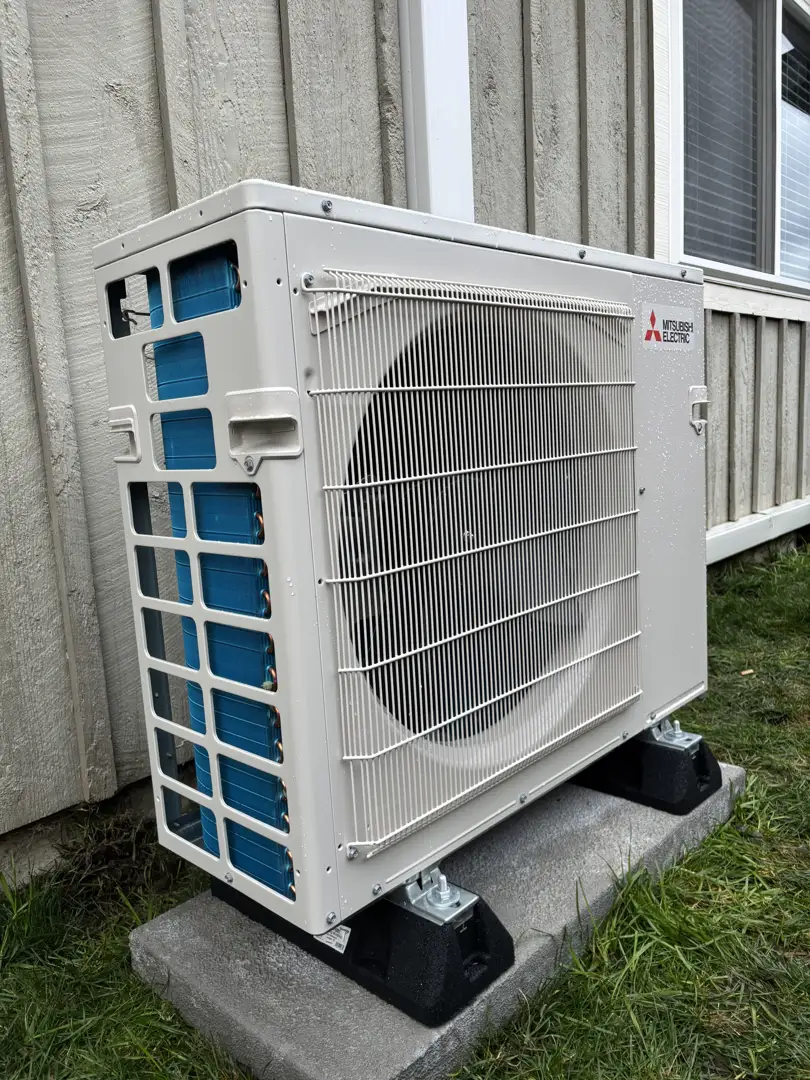
Living in the South Puget Sound area—whether you are in Tacoma, Puyallup, Gig Harbor, or down in Eatonville—means experiencing a climate that is deceptively challenging. Classified under Climate Zone 4C, our marine west coast climate is characterized by its volatility and persistent dampness rather than extreme, sub-zero winters.
Unlike the dry, predictable heat of the desert or the harsh, freezing winters of the Midwest, our weather is a game of constant adjustments. We experience rapid temperature swings, often shifting 30 degrees in a single day. A spring afternoon might start with a chilly 40°F drizzle and end with a sunny 70°F evening. This constant shifting means your HVAC system rarely gets a chance to settle into a steady rhythm. Instead, it must constantly cycle on and off, adjusting to changing indoor and outdoor environments. This thermal stress can lead to premature wear and tear on electrical connections, fan motors, and compressors.
Understanding How the South Puget Sound Climate Creates Unique HVAC Demands on Home Heating
When it comes to winter comfort, our heating load is moderate but incredibly prolonged. The South Puget Sound averages approximately 4,424 Heating Degree Days (HDD) annually. This indicates that while we rarely face the freezing arctic blasts of Eastern Washington, our systems must run continuously for nearly nine months of the year to maintain a comfortable indoor temperature.
For homeowners utilizing heat pumps, this prolonged, damp heating season poses a physical challenge. Heat pumps extract heat from the outdoor air and move it indoors. However, because our winter air is saturated with moisture, heat pumps must work up to 25% harder to extract warmth when temperatures hover between 40°F and 50°F. The high latent heat of the moisture-laden air forces the system to consume more energy to achieve the same temperature rise as it would in a drier climate.
If your heating system is struggling or your energy bills are creeping up during these long, damp months, it is critical to evaluate its performance. You can learn more about identifying these efficiency drops in our guide on How to Tell If Your Air Conditioner Is Costing You More Than It Should.
How the South Puget Sound Climate Creates Unique HVAC Demands for Summer Cooling
Historically, the Pacific Northwest was known as a region where air conditioning was a luxury, not a necessity. With an average of only 201 Cooling Degree Days (CDD) annually, summers were traditionally mild and manageable with open windows and ceiling fans. However, the climate landscape has shifted dramatically.
The historic 2021 heat dome, which brought unprecedented temperatures exceeding 108°F to the Puget Sound region, permanently changed how we view residential cooling. Today, mechanical cooling is recognized as a critical safety feature, particularly for vulnerable populations. This shift is reflected in regional statistics: in 2021, 53% of homes in King, Pierce, and Snohomish counties had air conditioning, a significant jump from 44% in 2019. This cooling demand continues to rise as summers become warmer and wildfire smoke makes opening windows hazardous.
For homes with older systems or no cooling at all, these summer spikes place immense stress on existing infrastructure. When a heat wave hits, an unmaintained or undersized system will struggle to keep up, leading to sudden breakdowns. To ensure your system is ready for the next heat spike, check out our advice on How to Prepare Your Air Conditioner for a South Sound Summer.
The Impact of High Humidity and Damp Winters on System Durability
The defining characteristic of the South Puget Sound climate is moisture. With an average annual relative humidity exceeding 75%—and winter months frequently climbing above 85%—our HVAC equipment lives in a state of constant dampness. Combined with Southwest Washington's average of 164+ rainy days per year, this environment is highly corrosive to mechanical systems.
Outdoor condenser coils and heat pump units are subjected to a relentless cycle of wetting and drying. This accelerates rust and galvanic corrosion on aluminum fins and copper tubing. Furthermore, the damp air carries organic debris, such as Douglas fir needles, moss spores, and maple seed pods, which cling to wet coils. This organic matter acts like a wet blanket, trapping moisture against the metal, restricting airflow, and drastically reducing heat transfer efficiency. Without intervention, this environmental wear can shave years off the lifespan of your equipment.
Moisture Control and Indoor Air Quality Challenges
Inside the home, high outdoor humidity directly impacts indoor air quality (IAQ). When moist air enters the home, it can create localized pockets of high humidity, particularly in crawlspaces, basements, and closets. If indoor relative humidity rises above 50%, it creates an ideal breeding ground for mold, mildew, and dust mites.
Your HVAC system is your primary defense against these IAQ challenges. Modern systems equipped with variable-speed blower motors are highly effective at moisture control. By running at lower, more consistent speeds, they allow indoor air to pass over the cold evaporator coil for longer periods, extracting significantly more moisture than standard single-stage systems. Additionally, pairing your HVAC system with a whole-house dehumidifier and high-efficiency media air filters (such as MERV 11 or MERV 13) ensures that mold spores and allergens are captured before they can circulate.
Keeping up with system care is essential to maintaining this defensive barrier. Learn more about how routine care preserves your indoor air and your wallet in our article on How Regular AC Maintenance Protects Your System and Your Budget.
Preventing System Freeze-Ups and Water Leaks
In our highly humid summers, an air conditioner or heat pump acts as a massive dehumidifier, pulling gallons of water out of your indoor air every day. This water collects in the evaporator coil's condensate pan and drains away via a small PVC line.
However, the combination of high humidity and indoor dust can quickly lead to trouble. Algae and mold thrive in the damp environment of a condensate pan, creating a gelatinous sludge that easily clogs the drain line. When the drain clogs, the water has nowhere to go but overflow, leading to serious water damage in your ceilings, walls, or floors.
Furthermore, restricted airflow from a dirty filter combined with high humidity can cause the evaporator coil to drop below freezing, turning the moisture on the coil into a solid block of ice. If you are experiencing these issues, read our troubleshooting guides on AC Leaking Water Inside the House: Causes and Fixes in a Western Washington Home and Why Your Air Conditioner Freezes Up and What You Can Do About It.
Selecting the Right HVAC System for Western Washington Homes
Choosing a new HVAC system in the South Puget Sound requires balancing comfort, energy efficiency, and strict local regulations. The Washington State Energy Code (WSEC) has set aggressive standards for home energy efficiency, heavily favoring all-electric or electric-ready systems. This makes heat pumps the gold standard for new installations and major upgrades in our region.
Ductwork RequiredAverage SEER RatingEnergy LossZoned ComfortAverage LifespanHeating CapabilityCentral Air vs. Ductless Mini-Splits
For many older homes in Tacoma, Olympia, and Puyallup, the lack of existing ductwork makes central air conditioning a challenging and disruptive installation. This is where ductless mini-split systems shine.
Because mini-splits do not rely on ductwork, they completely avoid the 20% to 30% energy loss associated with leaky, uninsulated ducts in attics or crawlspaces. Mini-splits are incredibly efficient, often reaching SEER ratings well over 25, and they offer precise zone control, allowing you to heat or cool only the rooms you are currently using. However, if your home already has a well-designed, sealed duct network in place, a high-efficiency central heat pump or split AC system can be an excellent, cost-effective choice.
To explore which path is right for your home's layout, read our deep dive on Are Mini Splits More Efficient Than Adding Ductwork to an Older PNW Home. Additionally, if you decide to go ductless, make sure you understand local permitting by reading Do You Need a Permit to Install a Mini Split in Washington State.
The Importance of Accurate Manual J Load Calculations
One of the most critical mistakes a homeowner can make is sizing an HVAC system based on a simple square-footage "rule of thumb." In our unique climate, this almost always leads to oversized systems.
To get the sizing right, we perform an ACCA Manual J load calculation. This scientific method looks at your home’s exact orientation to the sun, insulation levels, window types, and local design temperatures—which for the Seattle-Tacoma area are approximately 21–22°F for winter heating and 83°F for summer cooling.
An oversized system will satisfy the thermostat too quickly, a problem known as short-cycling. Because the system runs in short bursts, it never stays on long enough to dehumidify the air, leaving your home feeling clammy and cold even if the thermostat says 72°F. Short-cycling also dramatically increases wear on the compressor, leading to premature system failure. To understand how we calculate the perfect fit for your home, read our guide on What Size Air Conditioner Do You Really Need for Your Home.
Frequently Asked Questions About South Sound HVAC Needs
How does the damp climate affect my heat pump's efficiency?
During the winter, when outdoor temperatures drop near freezing, the moisture in our humid air freezes on the outdoor heat pump coils. To keep running efficiently, the heat pump must periodically enter a "defrost cycle." During this cycle, the system temporarily reverses to send warm refrigerant back to the outdoor unit to melt the ice.
While this is perfectly normal, a damp climate means your system will enter defrost mode more frequently, which temporarily reduces heating capacity and draws slightly more electricity. If your heat pump is struggling to keep up or defrosting constantly, it may be time to consult our guide on Repair or Replace Your AC: How to Make the Right Call.
Why is my air conditioner leaking water inside my home?
Because our summer air can be highly humid, your air conditioner extracts a massive amount of water from the air. If the condensate drain line becomes clogged with dust, dirt, or algae, that water has nowhere to go and will overflow the drain pan directly into your home.
A frozen evaporator coil can also cause water leaks when the ice melts rapidly after the system is turned off. If your system is running but not cooling, or if you notice water pooling around your indoor unit, check out our diagnostic tips in AC Not Cooling But Running: What to Check First.
How often should I clean my ductless mini-split filters?
In our damp, dust-retaining environment, mini-split filters should be checked and cleaned every two to four weeks.
Because mini-splits recirculate air within a specific zone, their compact filters quickly accumulate dust, pet dander, and moisture. If left uncleaned, this damp mixture can restrict airflow, reduce efficiency, and encourage mold growth directly on the fan wheel. For step-by-step instructions on keeping your system clean, read our local guide on How Often to Clean Mini Split Filters in a Damp South Sound Environment.
Conclusion
Understanding how the south puget sound climate creates unique hvac demands is the first step toward achieving year-round comfort and energy efficiency. From our high winter humidity to our increasingly warm summers, our local weather requires a thoughtful, professional approach to heating, cooling, and indoor air quality.
At Eatonville Heating & Cooling, we are proud to be a family-owned HVAC company rooted right here in Eatonville. We serve our neighbors across Pierce, Thurston, and South King counties—including Puyallup, Tacoma, Olympia, Lacey, Gig Harbor, and Graham—with a commitment to quality, customer satisfaction, and reliable service. We understand the specific challenges our climate throws at your home, and we are always here to help you find the perfect, energy-efficient comfort solution.
Ready to optimize your home's comfort system? Schedule professional heating and cooling services with Eatonville Heating & Cooling today.
Recent Posts

Adapting Yelm Wood-Framed Homes for Modern Central Air
Adding central air to an older wood-framed home takes careful planning. See how attic framing, ductwork and wiring shape a safe, effective upgrade.
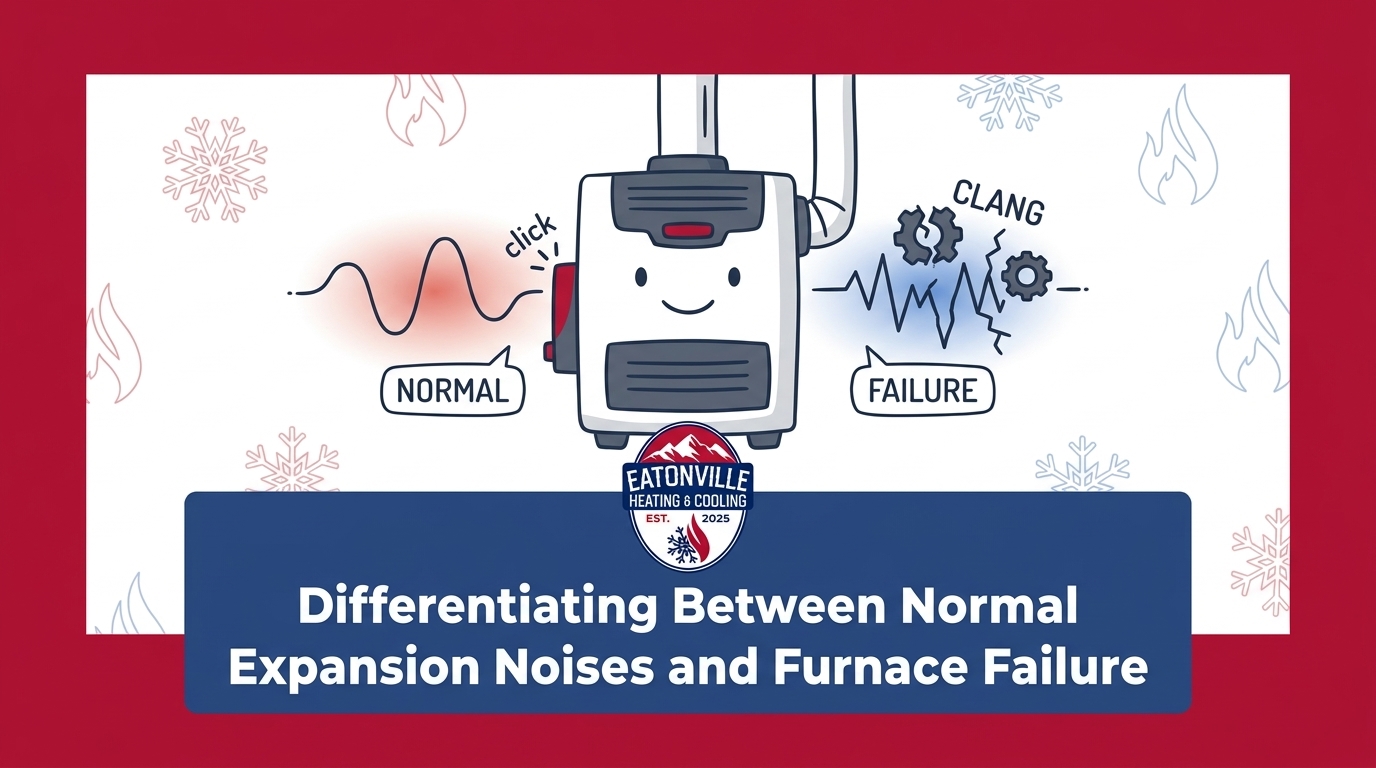
Differentiating Between Normal Expansion Noises and Furnace Failure
Hearing a loud bang on the first chilly fall morning can be terrifying. Decide with confidence whether to let the system run or shut it down for emergency service.
How Federal Way's Fall Humidity Affects Indoor Air Quality
The transition to damp autumn weather creates a tricky shoulder season for your HVAC system. Without the AC running, ambient moisture gets trapped inside. See how to manage ventilation.
Deciding Between a Modulating and Two-Stage Furnace for Lacey Climates
Upgrading your heating system before the damp winter hits? Find out whether the precise comfort of a modulating unit or the reliability of a two-stage system fits your home.

What a Comprehensive Fall Furnace Inspection Actually Entails
A professional heating tune-up requires much more than a basic filter change. We pull back the curtain on the exact electrical and combustion tests that prevent winter breakdowns.
Repurposing Old AC Pads When Upgrading to a New Heat Pump
Preparing for a fall system upgrade? Reusing a sunken 1990s concrete base can cause poor drainage and oil starvation for modern equipment—see why leveling matters.